On HiAPI, GPT Image 2 costs $0.03 per image at 1K, $0.04 at 2K and $0.06 at 4K, with the prompt and reference images included. That matches Kie at 1K, beats it at 2K and 4K, and sits below the medium-quality price on OpenAI ($0.053 for a 1024×1024 image), fal and WaveSpeed.
GPT Image 2.5 is 50% off on HiAPI until November 8, 2026 (16:00 UTC): $0.025 at 1K, $0.04 at 2K and $0.06 at 4K, the same as or less than GPT Image 2. Try GPT Image 2.5 Flare or see the GPT Image 2.5 pricing.
Here is what GPT Image 2 costs across five places you can call it:
| GPT Image 2 price | 1K | 2K | 4K |
|---|---|---|---|
| HiAPI | $0.03 | $0.04 | $0.06 |
| Kie | $0.03 | $0.05 | $0.08 |
| OpenAI API (medium) | $0.053 | n/a | n/a |
| fal (medium) | $0.053 | $0.056 | $0.101 |
| WaveSpeed (medium) | $0.06 | $0.10 | $0.18 |
Listed prices on each platform's site, September 28, 2026. OpenAI, fal and WaveSpeed price by quality level; the table shows their medium tier, and their price changes with the level you choose. 1K is 1024×1024 on OpenAI and fal. n/a: no official per-image estimate.
Two kinds of pricing sit in this table. OpenAI, fal and WaveSpeed let you pick a quality level, and the price moves with it. Kie and HiAPI charge one price per resolution, so you know the cost of a batch before you run it. What does that one price buy? We generated the same prompt at all three resolutions to find out.
What $0.03, $0.04 and $0.06 Get You
We ran one prompt through GPT Image 2 on HiAPI at 1K, 2K and 4K, all in 16:9:
A street-level photograph of a small independent bookshop front on a rainy evening.
A painted wooden sign above the window reads 'JUNIPER BOOKS'.
The window display shows rows of colorful book spines
and a small chalkboard that reads 'NEW ARRIVALS'.
Warm light glows from inside, wet cobblestones reflect the light,
a green bicycle leans against the lamp post.
Realistic photography, sharp fine detail.
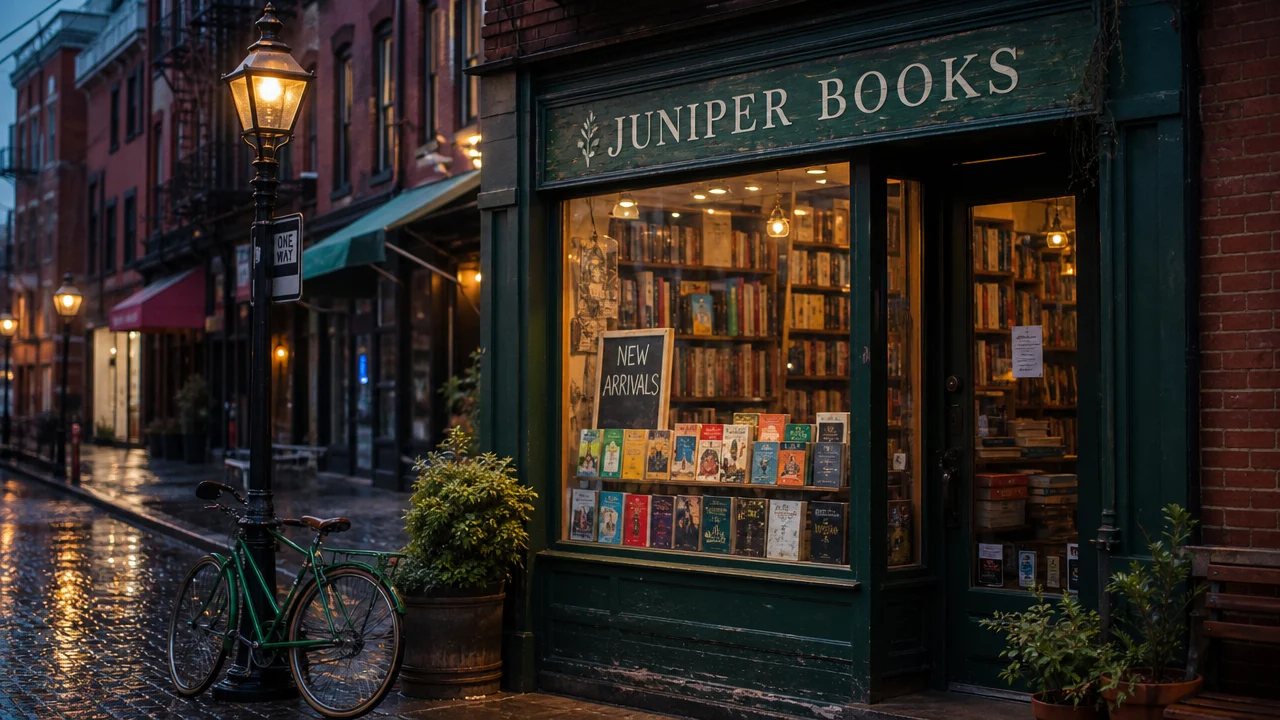
1K, $0.03. The file is 1280×720.
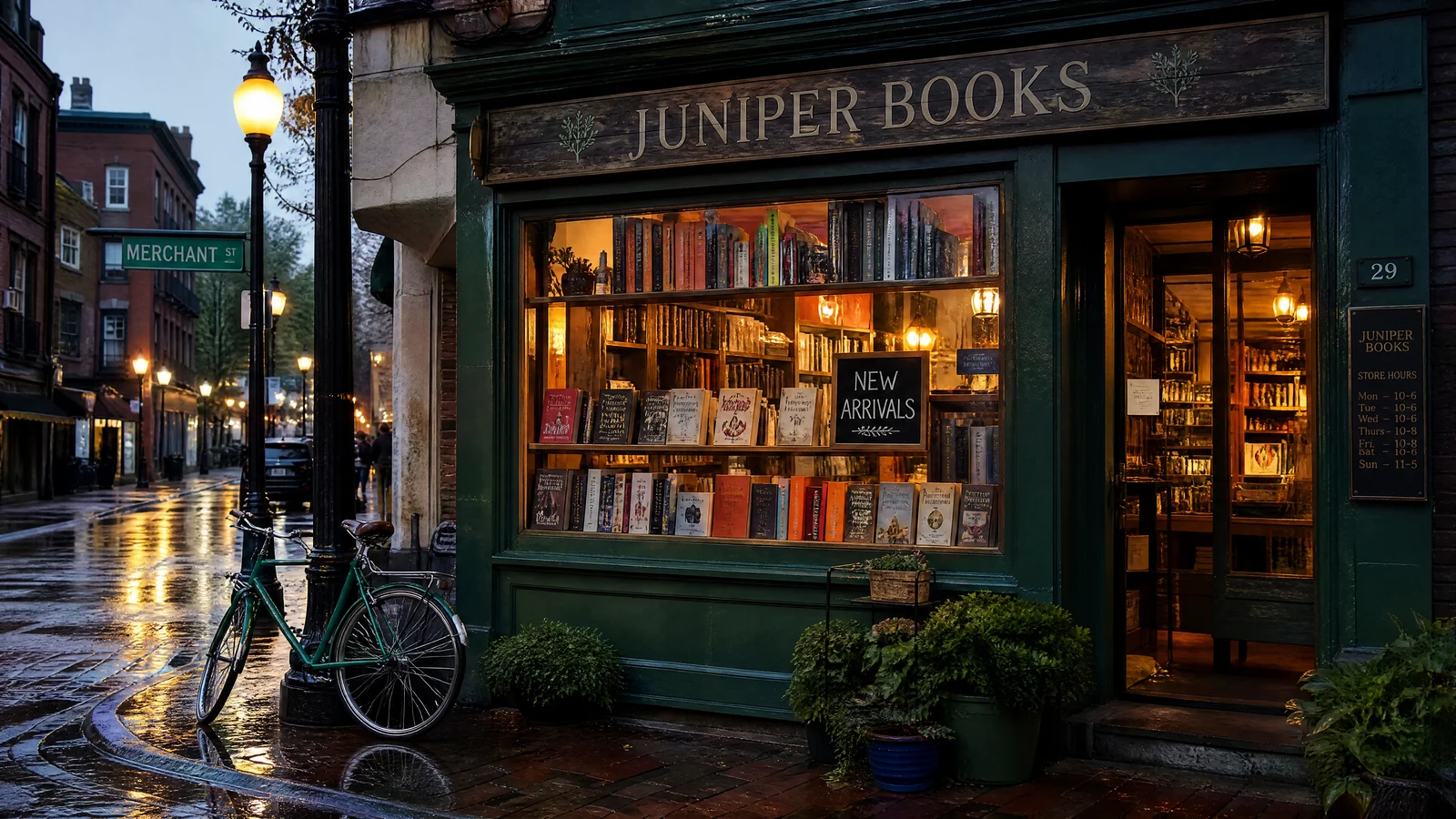
4K, $0.06. The file is 3840×2160, nine times the pixels of the 1K image, for twice the price.
Each resolution is a separate generation, so the framing changes from image to image. All three spelled both signs correctly, and they took 47, 62 and 77 seconds from 1K to 4K. At a blog or product-card size, the 1K image already looks finished. The difference shows when you zoom in. Here is the chalkboard cropped out of each frame at 20% of the image width (256, 512 and 768 source pixels):
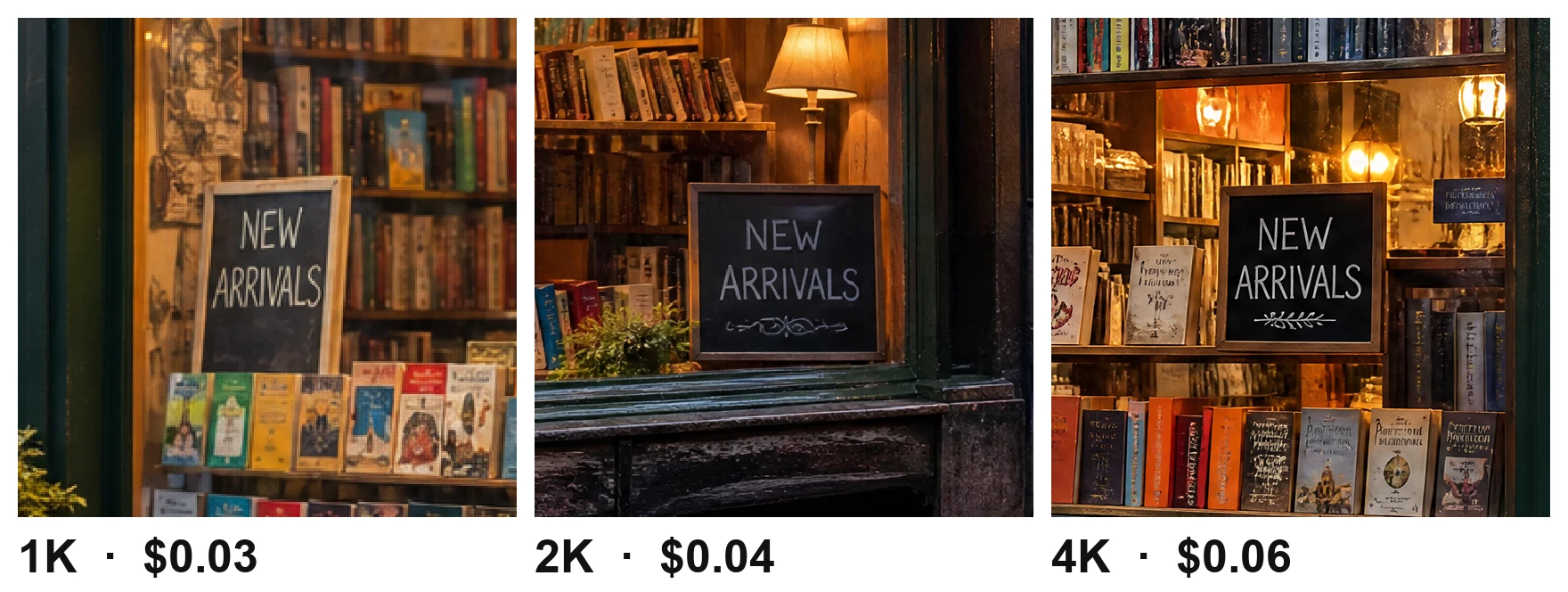
The 1K crop turns soft once it is enlarged. At 2K the chalk strokes, shelf edges and the grain of the window ledge hold up, and 4K keeps individual lamps and book spines sharp. The tiny lettering on the book covers is made up at every size; a higher resolution won't turn it into real words. Use 1K for web and social images, 2K when people will crop or zoom, and 4K for print or large hero banners.
Why OpenAI's Price Is a Range
OpenAI bills GPT Image 2 by tokens: $30 per million image output tokens, $5 per million text input tokens and $8 per million image input tokens. A medium-quality 1024×1024 image uses about 1,800 output tokens, which is where the $0.053 estimate comes from; high quality uses about 7,000, or $0.211.
Three things decide the final bill:
- Your prompt. Text input is billed on top of the output.
- Reference images. Editing or combining photos adds image input tokens for each reference.
- Size. The output size changes the token count, and OpenAI publishes no per-image estimates for 2K or 4K.
HiAPI includes the prompt and reference images in the price: a GPT Image 2 image-to-image edit costs the same $0.03, $0.04 or $0.06 per output image as text-to-image. We checked the billing log on a real edit that changed one price on a menu photo: at 2K it was charged $0.04, the same as a 2K generation.
GPT Image 2 or GPT Image 2.5?
GPT Image 2.5 lists at $0.05, $0.08 and $0.12 per image on HiAPI. Until November 8, 2026 (16:00 UTC) it is 50% off, which puts 2.5 at $0.04 for 2K, the same as GPT Image 2. Flare and Sunburst prices are broken down in GPT Image 2.5 API pricing.
To see what the newer model adds, we ran the bookshop prompt through GPT Image 2.5 Flare at 2K and put it next to GPT Image 2's 2K image:
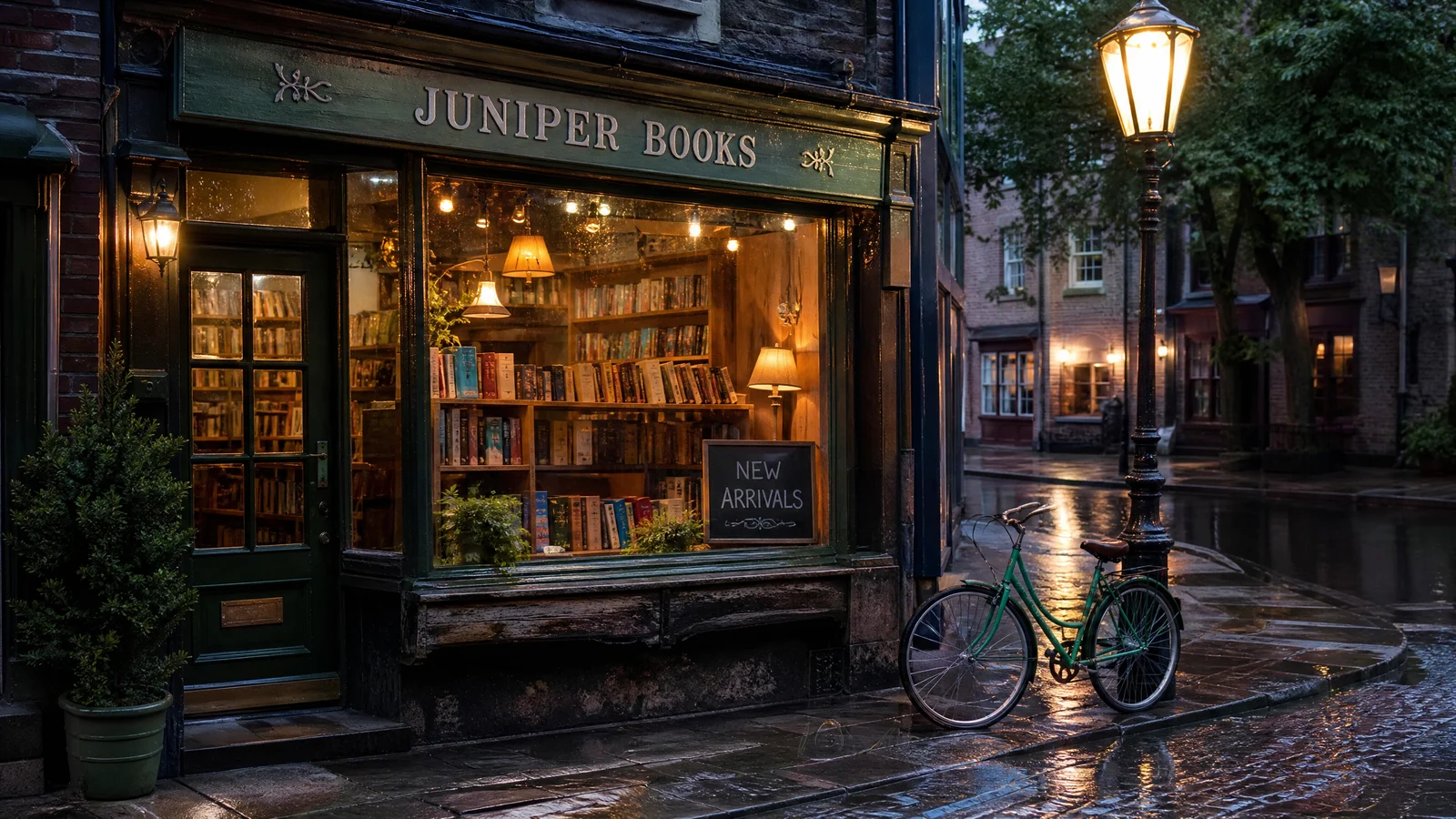
GPT Image 2, 2K, 2560×1440. Finished in 62 seconds.
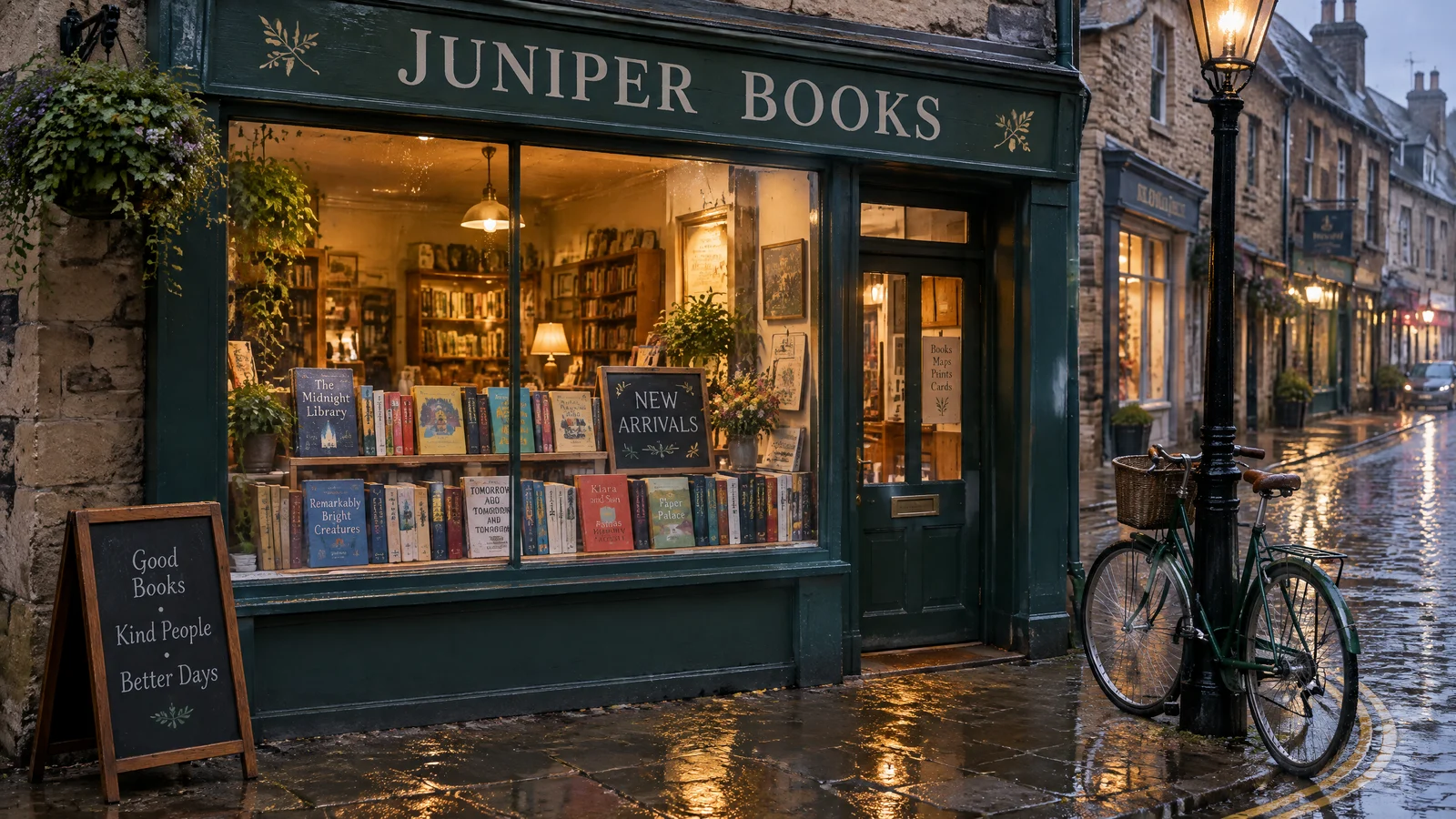
GPT Image 2.5 Flare, 2K, 2560×1440. Finished in 32 seconds.
Both models got the sign and the chalkboard right. The difference is the small text. GPT Image 2 left the book covers as decoration. Flare printed readable titles on them, and they are real bestsellers: The Midnight Library, Remarkably Bright Creatures, and a misspelled "Klara and Sun". Readable text is not always correct text, and borrowed book titles would have to come out before an ad goes live. Both models also added text we didn't ask for: a ONE WAY and a MERCHANT ST sign in GPT Image 2's 1K and 4K images, a sandwich board and a door sign in Flare's.
Choose 2.5 when an image needs legible small text, and plan to check every word. For backgrounds and general scenes, GPT Image 2 costs half as much at list price. This is one prompt, so test your own before switching a whole catalog.
What 100 to 5,000 Images Cost
| Images generated | 1K | 2K | 4K |
|---|---|---|---|
| 100 | $3 | $4 | $6 |
| 500 | $15 | $20 | $30 |
| 1,000 | $30 | $40 | $60 |
| 5,000 | $150 | $200 | $300 |
Count every image you generate, including the ones you throw away. A store with 200 products that wants three 2K candidates per product runs 600 images: $24 on HiAPI, against $30 on Kie and $33.60 on fal at medium quality. If a task fails, HiAPI refunds the amount reserved for it automatically, so you pay only for images you receive.
Which Option Fits Your Workload
- Web and social images at 1K: $0.03 on HiAPI, against $0.053 at medium quality on OpenAI and fal and $0.06 on WaveSpeed.
- Finished images at a predictable price: a flat rate means a batch of 1,000 2K images costs exactly $40 on HiAPI, with no token math.
- High-resolution output: at 4K, flat pricing ($0.06 on HiAPI, $0.08 on Kie) sits below the medium and high tiers of per-quality pricing ($0.101 and $0.401 on fal, $0.18 and $0.72 on WaveSpeed).
- Lots of edits with reference photos: flat pricing includes the reference images; token pricing adds input cost for each one.
To test a price against your own work, open GPT Image 2, paste one of your prompts, and run it at 1K. For code, the GPT Image API guide walks through creating a task and downloading the result, and every model is listed on the pricing page.
FAQ
How much does GPT Image 2 cost per image?
On HiAPI, $0.03 at 1K, $0.04 at 2K and $0.06 at 4K, with the prompt and reference images included. On OpenAI's API, a 1024×1024 image is about $0.053 at medium quality and $0.211 at high quality, plus input tokens.
Does editing an image cost more than generating one?
With token pricing, yes: every reference image adds image input tokens at $8 per million. On HiAPI, GPT Image 2 image-to-image costs the same per output image as text-to-image.
Do I pay for failed generations?
On HiAPI, no. The amount reserved when a task is created is refunded in full if the task fails.