Stable Diffusion put open image generation on the map, and it is still a perfectly good model. The friction was never the weights — it was running them in production: renting GPUs, babysitting cold starts, patching pipelines, and watching SDXL age while newer models pulled ahead on prompt adherence and in-image text. A hosted API removes that operational tax, and the question becomes less "which checkpoint?" and more "which model, behind one key, gives me the output I need per image?"
So we took four text-to-image models you can call on hiapi today — flux-2, nano-banana-2, z-image, and flux-schnell — wrote two original prompts, and ran the same prompt through each. Below are the real outputs, what held up, and which one maps to your use case.
The four alternatives at a glance
| Model | Best for | Max resolution | Price from (per image) |
|---|---|---|---|
| flux-2 | Top-tier fidelity + prompt adherence | 4 MP | $0.0375 |
| nano-banana-2 | 4K output + clean in-image text | 4K | $0.036 |
| z-image | Near-free turbo drafts | ~1K | $0.008 |
| flux-schnell | Cheapest, fastest batches | ~1K | $0.005 |
Prices are starting (lowest-tier) rates as of 2026-10 and scale with resolution. Always confirm current numbers on the live pricing page before quoting them — tiers change.
The spread is the point: at one end, flux-schnell costs half a cent an image; at the other, flux-2 and nano-banana-2 compete on detail and text you would actually ship. None of them needs a GPU on your side.
Test 1 — Prompt adherence and fine detail
A good Stable Diffusion replacement has to follow the prompt, not just make something pretty. Our first prompt packs in checkable constraints — a specific color, a material, an exact object count, and a spatial relationship:
A single matte sage-green ceramic pour-over coffee dripper on a light oak wood table,
exactly three whole roasted coffee beans lined up in a row in front of it, a folded
white paper filter tucked inside the dripper, soft morning light from the left,
shallow depth of field, photorealistic, clean minimal background
flux-2 — the most convincing of the four. Correct sage-green dripper, filter tucked inside, and exactly three beans in a row, with crisp, believable material textures and natural left-side light.

nano-banana-2 — just as strong on adherence: three beans, filter inside, soft window light, with a slightly warmer, editorial feel.
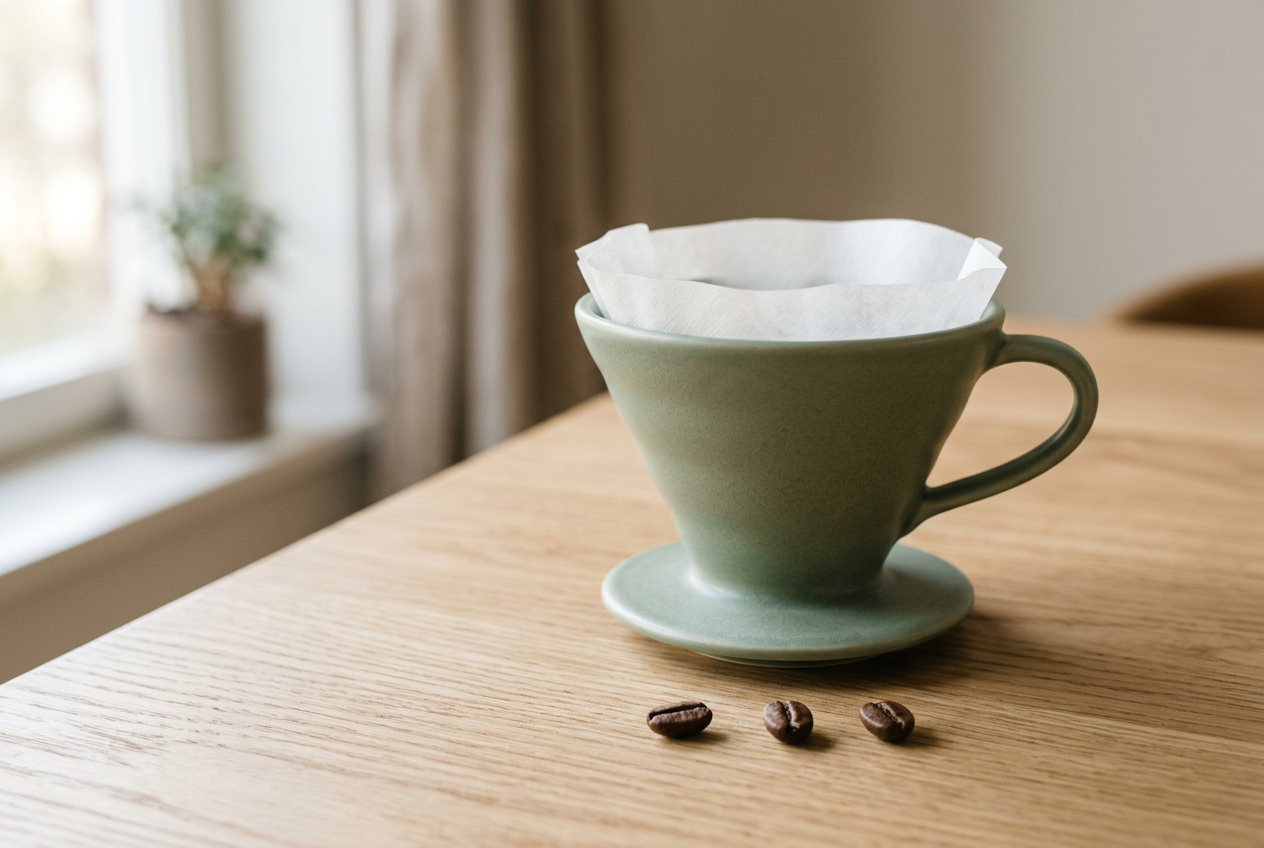
z-image — impressive for a model that costs $0.008. It gets the color, the filter, and the three-bean count right; the dripper shape is a touch more stylized, but this is a very usable draft.

flux-schnell — where the budget shows. Still photorealistic and instant, but the dripper reads as an abstract vessel and it rendered five beans instead of three. Fine for mood and thumbnails; weaker when the brief has to be exact.
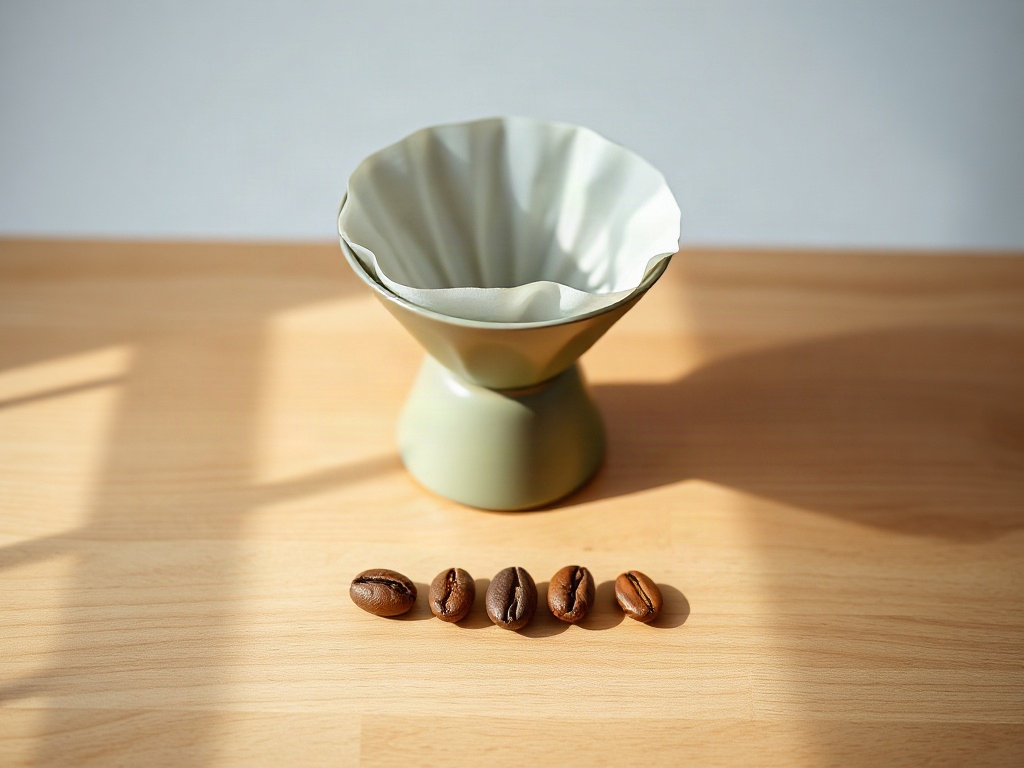
Read: flux-2 and nano-banana-2 lead on literal adherence and detail; z-image punches far above its price; flux-schnell trades accuracy for speed and cost.
Test 2 — Text rendering
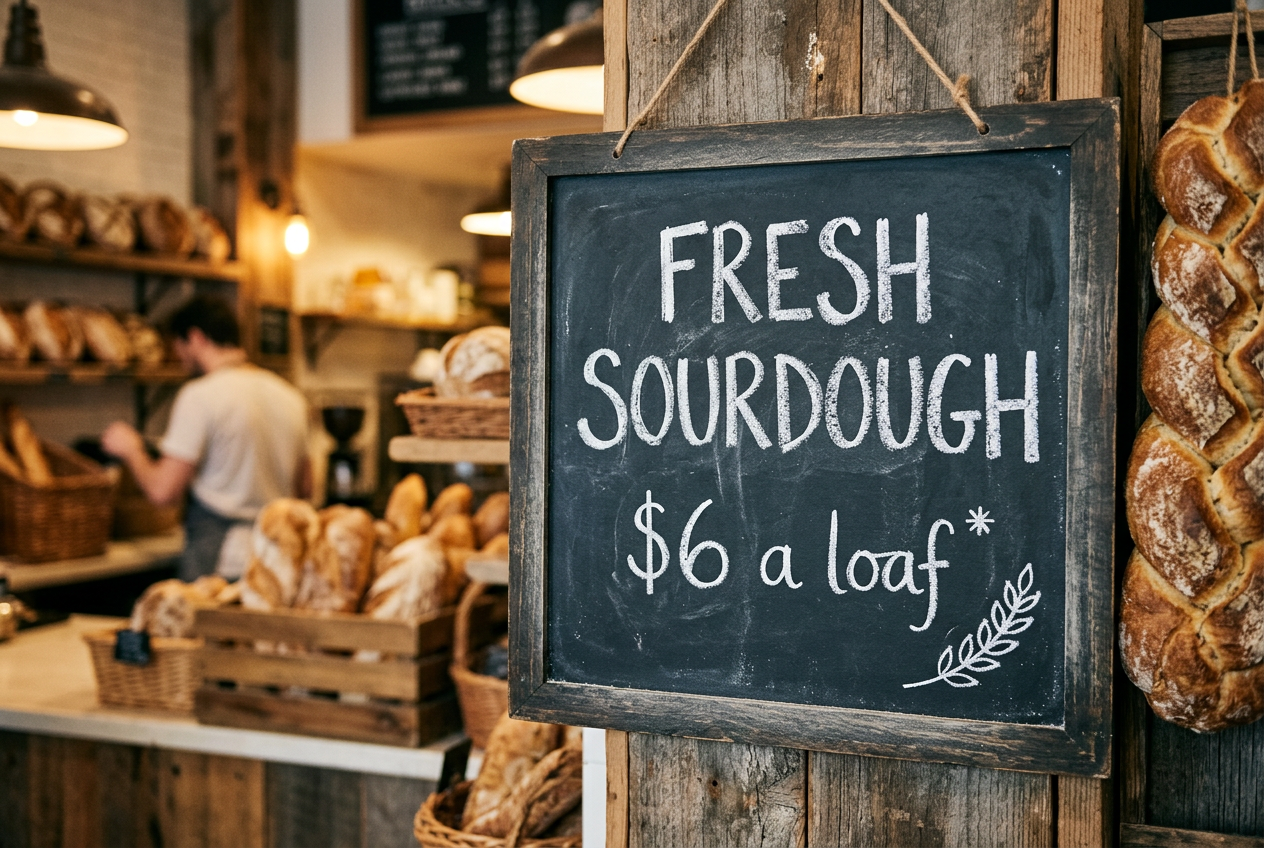
In-image text is exactly where older open checkpoints struggle, so it is a fair stress test. The prompt asks for two specific lines of chalk lettering:
A dark slate chalkboard bakery sign, hand-lettered in white chalk. Top line reads
"FRESH SOURDOUGH", bottom line reads "$6 a loaf". A small wheat-sprig doodle in the
bottom-right corner, warm cafe lighting, photorealistic
flux-2 — clean sweep. "FRESH SOURDOUGH" and "$6 a loaf" both render correctly, with the wheat sprig in the right corner.
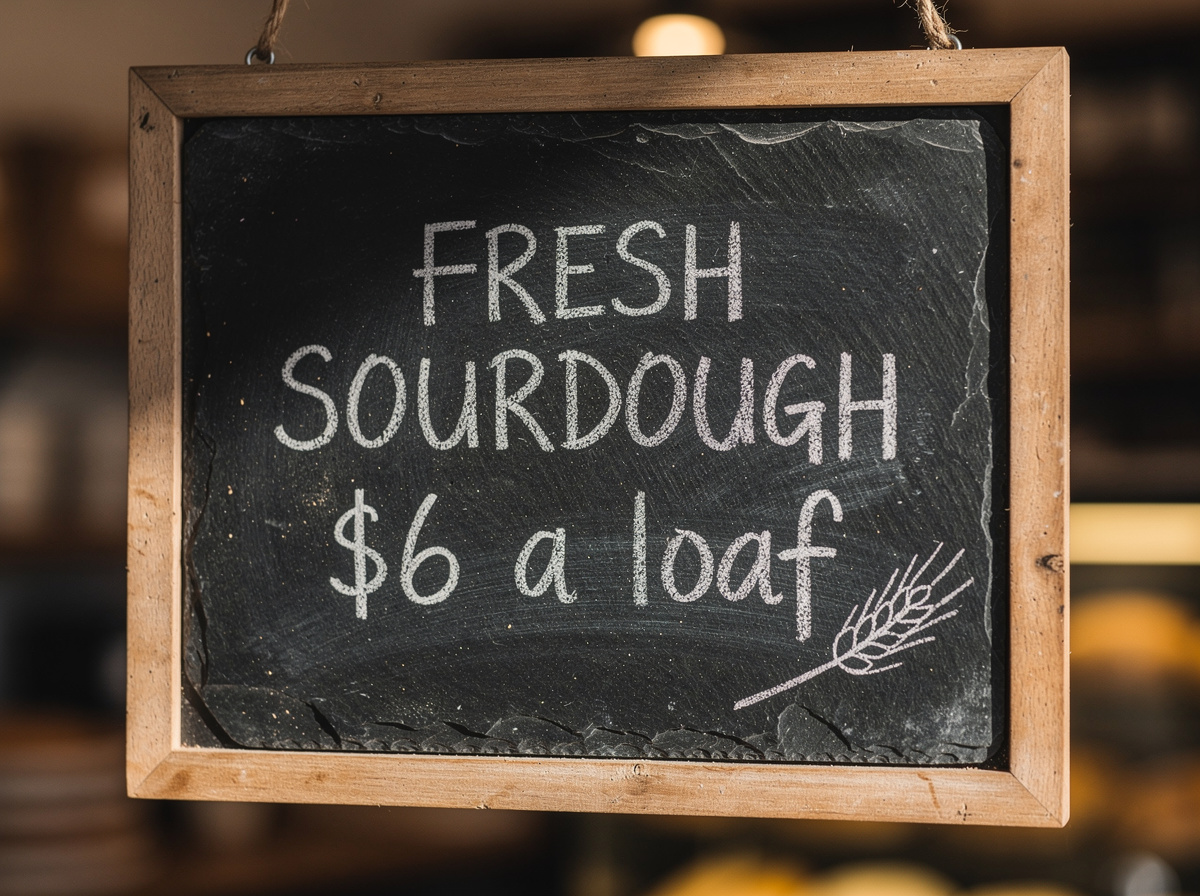
nano-banana-2 — both lines correct and nicely composed; the only blemish is a tiny stray mark after "loaf". Essentially production-ready.
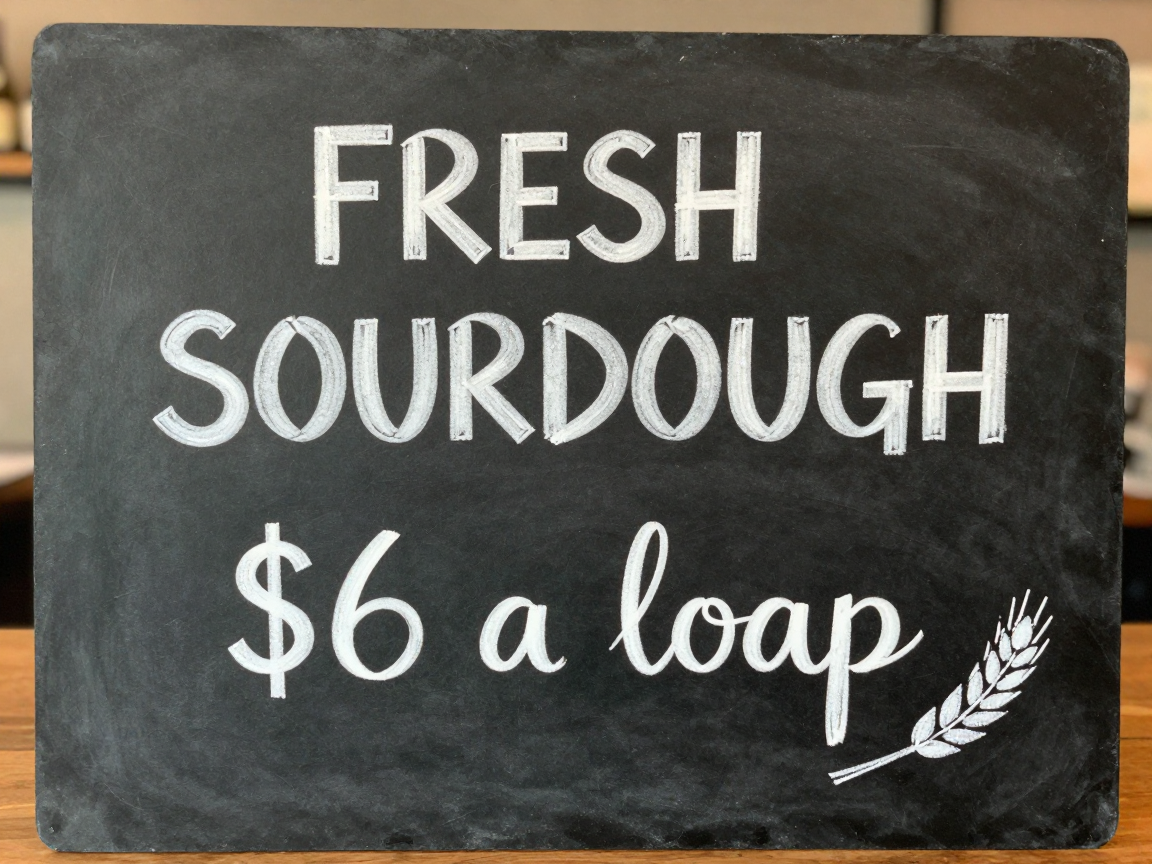
z-image — the headline "FRESH SOURDOUGH" is perfect; the second line slips to "$6 a loap". One wrong letter on a turbo model is genuinely good, but worth a human glance before you ship.
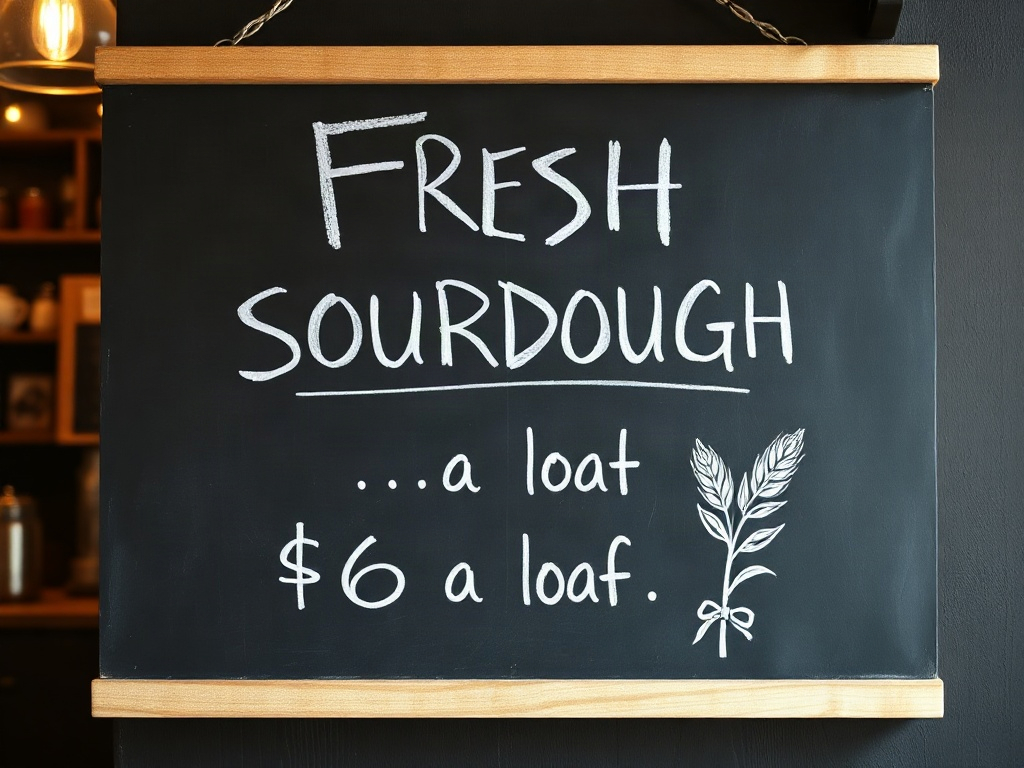
flux-schnell — the weakest here: the bottom text duplicated and garbled into a stray "a loat" line plus "$6 a loaf.". This is the classic fast-model text failure mode.
Read: for signage, posters, or any image with words, flux-2 and nano-banana-2 are the dependable choices; z-image is usable with a proofread; flux-schnell is best kept to text-free work. (Whichever model you pick, proof the characters before publishing — no image model is 100%.)
Which one actually replaces Stable Diffusion for you?
- You ran SDXL for cheap, high-volume drafts. Start with flux-schnell ($0.005) for the lowest cost and fastest turnaround, or z-image ($0.008) when you want noticeably better adherence for almost the same money.
- You need production hero images with precise prompts. flux-2 is the closest to a no-compromise upgrade on fidelity and prompt following.
- Your images contain text, or you need up to 4K. nano-banana-2 combines reliable text rendering with a 4K ceiling and commercial-use licensing.
- You mix all of the above. That is the real advantage of a unified API: switch models per job by changing one string, not your infrastructure.
Migration notes: there is no "SD endpoint" to port
If you are coming from a self-hosted Stable Diffusion server or a serverless SDXL endpoint, the mental model changes slightly. On hiapi, image generation runs through a single asynchronous task API: you POST /v1/tasks with a model and an input object, poll for completion, then download the result. There is no base URL to swap per model and no GPU to provision — the same key and the same request shape cover every model above.
A minimal request looks like this:
curl -X POST https://api.hiapi.ai/v1/tasks \
  -H "Authorization: Bearer $HIAPI_KEY" \
  -H "Content-Type: application/json" \
  -d '{
        "model": "flux-2/text-to-image",
        "input": { "prompt": "a sage-green ceramic pour-over dripper, photorealistic",
                   "aspect_ratio": "4:3", "resolution": "1 MP" }
      }'
Input fields vary by model (flux-2 takes a megapixel resolution; the turbo models take only aspect_ratio), so check each model page for its exact schema. The step-by-step version lives in our flux-2 text-to-image API guide, and if you are weighing hiapi against other hosted platforms, the fal.ai API alternative write-up covers the same task-contract migration in more depth.
FAQ
Is there a free Stable Diffusion API? Truly free, production-grade endpoints are rare and usually rate-limited or temporary. The practical "almost free" path is a pay-as-you-go model like flux-schnell at $0.005 per image or z-image at $0.008 — cents, not a subscription.
What is the closest model to SDXL? For the fast, affordable, general-purpose feel of an SDXL endpoint, flux-schnell and z-image are the spiritual successors. For a clear quality jump while staying on image generation, flux-2 is the upgrade.
Can I still do image-to-image / editing? Yes. flux-2 and nano-banana-2 both offer image-to-image routes alongside text-to-image; browse the full set on the models page. This article focused on text-to-image to keep the comparison apples-to-apples.
How much cheaper is this than running my own GPU? You stop paying for idle GPU time, scaling, and ops entirely and pay only per generated image. For spiky or low-to-medium volume, per-image pricing from half a cent almost always beats a reserved GPU; at very high sustained volume, run your own math against the live per-image rates.
Do these models allow commercial use? nano-banana-2 is tagged for commercial use; licensing can differ per model, so confirm on each model's page before shipping client work.
Ready to switch?
Pick the model that matches the job — flux-2 for fidelity, nano-banana-2 for 4K and text, z-image or flux-schnell for cheap, fast drafts — grab one API key, and send your first POST /v1/tasks. Compare the full resolution tiers on the pricing page and start with whichever model fits your next image.