On October 27, 2026, Google DeepMind unveiled Genie 4, its newest world model. In one sentence: it generates a playable 3D world around you in real time, pixel by pixel, steered by your keyboard and by plain-language prompts, and it keeps that world coherent for roughly two minutes. The catch, and it is a big one: Genie 4 is a research preview for invited testers only. There is no public API and no pricing. If you are a regular developer, the only thing you can do today is join the waitlist.
What Genie 4 actually does
- Real-time interactive worlds. Walk forward with the keyboard and the world generates around you. Type "turn the weather into a storm" and the world changes. Both input modes work together.
- First native audio in the series. Ambient sound, music, and dialogue from interactive characters are all generated live. Earlier Genies rendered silent worlds.
- Edit while it runs. Change the weather, switch the camera angle, or drop new people and objects into the world mid-session, and the scene stays coherent.
- More believable physics. In official demos, aerodynamics, collisions, and character movement all look noticeably more natural than Genie 3.
Reported frame rates land around 24 to 30 FPS. Google has not published official specs for frame rate or resolution, so treat those numbers as unofficial.
The hardest number: ~2 minutes of consistency
The core problem for any world model is memory: does the world remember what it generated two minutes ago? Genie 4 holds scene consistency for up to about two minutes, double Genie 3's roughly one minute. That is the single most concrete, comparable number in this launch.
Some context for how fast this line has moved. Genie 1 (early 2024) rendered 2D scenes at about 1 fps. Genie 2 (December 2024) produced 3D worlds that held together for only 10 to 20 seconds at 360p. Genie 3 (August 2025) was the first real-time interactive version, at 720p/24fps with about a minute of consistency. Genie 4 doubles that consistency, adds audio, and improves physics. Less than two years from slideshow to playable.
How it works: two Geminis in the loop
Google disclosed two key roles in the stack:
- Gemini Omni anchors the look and behavior of the world, keeping the style unified and character actions consistent.
- Gemini 3.8 Flash acts as an in-loop directing agent: it observes frames, plans the next step, and re-plans on the fly, like a director running the world from behind the scenes.
All generated content carries Google's SynthID watermark.
Who can actually use it
This is the section to read carefully. Genie 4 is a research preview, and the first wave of access is limited to invited trusted testers. Per Google's stated roadmap:
- "In the coming weeks," it opens to Google AI Ultra subscribers through Project Genie.
- Early partners on the Gemini API and Google AI Studio also get access.
- A public waitlist exists.
- Pricing and any date for general developer access: both unpublished.
So no, there is no API to integrate, no price to budget for, and no way for a regular developer to put this into a product today.
Known limitations
Official materials and first-hand coverage agree on several weak spots:
- Object permanence drifts over time. Set something down and it may morph or vanish a minute later.
- In-world text is largely unreadable. Signs and UI surfaces come out garbled.
- Physics and audio precision are imperfect.
Observers add a broader caveat: there are no public benchmarks, so every impression so far comes from official demos or invited testers, with no independent verification yet.
What it means for builders
The near-term consensus among observers is that the biggest value of a world model like this is not games. It is a training ground for agents and robots. In DeepMind's own demo, Apptronik's humanoid robot Apollo plays checkers inside a live Genie 4 simulation, with Gemini 4 Argon making the decisions. The cost of a robot falling over in simulation versus in a real warehouse differs by orders of magnitude, and world models are what close that gap.
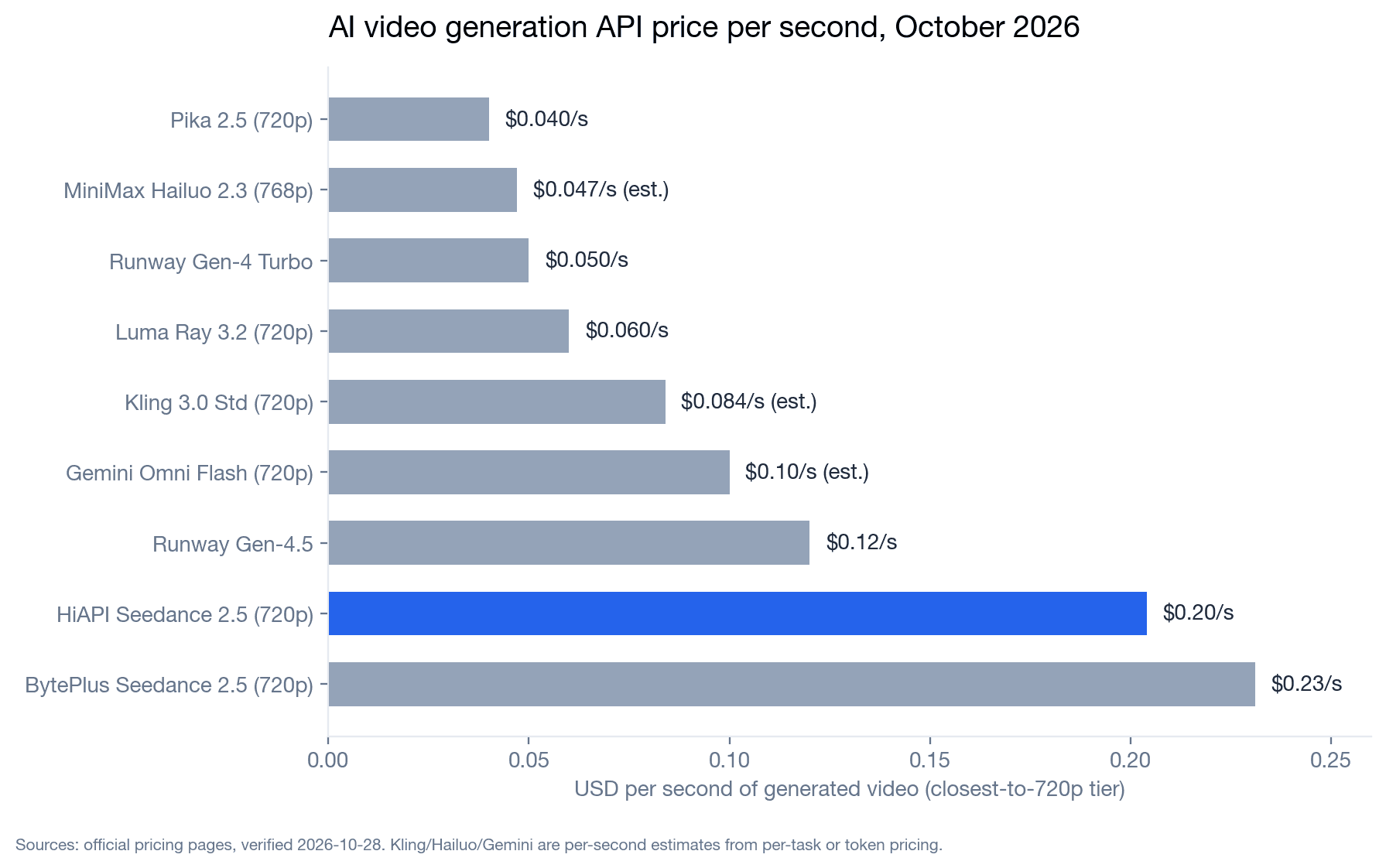
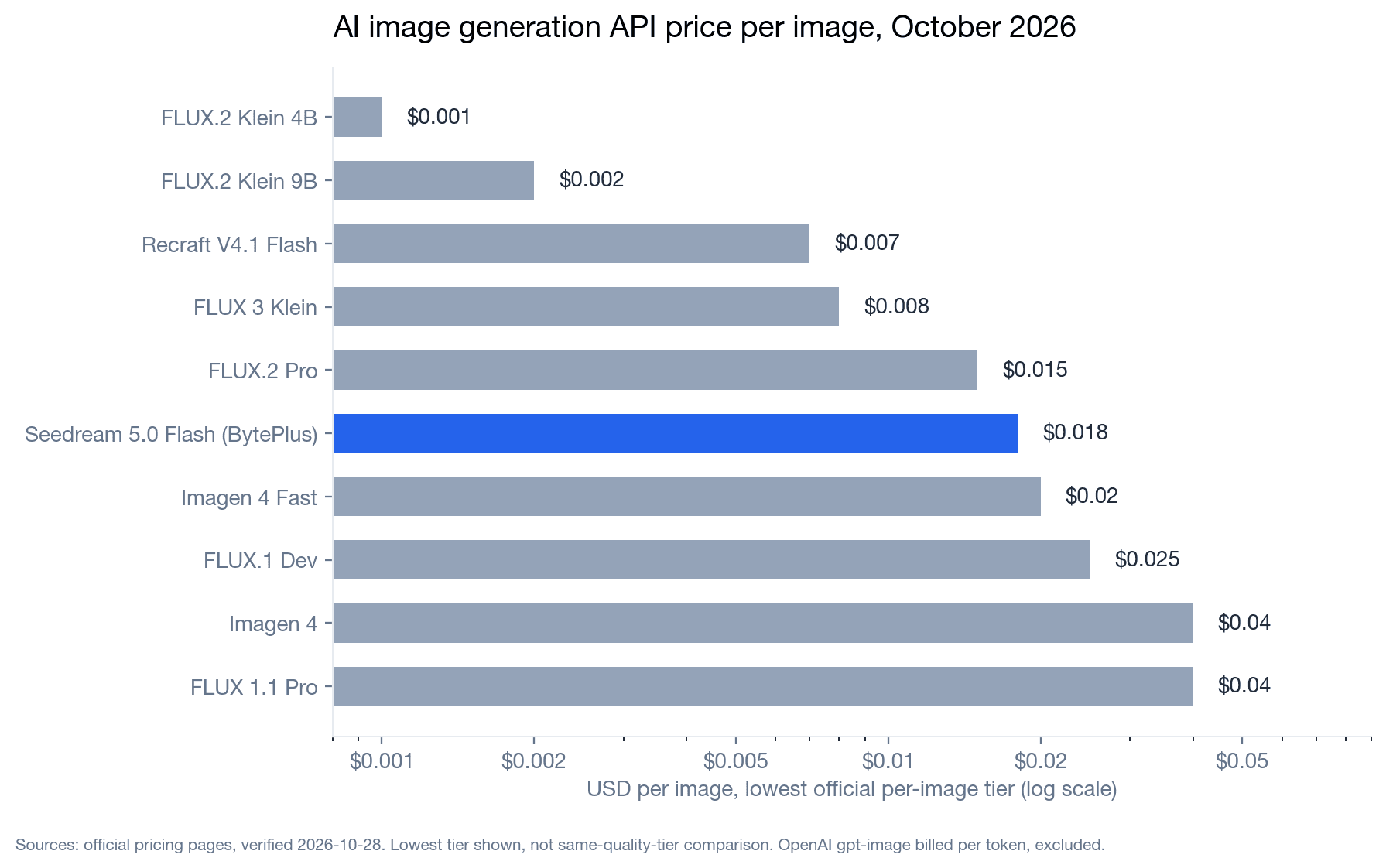
For content creators, generative 3D is still not production-ready: two minutes of consistency will not carry a full level, and unreadable in-world text blocks most commercial use cases. What is ready today is video and image generation. Models like Seedance 2.0 are past the demo stage and already in real workflows.
We are tracking a few more launches from the same week as well: the GPT-6.1 Terra price cut, switching models inside Claude Code and Codex, and Claude Opus 5.5 vs GPT-6.1 Sol.
FAQ
Is there a Genie 4 API?
No. Genie 4 is a research preview open to invited testers and early partners. API access is on the roadmap, but not available. Pricing and a date for general developer access have not been published. The only action available to regular developers is joining the public waitlist.
What is the biggest difference between Genie 4 and Genie 3?
Three things. Scene consistency doubled from roughly one minute to about two minutes. Genie 4 is the first in the series with native audio, generating ambient sound, music, and character dialogue in real time. And physics and character movement are noticeably more natural, with mid-session language control over weather, camera, and objects.
What can Genie 4 actually be used for?
The most concrete near-term use is as a training environment for AI agents and robots, where they can trial-and-error at near-zero cost. DeepMind demonstrated a humanoid robot playing checkers inside a live simulation. Playable worlds for everyday users are the stated long-term direction, not the current product.
Does Genie 4 have competitors?
Yes. The world model race includes projects from Runway, World Labs, Meta, Tencent Hunyuan, and NVIDIA, each with a different approach and timeline. Google's edge is the tight integration between the Gemini model family and its own compute.
Is Genie 4 output watermarked?
Yes. All generated content carries Google's SynthID watermark.
Key takeaways
Genie 4 is a real step forward for world models: double the scene consistency, the series' first native audio, and a 3D world you can steer with language, all in under two years of iteration. But it is a research preview with no public API, no pricing, and no date for general access. If you build agents or robots, it points at a much cheaper way to train them. If you make content, the models you can ship with today are the already-open video generators like Seedance 2.0. Worth watching closely. No reason to panic. Go join the waitlist.