TL;DR
- 5 ready-to-use scenes: brand mascot ads, storybook series, photoreal person in new scenes, illustrated character scene sets, and masked character insertion — all real
ideogram-v3-characteroutputs. - TURBO is $0.09 per image, so about 111 images for $10 — enough for a dozen rounds per scene (full tiers on the pricing page).
- Every link below pre-fills the prompt on the model page; you just swap in your own character reference.
Scene 1: Brand mascot on a billboard
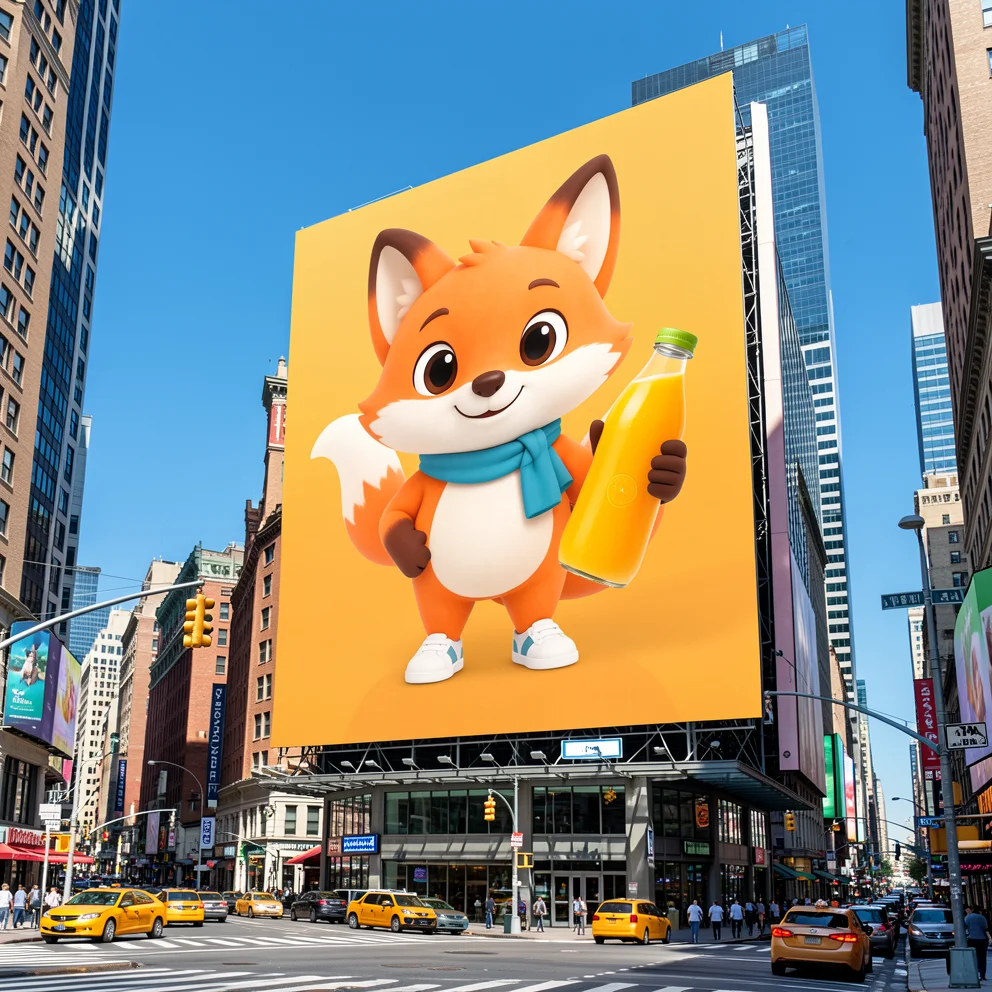
The fox mascot on a big city billboard advertising a juice brand, holding an orange juice bottle, blue sky, street-level perspective, no readable text
ideogram-v3-character, TURBO, 1:1, 992×992, $0.09. Reference: the fox mascot.
How to write it: put "brand + endorsement action + product" into the scene, and block garbled lettering with no readable text — add real copy in post for ad materials.
Scene 2: A storybook series (one character, four pages)
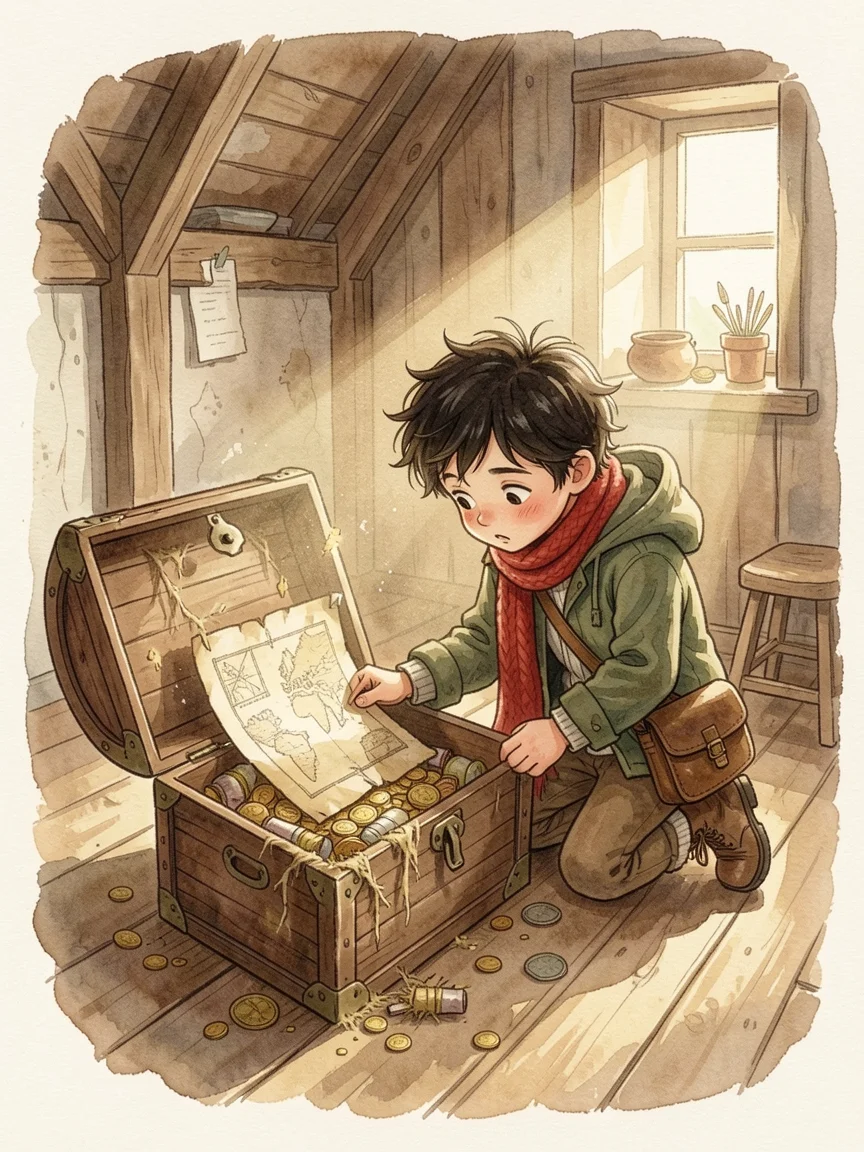
The same boy kneeling in an attic, discovering an old treasure map inside a dusty wooden chest, beam of light from a small window, watercolor storybook illustration, no text
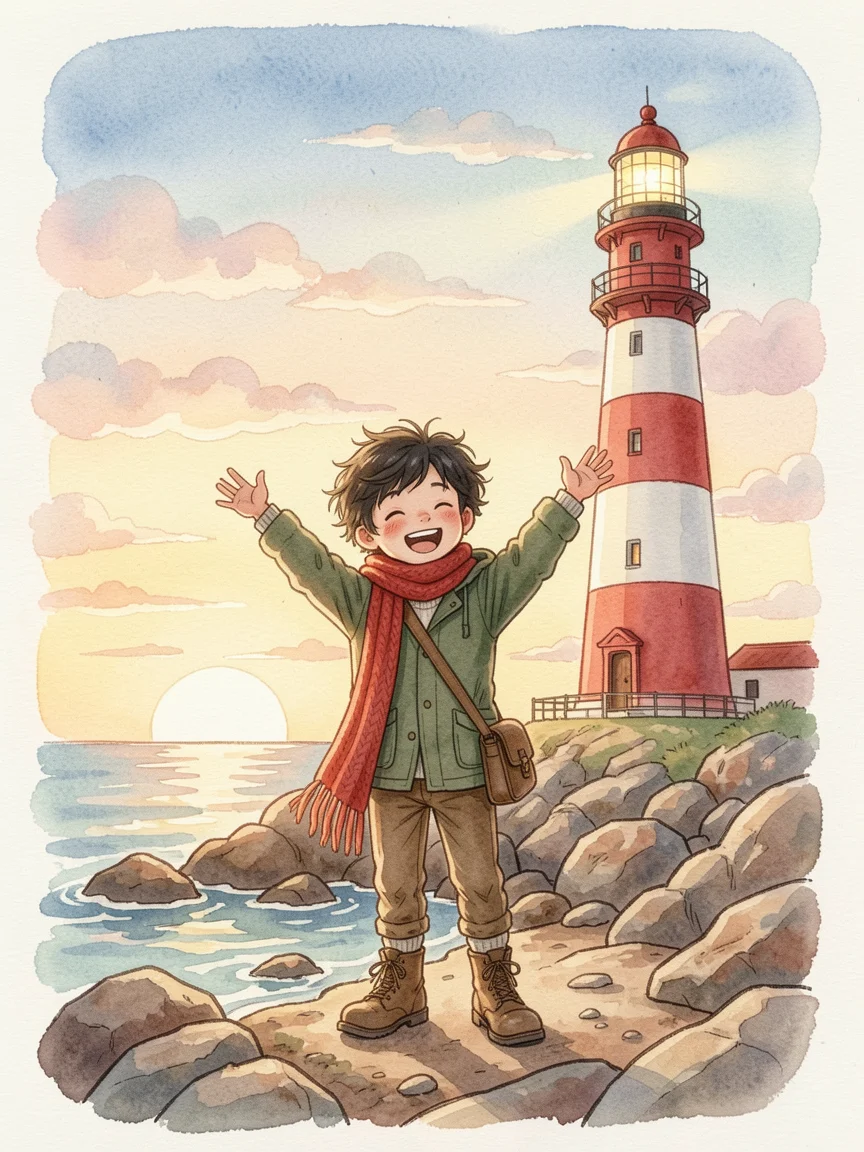
The same boy standing on a rocky shore at dawn, arms raised in joy in front of a tall red-and-white lighthouse, watercolor storybook illustration, no text
ideogram-v3-character, TURBO · FICTION, 3:4, 864×1152, $0.09. Reference: the storybook boy.
How to write it: start every page with "The same boy" — the fixed name plus changing scenes is what keeps a series consistent. Repeat the style phrase (watercolor storybook illustration) on every page.
Scene 3: A photographed person in new scenes
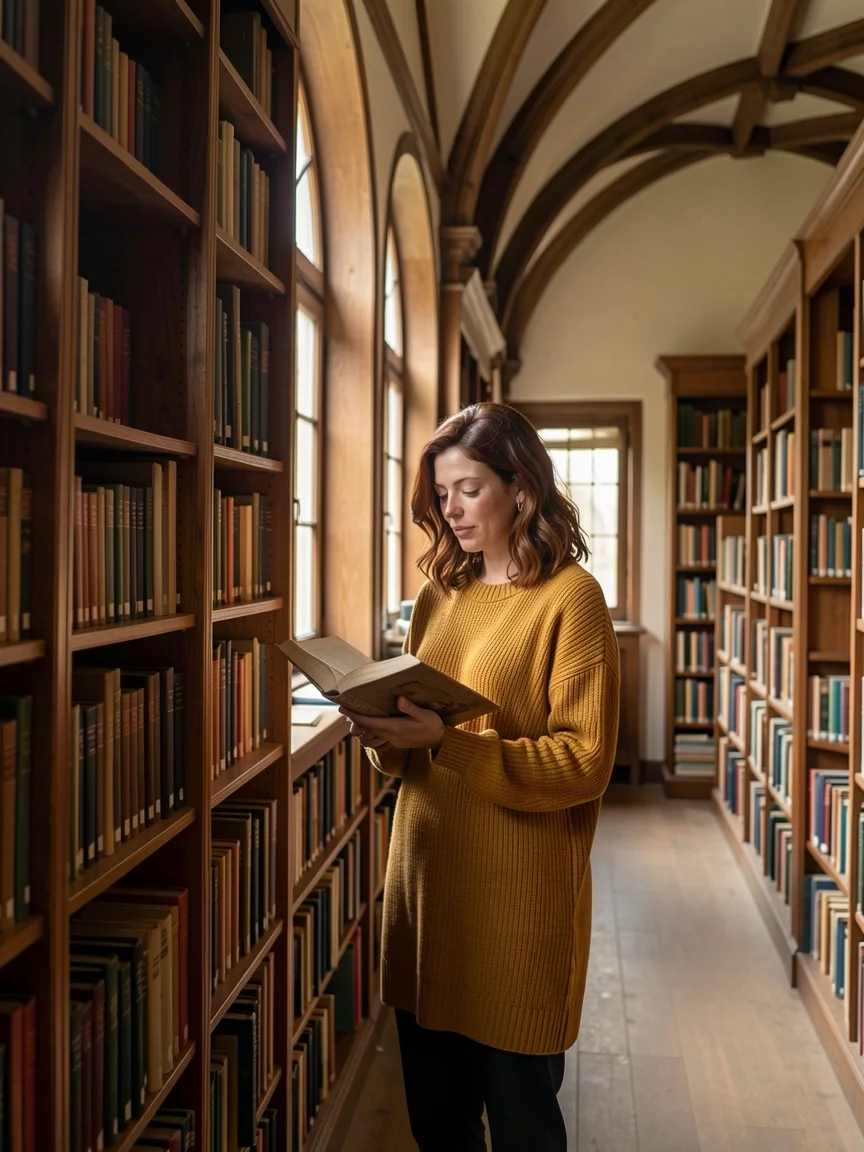
The same woman browsing tall wooden bookshelves in a quiet old library, holding an open book, soft afternoon light through arched windows, photorealistic, no text
ideogram-v3-character, TURBO · REALISTIC, 3:4, 864×1152, $0.09. Reference: a photo of the woman.
How to write it: set style to REALISTIC and describe light (soft afternoon light) instead of stacking adjectives. One reference yields a whole set — library, ceramics studio, mountain trail.
Scene 4: An illustrated character, scene by scene
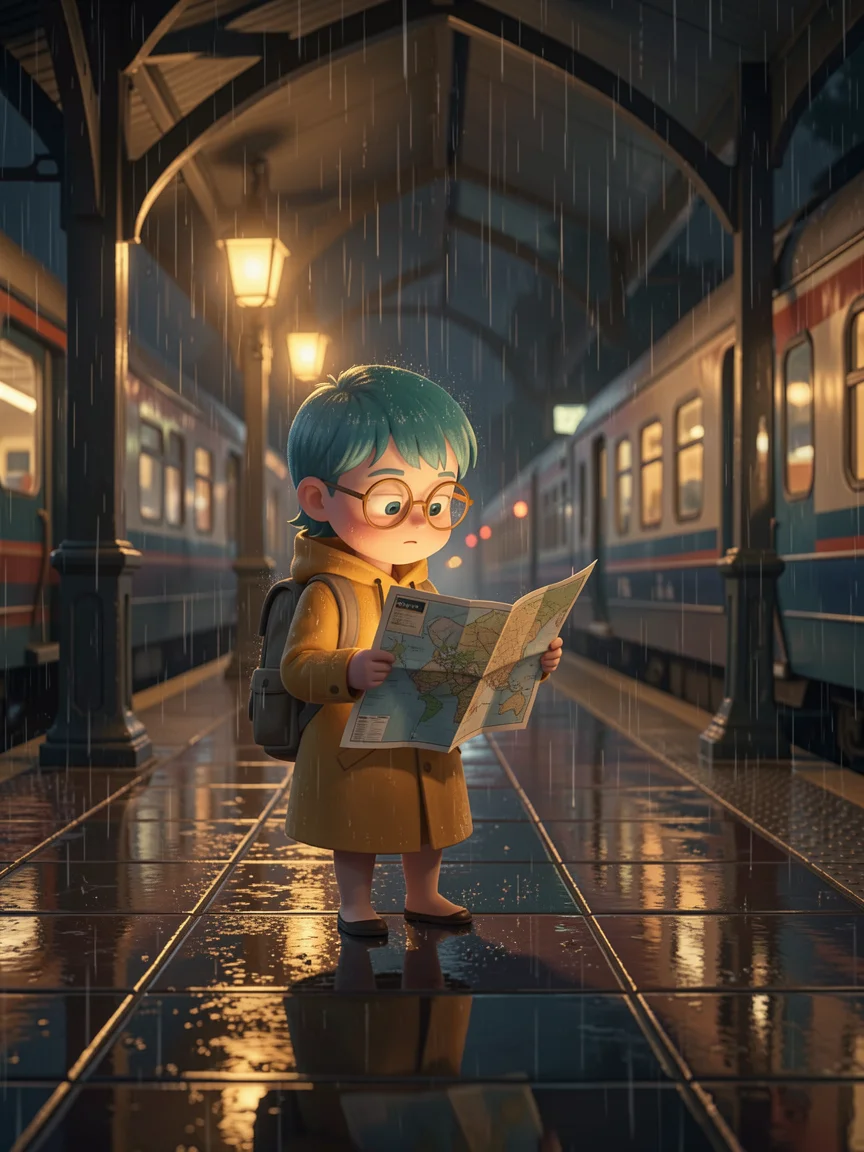
The explorer character reading a paper map on a rainy night train platform, glowing lamps, reflections on wet tiles, cinematic, no text, no signs
ideogram-v3-character, TURBO, 3:4, 864×1152, $0.09. Reference: a portrait illustrated character.
How to write it: weather and time of day (rainy night) do the most for mood; a reflective surface (wet tiles) adds depth immediately.
Scene 5: Add a character to a finished image (masked repaint)
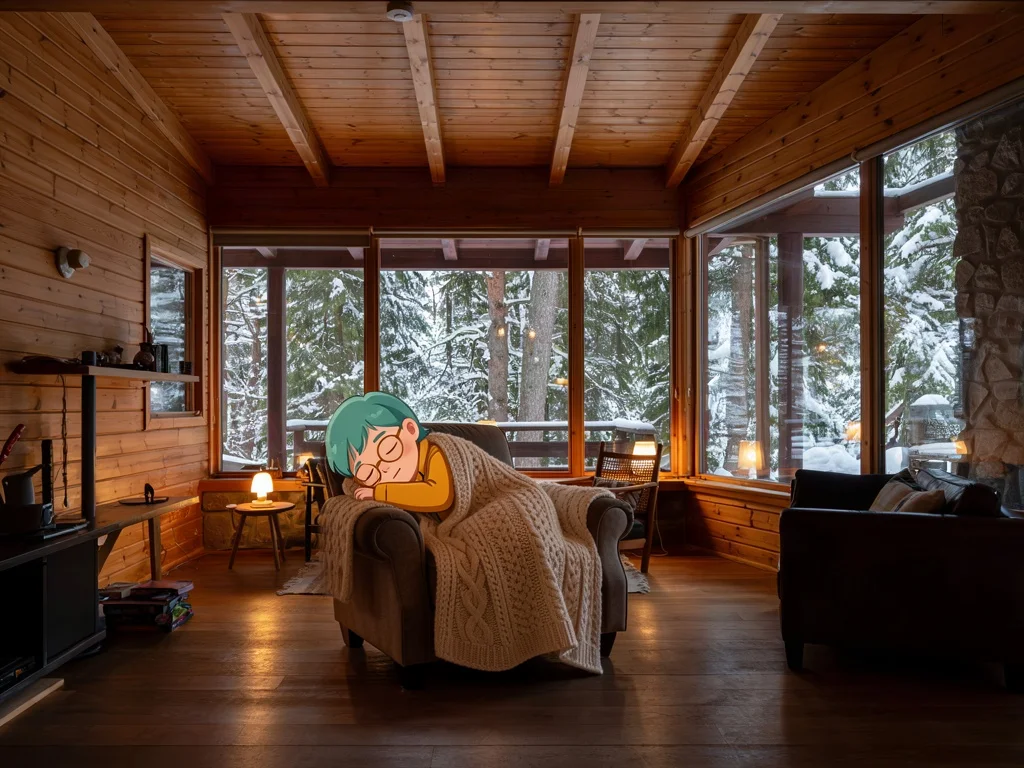
The explorer character curled up in the armchair asleep under a knitted blanket
(Use ideogram-v3-character/edit: upload the cabin source image, the armchair mask, and the character reference.)
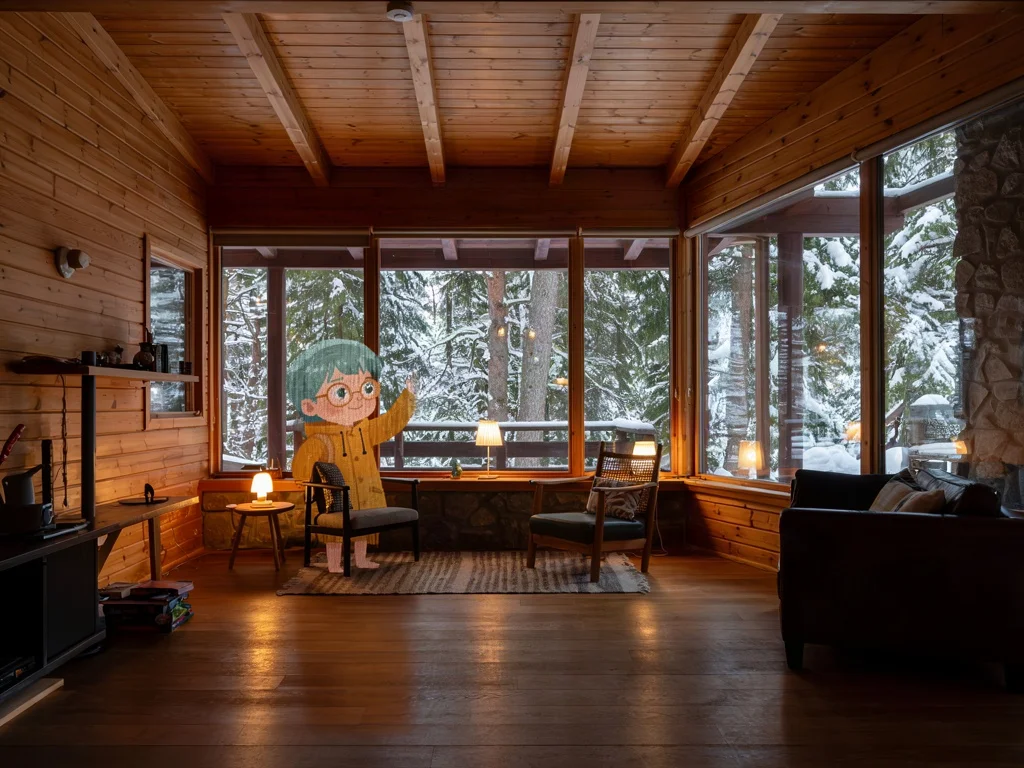
ideogram-v3-character/edit, TURBO, 4:3, 1024×768, $0.09. Inputs: cabin source + mask + portrait illustrated reference.
How to write it: in the mask, black = repaint and white = keep. Circle the armchair, then describe only what the character does there — one sentence is enough. Full usage is in the API guide.
How to write these prompts (3 lines)
- Open with a fixed name —
The same boy,The explorer character— and let the reference carry the looks. - Scene triplet: location + action + light/weather, one short phrase each.
- End with what to avoid:
no textfor illustration,no signsfor street scenes.
FAQ
- Yes, prompts run in English. The model generates from English prompts; the links pre-fill exactly what's in the code blocks.
- Yes, reuse the same reference. Same reference plus a new scene prompt is a new $0.09 TURBO image.
- No, masked editing doesn't cost extra.
ideogram-v3-character/edithas the same three tiers; source images and masks are free.
Next: pick the scene closest to your use case, follow the link to pre-fill the prompt, swap in your character reference, and run one TURBO image to see where you stand.