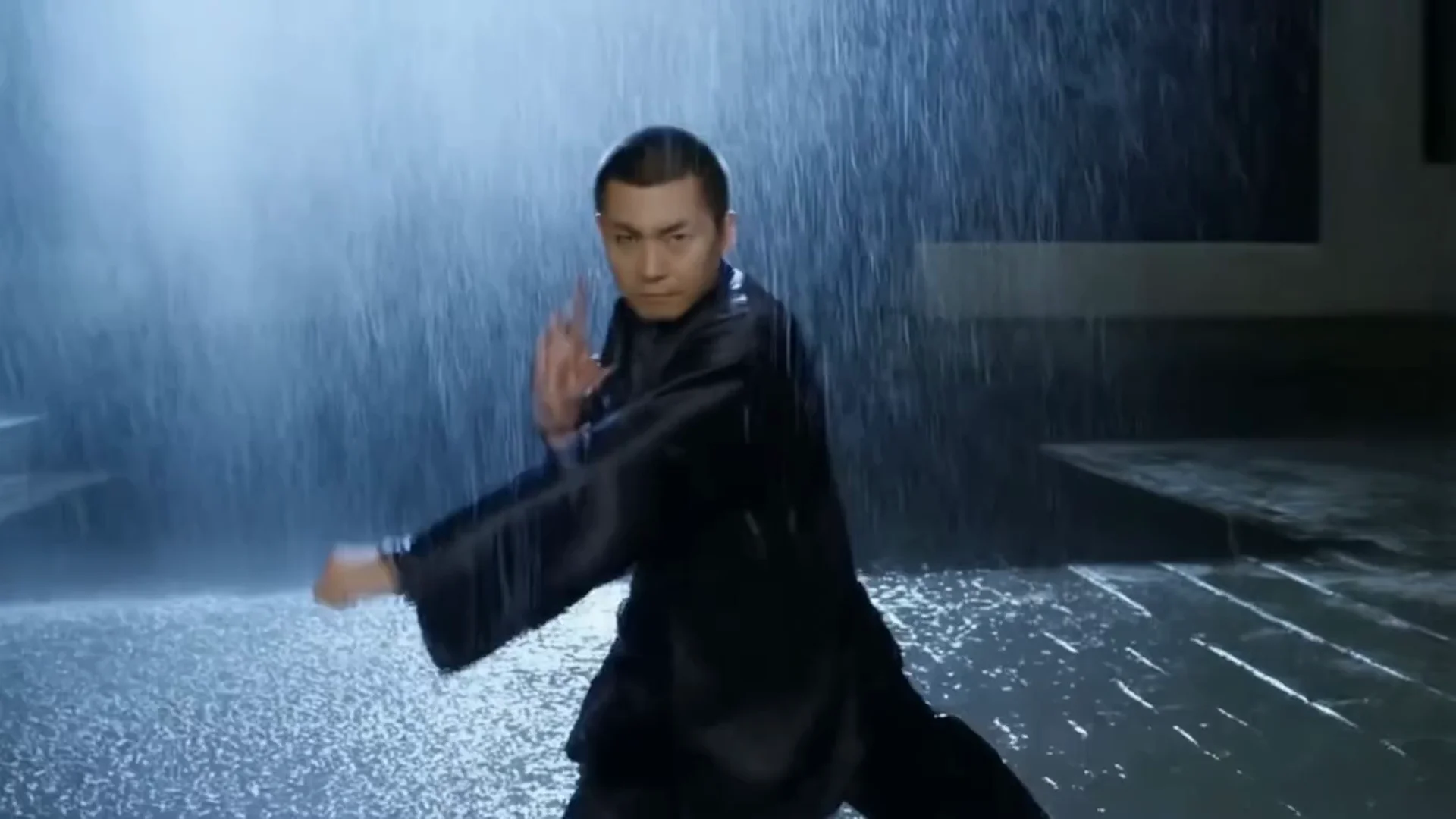
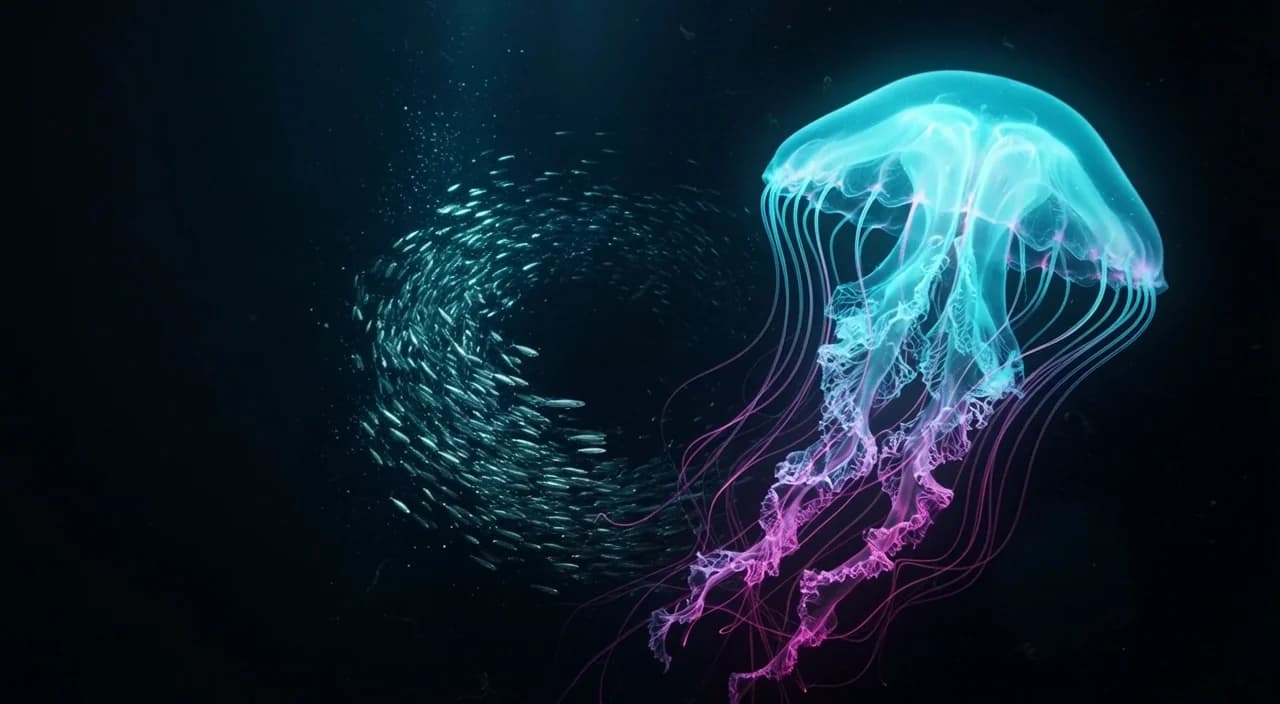
The best thing about Kling 3.0 Omni is that one subject can travel across its endpoints. Below, a paper boat goes through three of them: text-to-video creates the first shot, reference-to-video moves it to a new location, and transformation changes the season. Then come a harbor image-to-video shot and three product and character consistency examples. All seven clips were generated on HiAPI with the exact prompts shown, and each "Generate with this prompt" link opens the model page with the prompt filled in. A 3-second 720p clip starts at $0.30.
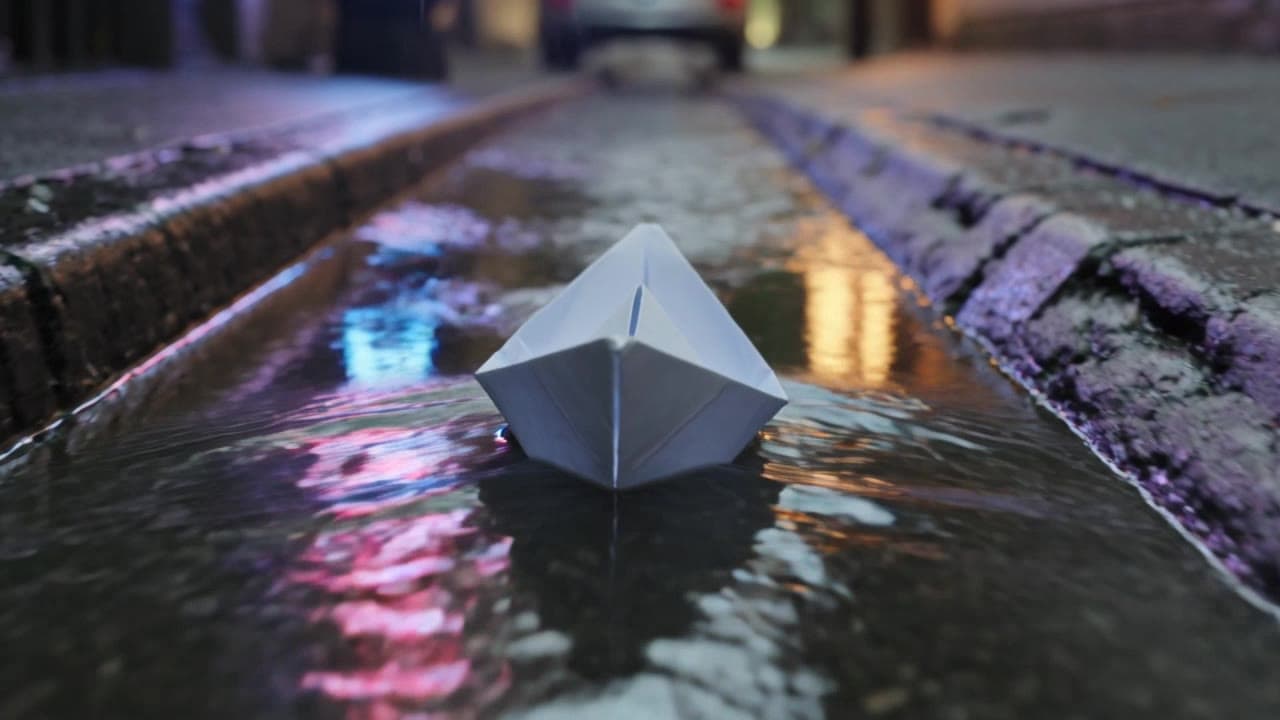
1. Text-to-video: a paper boat in a rainy gutter
Build the shot from nothing: subject, setting, and how the camera moves.
Text-to-video · 720p · 3 seconds · 16:9 · no sound · $0.30
A paper boat drifts down a rain-soaked city gutter at dusk, neon signs reflecting and rippling on the water; the camera glides low beside it as raindrops splash around. Cinematic, shallow depth of field, smooth tracking motion.
"The camera glides low beside it" is what makes this work: with the lens near the water, the neon reflections fill the frame.
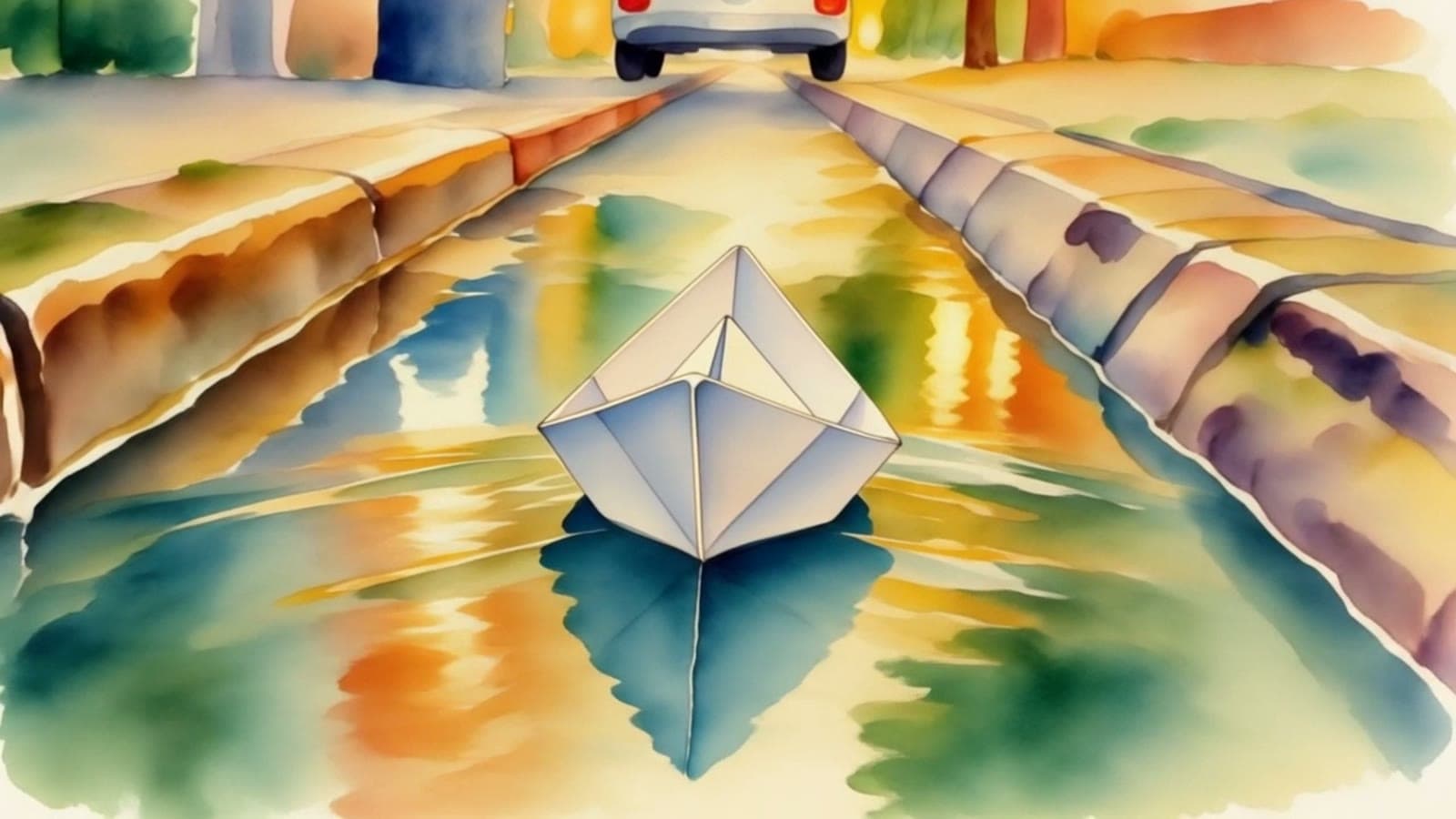
2. Reference-to-video: the same boat in a forest stream
A still of the paper boat is the subject reference, and clip 1 is the camera reference. The whole setting changes.
Reference-to-video · 720p · 3 seconds · with a reference video · $0.429
The same white paper boat from the reference drifts along a sunlit forest stream at golden hour, leaves floating beside it, camera tracks low alongside it with the same smooth motion as the reference video. Cinematic, shallow depth of field.
"The same … from the reference" points the model at the image for the subject, and "the same smooth motion as the reference video" points it at the clip for the camera. Both the boat's shape and the low tracking shot carried over.
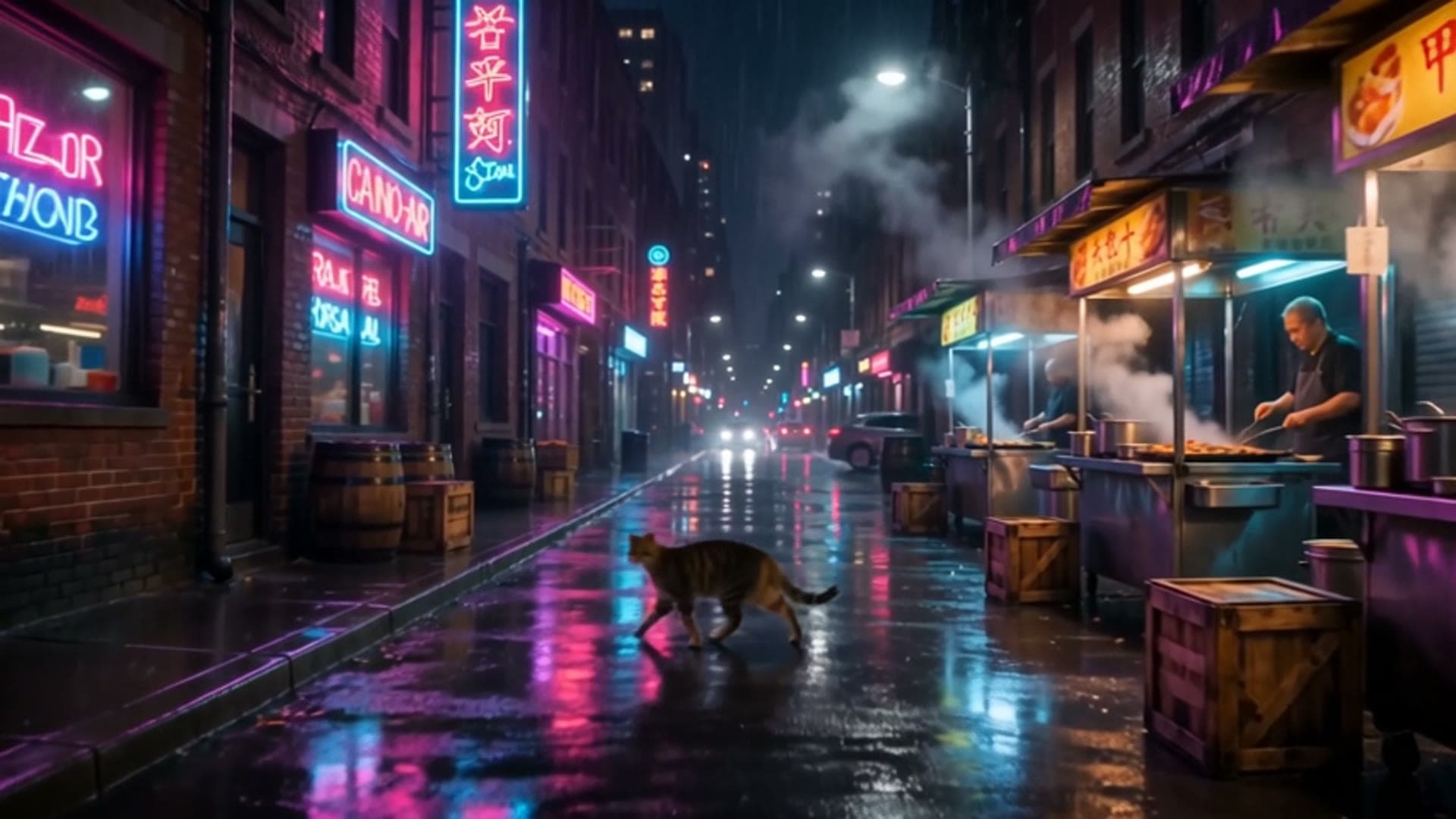
3. Transformation: from a rainy night to a snowy one
Pass clip 1 in unchanged and only describe what it should become.
Transformation · 720p · follows the 3-second source · $0.429
Transform the scene into a snowy winter night: the gutter becomes a frozen stream with drifting snowflakes, the paper boat becomes a small glowing paper lantern boat, keep the exact camera motion and water movement from the original video. Cinematic, cold blue tones.
The last clause, "keep the exact camera motion and water movement," preserved the original camera path and water flow. Only the season, the light, and the boat's material changed.
4. Image-to-video: morning fog in a harbor
A still photo is the first frame, and the prompt only describes what happens next.
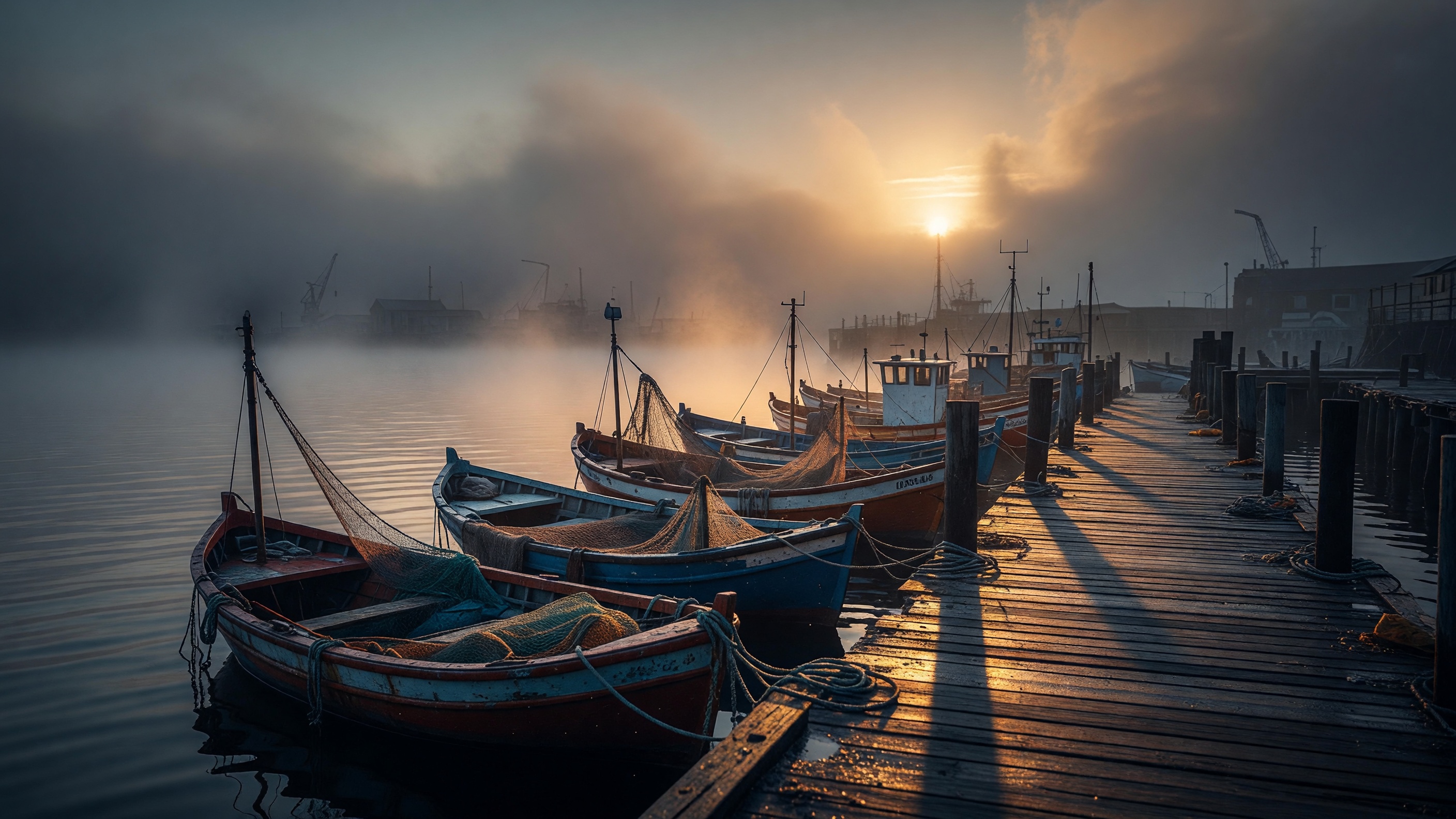
Image-to-video · 720p · 3 seconds · first frame · $0.30
Morning fog slowly lifts over the harbor as the fishing boats rock gently on the water; the low sun breaks through the haze and glints on the wet pier, camera slowly pushes in along the dock. Cinematic, calm, photorealistic.
Don't re-describe what's already in the photo. Spend the words on motion: the fog lifting, the boats rocking, the camera pushing in.
5. Product shot: locking a serum bottle
Two photos of the same serum bottle from different angles go into image_urls. As the camera pushes in, the bottle shape, the black dropper, and the amber glass stay the same.
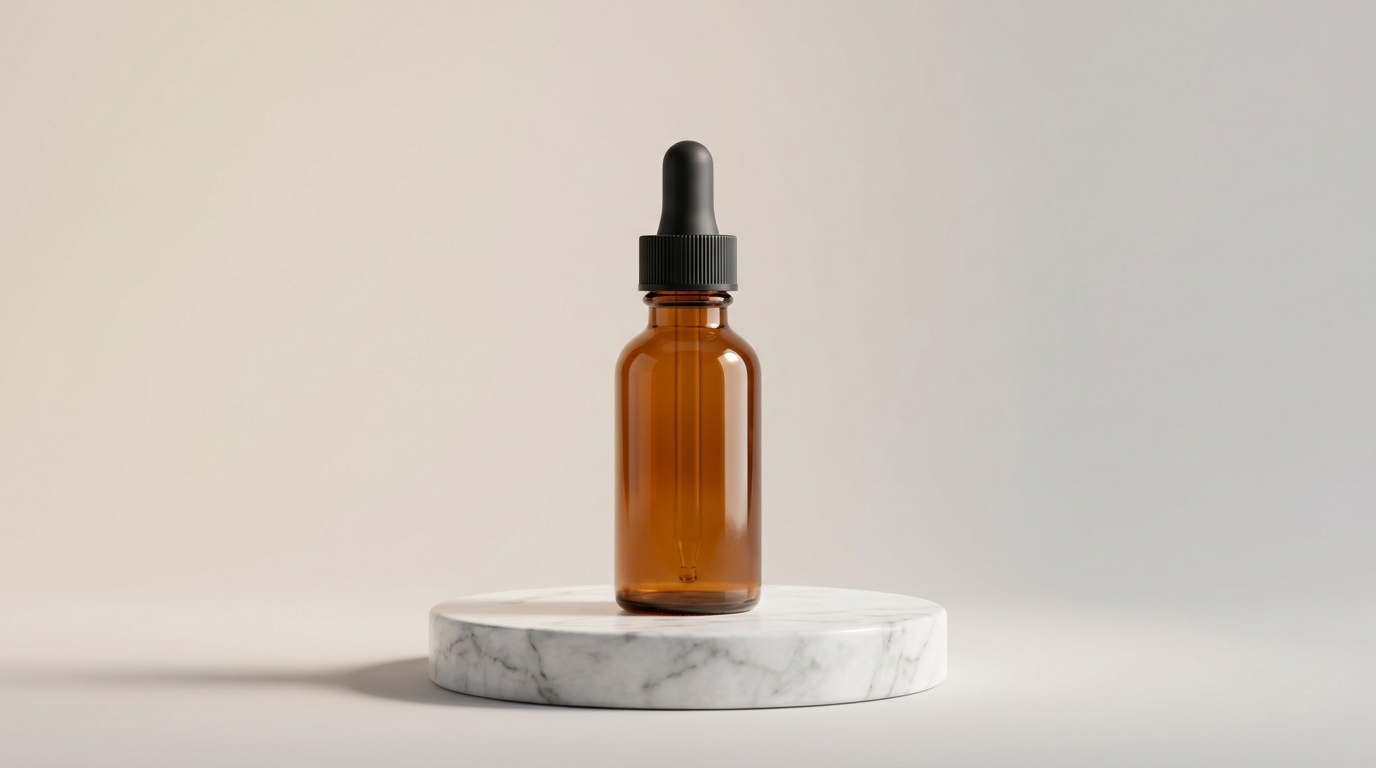
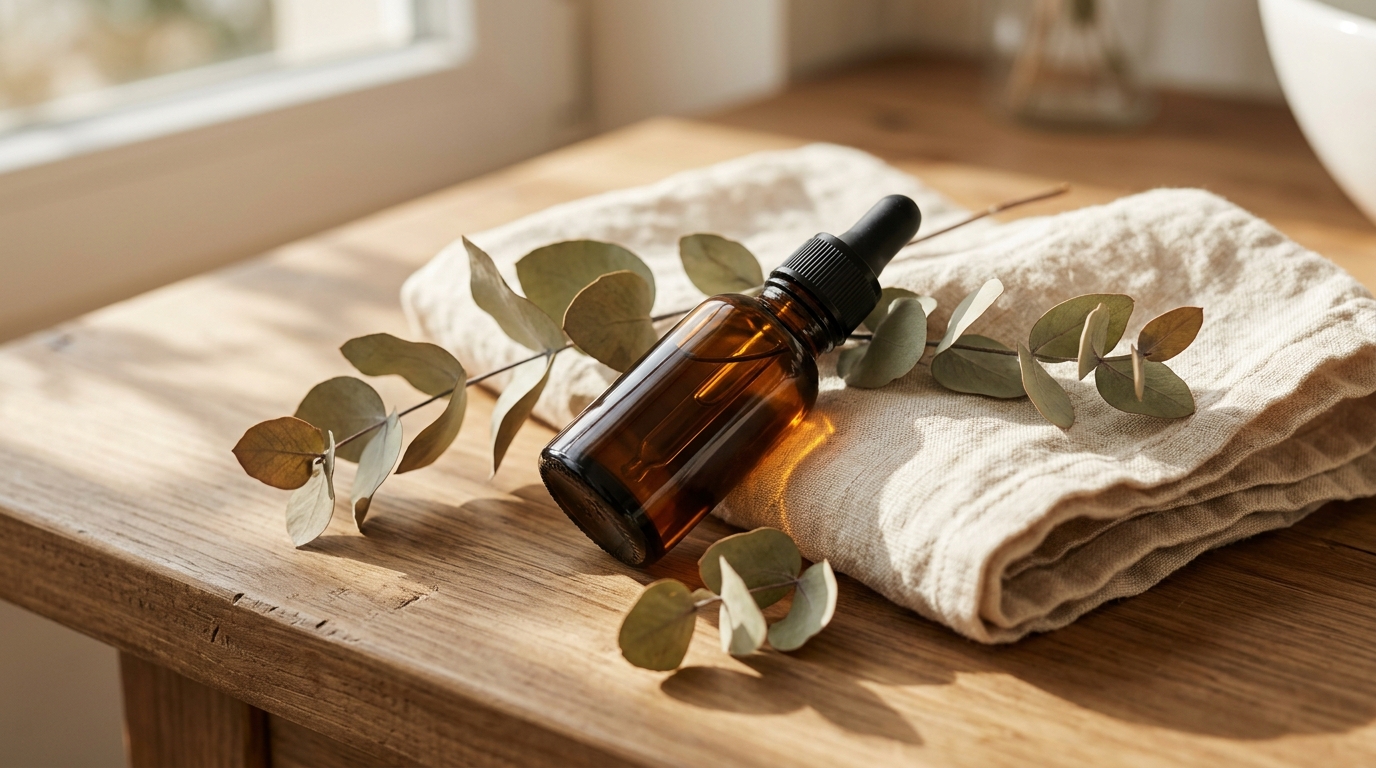
Reference-to-video · 1080p · 5 seconds · no sound · $0.645
Cinematic skincare product reveal. The camera slowly dollies in on the amber glass serum bottle from the reference images, standing on a round white marble pedestal, soft diffused studio light from the upper left, faint volumetric haze behind it. A single droplet of golden serum slowly forms and hangs at the tip of the black dropper. Shallow depth of field, premium commercial look, gentle highlights sliding across the amber glass as the camera eases in.
6. Character shot: the same mascot in a new place
A front view and a three-quarter view. The mascot waves and tilts its head in a café, and the mint-green visor, round eyes, and belly button stay intact.


Reference-to-video · 1080p · 5 seconds · no sound · $0.645
The matte-white robot mascot from the reference images stands in a cozy sunlit cafe with a warm morning glow from a window behind it. It gives a cheerful little wave with one arm, tilts its head, and its antenna bobs gently. Smooth friendly motion, soft bokeh of wooden cafe shelves in the background, a slow gentle camera push-in, wholesome animated-film look.
7. Two subjects in one shot: the mascot presents the serum
When two subjects both need to stay on-model, name each one in elements and refer to them as @mascot and @serum:
"elements": [
  {"name": "mascot", "description": "Small matte-white rounded robot mascot with soft mint-green accents ...", "element_input_urls": ["ref-mascot-01.jpg", "ref-mascot-02.jpg"]},
  {"name": "serum", "description": "Amber glass skincare serum bottle with a black rubber-bulb glass dropper cap", "element_input_urls": ["serum-1.jpg", "serum-2.jpg"]}
]
Reference-to-video · 1080p · 6 seconds · no sound · $0.774
A clean, playful product commercial. @mascot stands beside a round white marble pedestal and gestures with one arm toward @serum resting on top of it, presenting it to the viewer. @mascot glances at the bottle, then turns to look at the camera. Soft diffused studio light, pale mint seamless background, a slow gentle camera push-in, premium yet friendly brand-ad look.
The full requests, with reference image URLs, are in Kling 3.0 Omni reference-to-video prompt recipes.
Rules that keep Omni prompts reliable
- Let references carry identity and the prompt carry motion. What the subject looks like comes from the images; the prompt covers the camera, the action, and the setting.
- Put the camera verb first: dolly in, track low, pull back. Then add detail.
- For transformation, describe only the difference: what it becomes and what stays. Don't re-describe the source clip.
FAQ
Do prompts have to be in English?
No, Chinese works too. The prompts here are kept exactly as generated so you can reproduce the same shots.
What does it cost to reproduce all seven?
$3.522 at the settings listed under each clip. Test at 720p and 3–5 seconds, then move to 1080p.
How many reference images do I need?
At least one in image_urls. Each subject in elements needs 2–4 images of that subject from different angles. Reference images and subjects together are capped at 7, or 4 when you also send a reference video.
Start with the cheapest one: generate the rainy paper boat for $0.30 at 720p and 3 seconds. Integration code is in the Kling 3.0 Omni API guide.