Blog
AI Image & Video API Guides
Hands-on model tests, production tutorials, prompt techniques, and current API pricing for generative media teams.

Wan2.7 Image-to-Video Prompt Example: A Product-Commercial Sneaker Reveal
A single wan2.7-video/image-to-video prompt turns a still sneaker photo into a 6-second product-commercial reveal. The prompt combines a low-angle camera hold, slow turntable rotation, swirling mist, and rim light on the sole. We break down each clause and show why it earns its place in the final render. A ready-to-run /v1/tasks example reproduces the clip with current hiapi pricing.
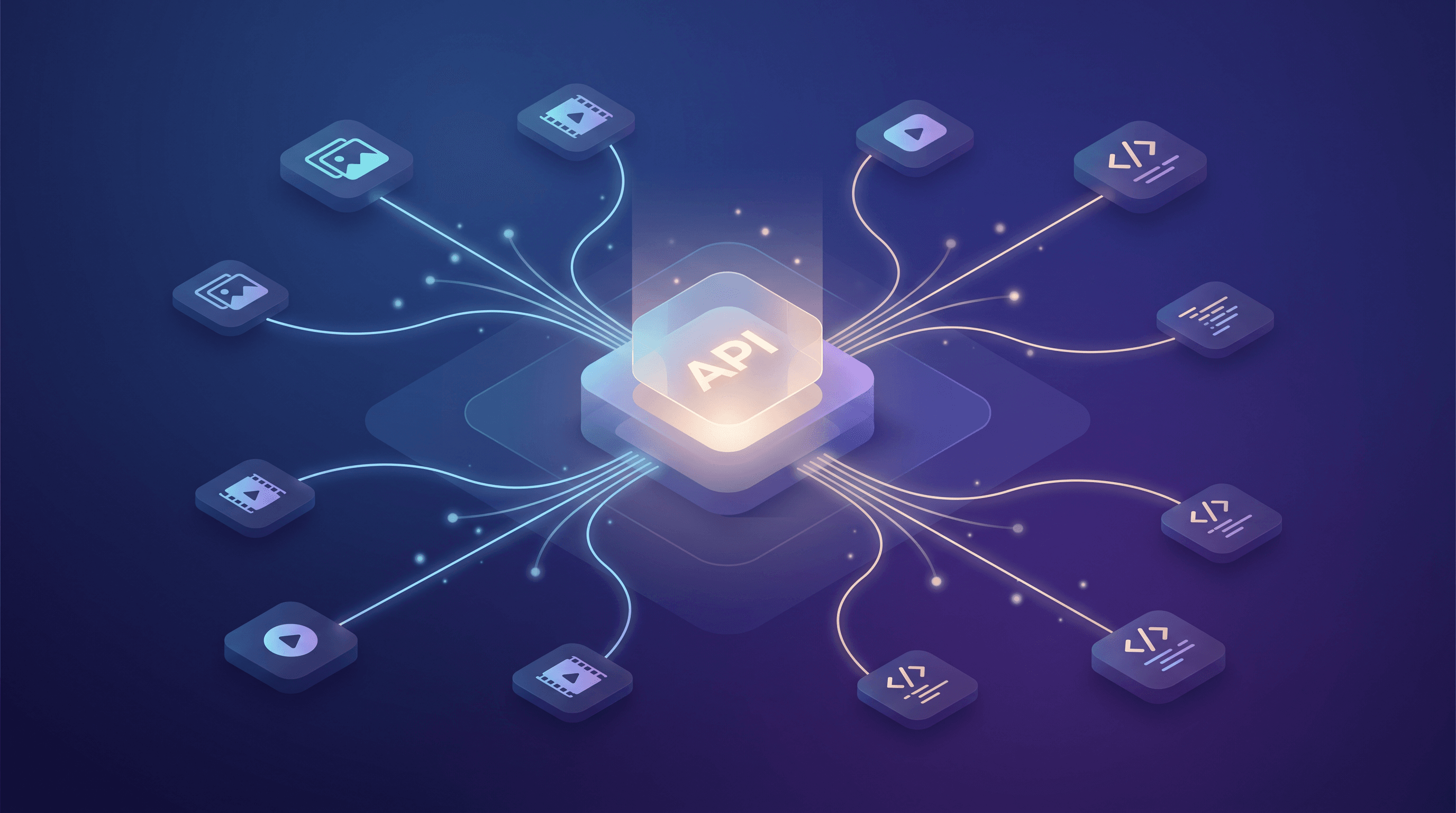
Best Modal Alternatives in 2026: Choosing an Image and Video API
Modal is a strong choice for deploying custom models, training jobs, and per-second GPU billing, but it doesn't offer a pre-built image or video generation endpoint. HiAPI, fal.ai, and Replicate are managed generation APIs you can call directly without writing serving code. RunPod sits in between: its core Pods/Serverless products are GPU cloud like Modal, but Public Endpoints offers a narrower, per-generation hosted API for a curated model list. HiAPI covers image, video, audio, and LLM traffic behind one API key with native MCP server support and flat per-generation pricing. Pick based on what you need: a ready endpoint (HiAPI/fal.ai/Replicate), lowest latency (fal.ai), the widest open-model catalog (Replicate), or custom deployment (Modal/RunPod).

Best Fireworks AI Alternatives in 2026: Choosing an Image and Video API
Fireworks AI deprecated image generation and audio inference on June 10, 2026, and never offered video generation at all. HiAPI, Replicate, fal.ai, and Together AI all offer managed, per-call image and video generation instead. Together AI is the closest match to what Fireworks actually does (open-weight LLM serving) and also covers image and video generation in the same account.

HiAPI Task Timeout and 504 Errors: How to Fix Them
A real HiAPI task failure looks like `status: "fail"` with `error.code: "TASK_TIMEOUT"` inside a normal 200 response from `GET /v1/tasks/{id}` — it means the task started but didn't finish in time. A literal HTTP 504 is not a code HiAPI's API ever returns; HiAPI's documented status codes top out at 503, so a 504 you see is coming from your own network, proxy, or HTTP client, not from hiapi.ai. The documented fix for TASK_TIMEOUT is simple: retry the task as a new request — it is not a sign your account or API key is broken. Heavier jobs (longer video, higher resolution) hit real timeouts more often; check the task's inputs before assuming a platform problem. If status is still queued, handling, or archiving, nothing has failed yet — that's covered separately in the task-hang diagnosis guide.
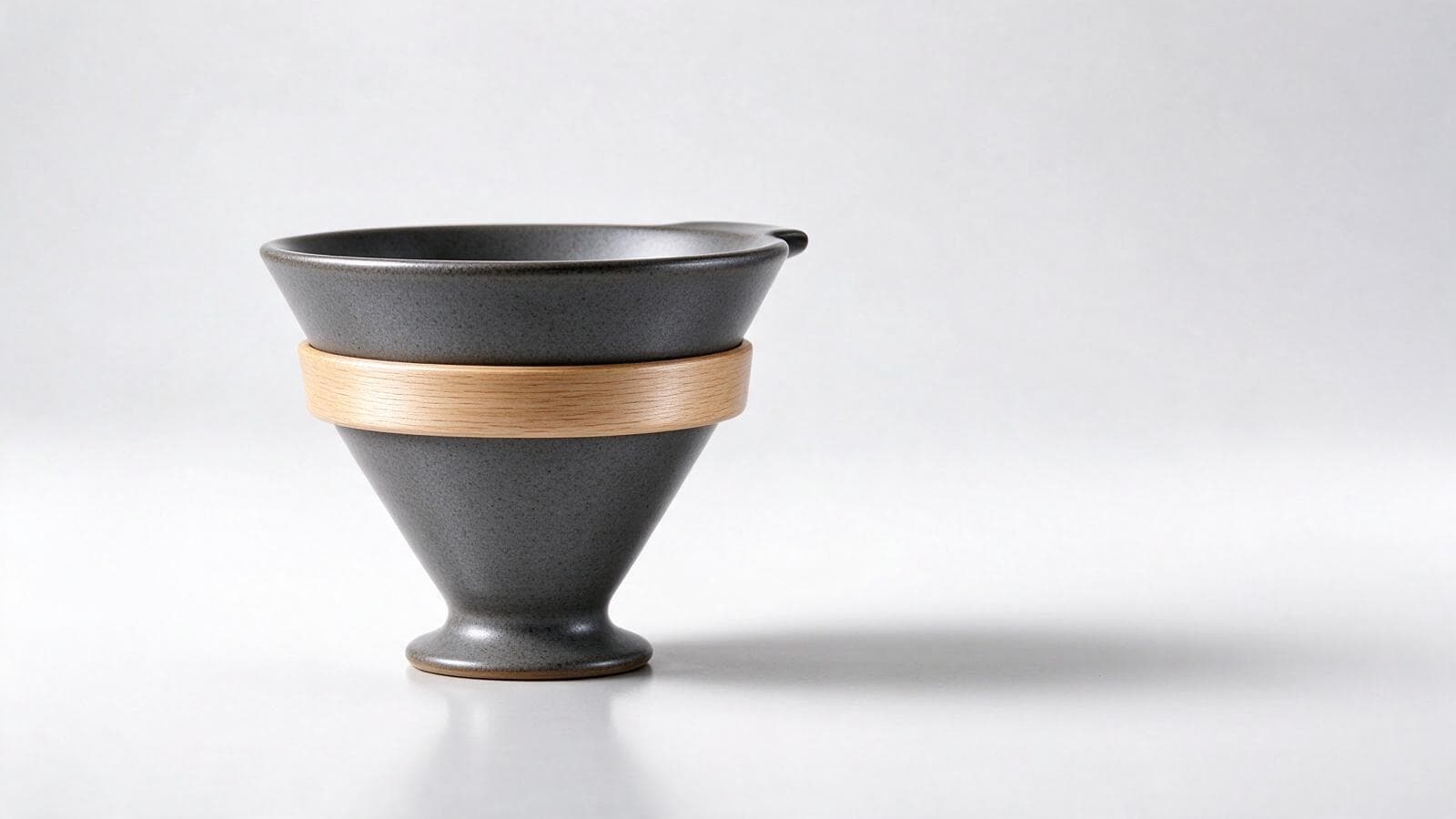
Seedream 5.0 Flash for E-Commerce Product Images: A Hands-On Walkthrough
seedream-5.0-flash generates a clean studio product shot from a text prompt, then reuses that same image to produce a consistent lifestyle variant via image-to-image editing. Both calls go through the same hiapi /v1/tasks endpoint and cost $0.025 per image flat. The image-to-image edit needs a real, publicly reachable URL for the `image` field — a base64 data URI failed outright. The `background: "transparent"` cutout mode failed consistently across every input encoding we tried; treat it as unreliable on this model today.

Best RunPod Alternatives in 2026: Choosing an Image and Video API
RunPod is GPU infrastructure — you still deploy, scale, and maintain the model yourself; it's not a drop-in swap for a generation API. If you want image or video output without managing inference servers, managed APIs like HiAPI, Replicate, and fal.ai are the closer match. Replicate and fal.ai both offer the same two-tier split RunPod does: pay-per-output "model API" calls plus hourly GPU compute for custom deployments. Modal is the closest RunPod-style option for teams that specifically need custom model deployment or training — not a generation API either.

Building Multi-Model AI Apps with a Single Unified API on hiapi
hiapi exposes every image, video, and audio model through one async pattern: POST /v1/tasks to create, GET /v1/tasks/:id to poll. This recipe walks through real, schema-verified calls across three live models (z-image, qwen-image-2.0, seedance-2.5) plus production patterns for callbacks, idempotent retries, and per-model error handling.
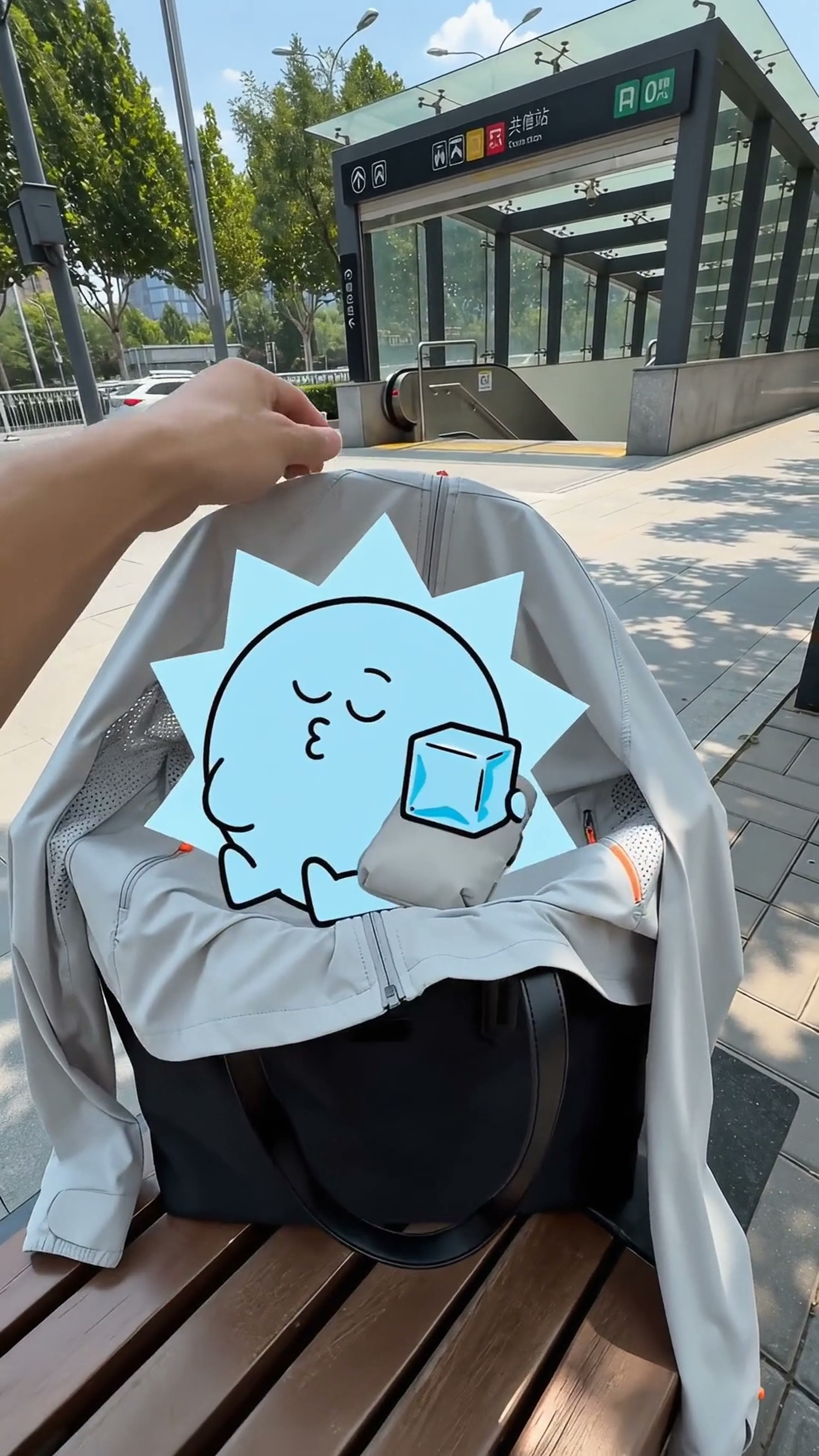
Seedance 2.0 Ext 2D Sticker Composite Prompt: Full Breakdown
A real hand-held product shot gets a flat 2D cartoon sun composited on top as a sticker, cooling from hot yellow to chilled blue across a 10-second clip. The full prompt uses two separate reference images on Seedance 2.0 Ext's reference_image_urls field: one locks the character design, one locks the live-action scene. Includes a working /v1/tasks reproduction call with verified schema and live pricing ($3.73 for a 10s 1080p clip).

Fixed: "Model Not Found" Error on OpenAI-Compatible APIs (hiapi)
hiapi's OpenAI-compatible /v1/chat/completions returns HTTP 400 with error code model_not_found when the model id isn't recognized or routable. The most common cause is sending a model's page-URL slug instead of its real API id, which often needs a task-type suffix like /text-to-image. This guide gives the exact error bodies for both /v1/chat/completions and /v1/tasks, ranked common causes, and a step-by-step fix using GET /v1/models.

Seedance 2.0 Realistic Prompt: Making AI Video Look Like Real Phone Footage
Seedance 2.0 can produce AI video that looks like real, unplanned phone footage — the key is prompting for imperfections, not polish. The technique: specify handheld tremor, autofocus drift, exposure stepping, and rolling-shutter warp instead of asking for a generic 'cinematic' look. A full, real, copy-pasteable prompt and its generated output, broken down section by section. A working /v1/tasks reproduction example with Seedance 2.0's current verified pricing.
Build with the models you just read about.
Compare image, video, and audio models, then use the same API workflow in production.