Blog
AI Image & Video API Guides
Hands-on model tests, production tutorials, prompt techniques, and current API pricing for generative media teams.
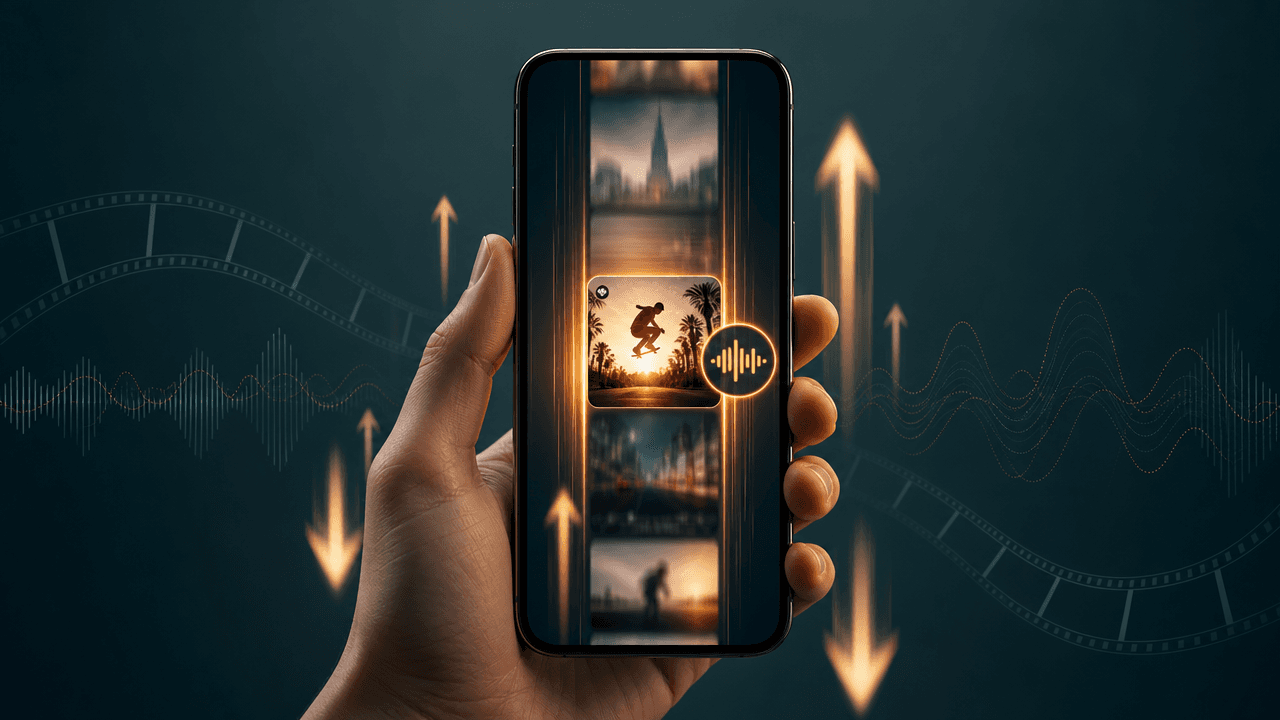
Kling 3.0 Text-to-Video: Short-Form Clips With Native Audio
kling-3.0/text-to-video is hiapi's non-turbo Kling 3.0 tier: it adds a `sound` toggle for native, lip-synced audio and a 4K ceiling; the turbo sibling always adds its own sound and stops at 1080p. For short-form social clips, 1080p + sound at a 6-10s duration is the practical sweet spot — $0.193/s, native audio, no separate dubbing pass. The hiapi /v1/tasks API is async: submit a task, poll for status, then download the output URL before it expires. Batch production is best done concurrently with asyncio/aiohttp, not a sequential polling loop — wall-clock time for a batch stays close to the time for one clip.
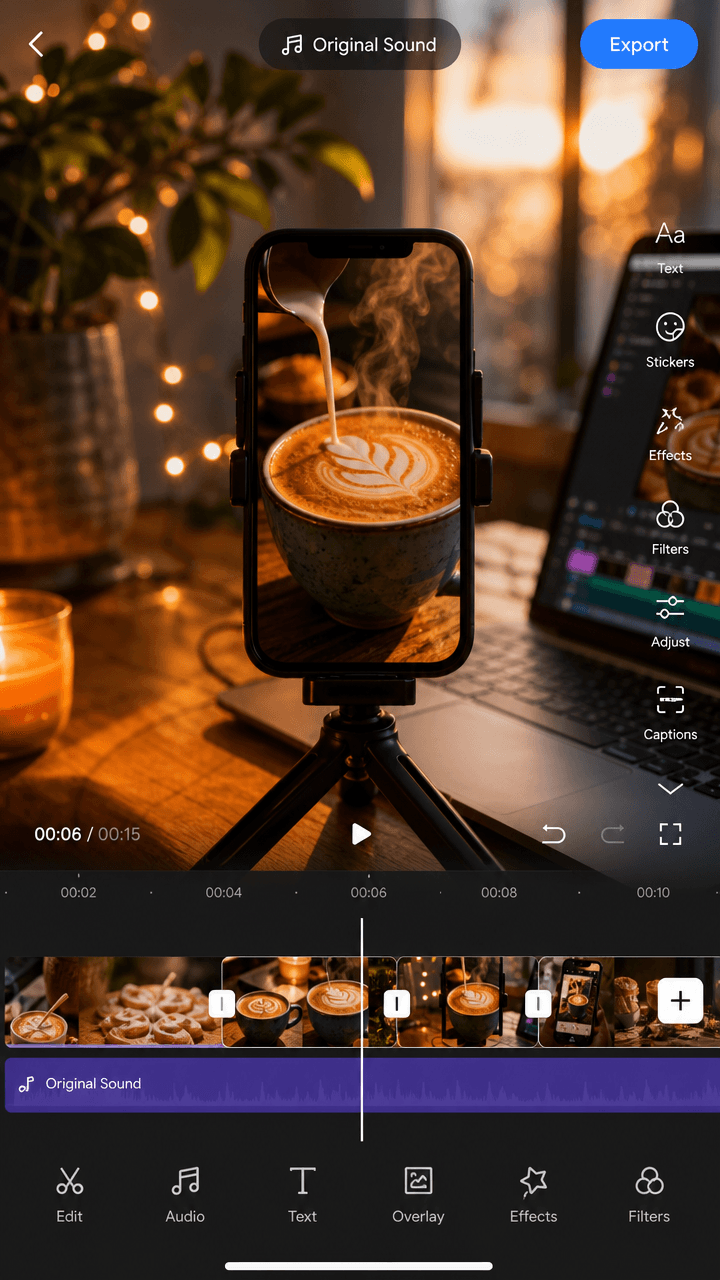
Using Kling 3.0 Image-to-Video to Make Short-Form Video via the HiAPI API
Kling 3.0's image-to-video model animates a still frame into a short clip, with optional first+last-frame control and native synced audio, through HiAPI's async task API. This guide walks through the full request schema, a working polling script, real pricing by resolution and audio, and batching tips for short-form video pipelines.

How to Use kling-3.0/motion-control for Short-Form Video on the hiapi API
kling-3.0/motion-control transfers a motion reference video's movement and expressions onto any single character image, with no rigging or mocap required. This walkthrough builds a real short-form pipeline: animate a driver portrait into a reference clip, then drive a completely different target character with that clip through hiapi's /v1/tasks API.

Grok Imagine Image 2.0 vs GPT Image 2: Which hiapi Model Should You Use
GPT Image 2 renders richer, more textured detail and a punchier cinematic color grade; Grok Imagine Image 2.0 leans softer and more pastel on the same prompt. GPT Image 2 is priced by resolution ($0.03 at 1K, $0.04 at 2K, $0.06 at 4K); Grok Imagine Image 2.0 is a flat $0.052 per image regardless of resolution. For photoreal portraits and close-up texture work, GPT Image 2 is the safer default; Grok Imagine Image 2.0 is worth a look when you want a softer, more painterly sunrise/outdoor look at a predictable flat price. Both models ran the exact same prompt through hiapi's API with zero edits, so the differences below are the models, not the wording. Prices reflect hiapi's published rates as of 2026-10; always confirm current pricing before building cost assumptions into a product.

A2E.ai Alternative: AI Avatar & Clone Video Generation with heygen-avatar-v
heygen-avatar-v is hiapi's async talking-avatar video model — flat $0.15/sec across every resolution, no subscription or credit system. A2E.ai clones a real person's likeness from a photo or video; heygen-avatar-v picks from 300+ curated preset avatars instead. A2E's own pricing pages put paid-plan lip-sync video at roughly $0.0067-$0.0099/sec — cheaper per second, but API access requires an active $14.9+/mo subscription. heygen-avatar-v accepts either a text script (built-in TTS) or your own audio_url for lip-sync, with SRT caption artifacts included.

HiAPI 402 Error: How to Fix 'Insufficient Balance'
A 402 response with error_code INSUFFICIENT_QUOTA means your HiAPI Credits balance has run out — it has nothing to do with your API key or rate limits. The fix is almost always the same: top up Credits on the Billing page, then retry the exact same request with no code changes. Because the balance check happens before a task is created, you are not charged for a request that fails with 402. Turning on Balance Alerts gives you an email warning before your balance hits zero again.
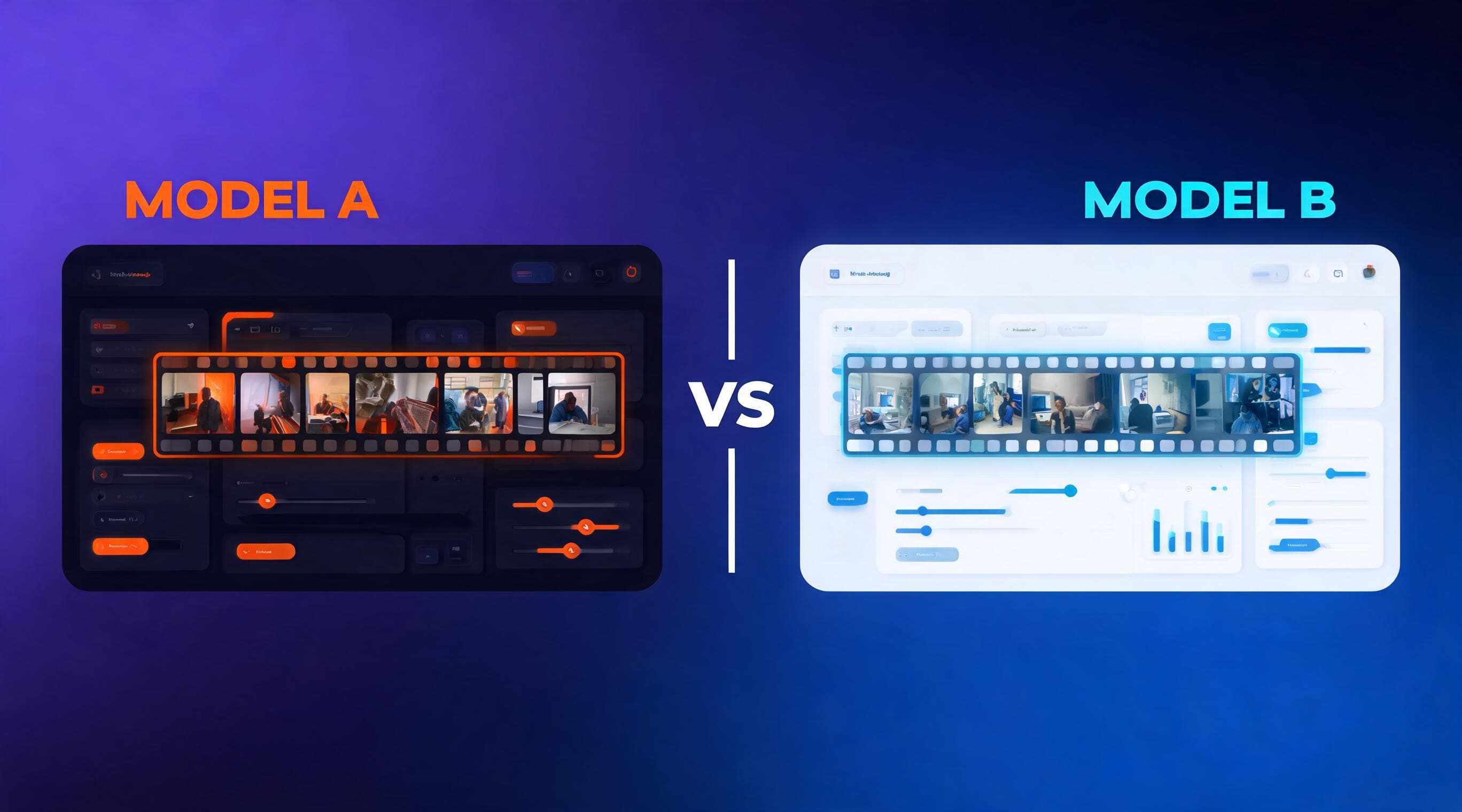
Seedance 2.5 vs Veo 3.1: Which Video API Should You Use in 2026?
Seedance 2.5 wins on cost-per-second and single-shot continuity, sustaining up to 30 seconds in one take. Veo 3.1 wins on peak visual fidelity, with native 4K output and Google's cinematic rendering. At 1080p, Seedance 2.5 ($0.516/s) costs $0.054 less per second than Veo 3.1 HD-with-audio ($0.57/s), but delivers far longer clips. Both models generate native synchronized audio, so neither needs a separate audio pass. Both are available through one HiAPI key, so teams can route by use case instead of locking into a single vendor.

Seedream API Cost Optimization: How to Cut Image Generation Costs on hiapi
Seedream 5.0 Flash, Lite, and Pro each have different per-image pricing, and choosing the wrong one for a given resolution can double your cost for no quality gain. Seedream 5.0 Lite charges the same $0.035 per image whether you render at 2K or 4K, so there's no reason to ever request 2K when 4K is a free upgrade. Seedream 5.0 Pro instead tiers by resolution — 1K renders cost roughly half of 2K renders — so cheap iteration at 1K before committing to a final 2K render saves real money at scale. This guide includes a working Python example against hiapi's async task API (POST /v1/tasks, then poll or callback) plus patterns for idempotent retries and webhook callbacks in production.
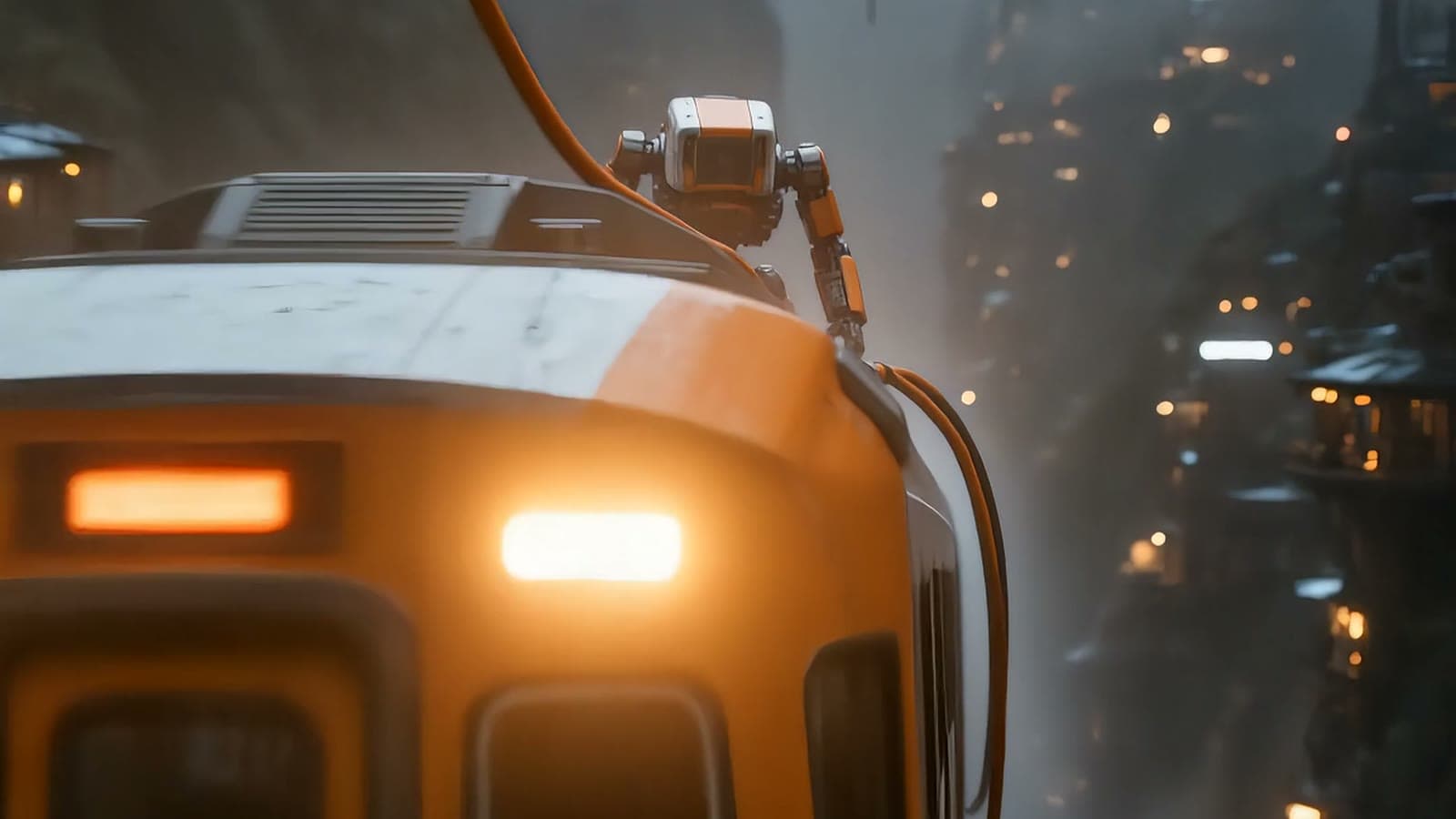
Seedance 2.0 Ext First-Frame Video Prompts: Anchor vs Interpolation
Seedance 2.0 Ext supports two distinct ways to anchor a continuous video clip: first-frame-only and first-last-frame interpolation. First-frame anchoring locks the opening image and lets the model improvise camera movement and pacing for the rest of the shot. First-last-frame interpolation locks both the start and end images, trading improvisational freedom for a guaranteed final composition. Both techniques run on the identical model id `seedance-2.0@ext`, not the bare `seedance-2.0` route, which lacks image-anchoring support. A 12-second 1080p clip costs $4.48 on the @ext route regardless of whether you anchor one frame or two.

Claude Opus 5.5 for E-Commerce: Copywriting & Support Replies
claude-opus-5-5 is text-only (no image generation) — real use here is product copy and support replies, tested against the live hiapi API. reasoning.effort has 5 documented levels (low/medium/high/xhigh/max); at a fixed max_tokens, all five billed the identical completion-token count in testing — effort changes the writing style, not the price. Two real gotchas found and shown with unedited output: a completely empty reply that still billed 300 tokens, and an xhigh-effort answer truncated mid-sentence — both from max_tokens running out mid-reasoning. Vision input works despite the model card listing text-only input modality, confirmed with a real image request. Total real cost across all 9 cited API calls: $0.0482.
Build with the models you just read about.
Compare image, video, and audio models, then use the same API workflow in production.