Blog
AI Image & Video API Guides
Hands-on model tests, production tutorials, prompt techniques, and current API pricing for generative media teams.
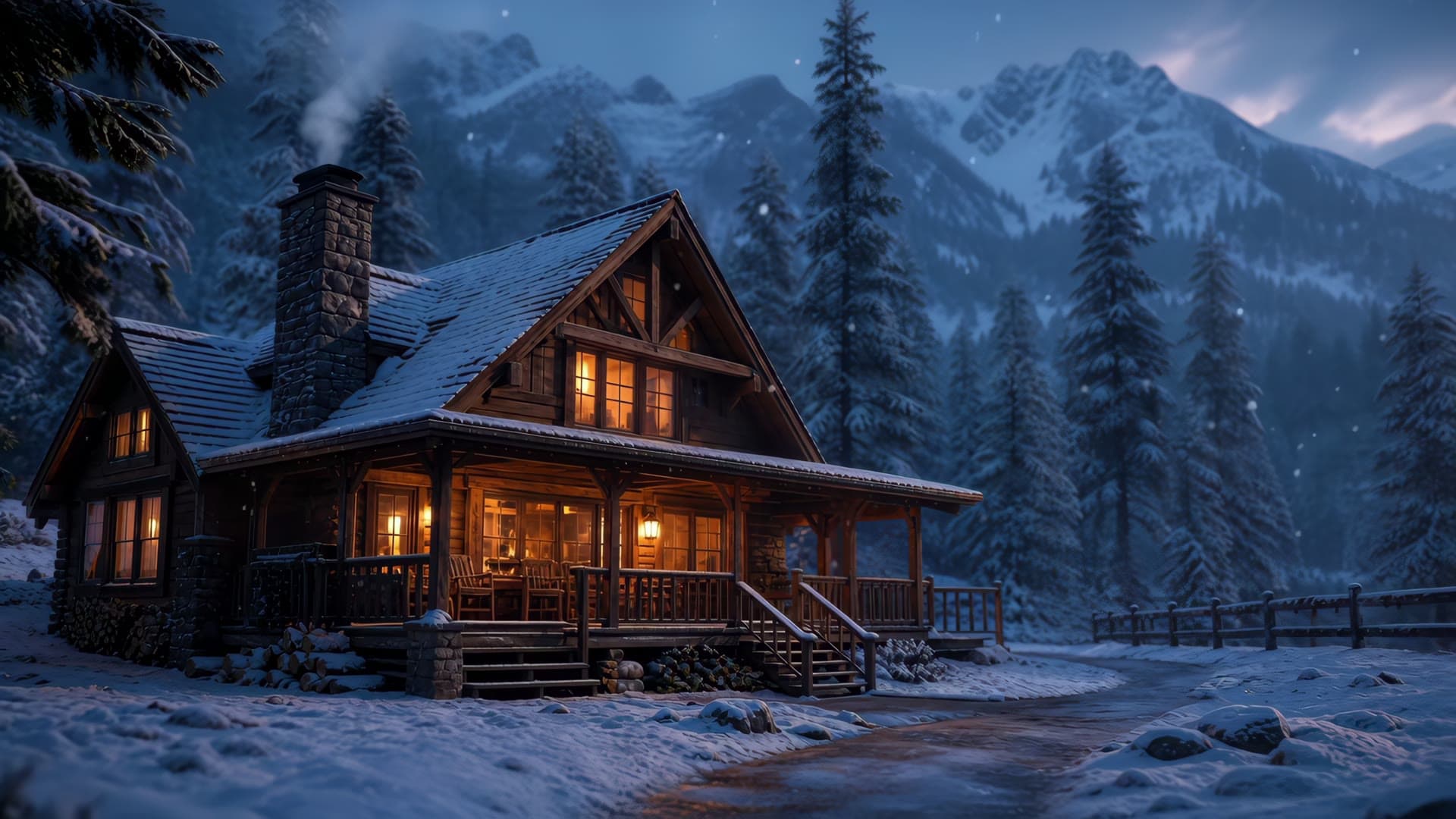
Vidu Q4 Preview Image-to-Video Prompt Recipes: Copy-Paste Prompts With Real 4K Outputs
Three copy-paste image-to-video prompt recipes for vidu-q4-preview, each shown with its exact motion prompt, the first-frame image it started from, and the real clip it produced on the first take. The recipes cover the three moves you'll actually use: a slow cinematic push-in rendered at true 4K with native audio, a smooth product orbit at 1080p, and a vertical short-form action shot at 720p. Key i2v behavior, verified live: there is no aspect-ratio field — the clip inherits the shape of your first frame — and every output ships with an audio track even when you pass no audio reference. Includes the exact four-field /v1/tasks schema, a reproducible curl + Python call, and per-second pricing checked against the live pricing page (4K is $0.446/second; 720p is $0.109/second).
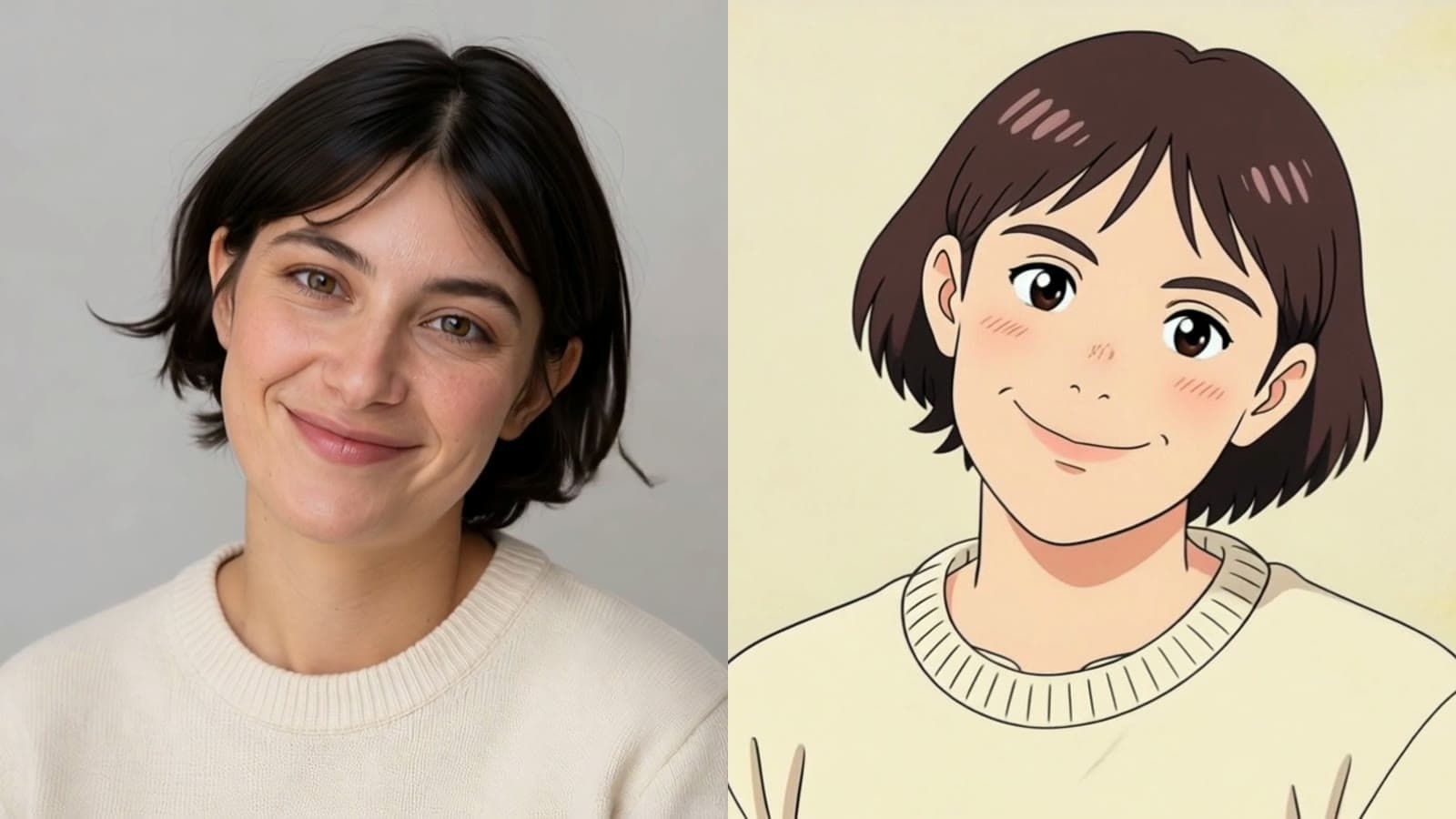
Video to Anime and Cartoon: Restyle Real Footage with kling-3.0-omni
Turn one source clip into anime, cartoon, or any custom style with kling-3.0-omni/transformation on hiapi — a video-to-video restyle that repaints the look while keeping the original motion, framing, and timing. Every style shown is a real render of the same four-second clip: the lever is a descriptive style block in your prompt plus a preservation clause, not a strength slider. The schema is live-verified and minimal — a prompt, exactly one public source video URL, and a resolution of 720p, 1080p, or 4k. Output length follows your input; there is no duration parameter. Billing is per second of output: $0.143/s at 720p (about $0.57 for a 4-second clip), $0.193/s at 1080p, and $0.479/s at 4k.
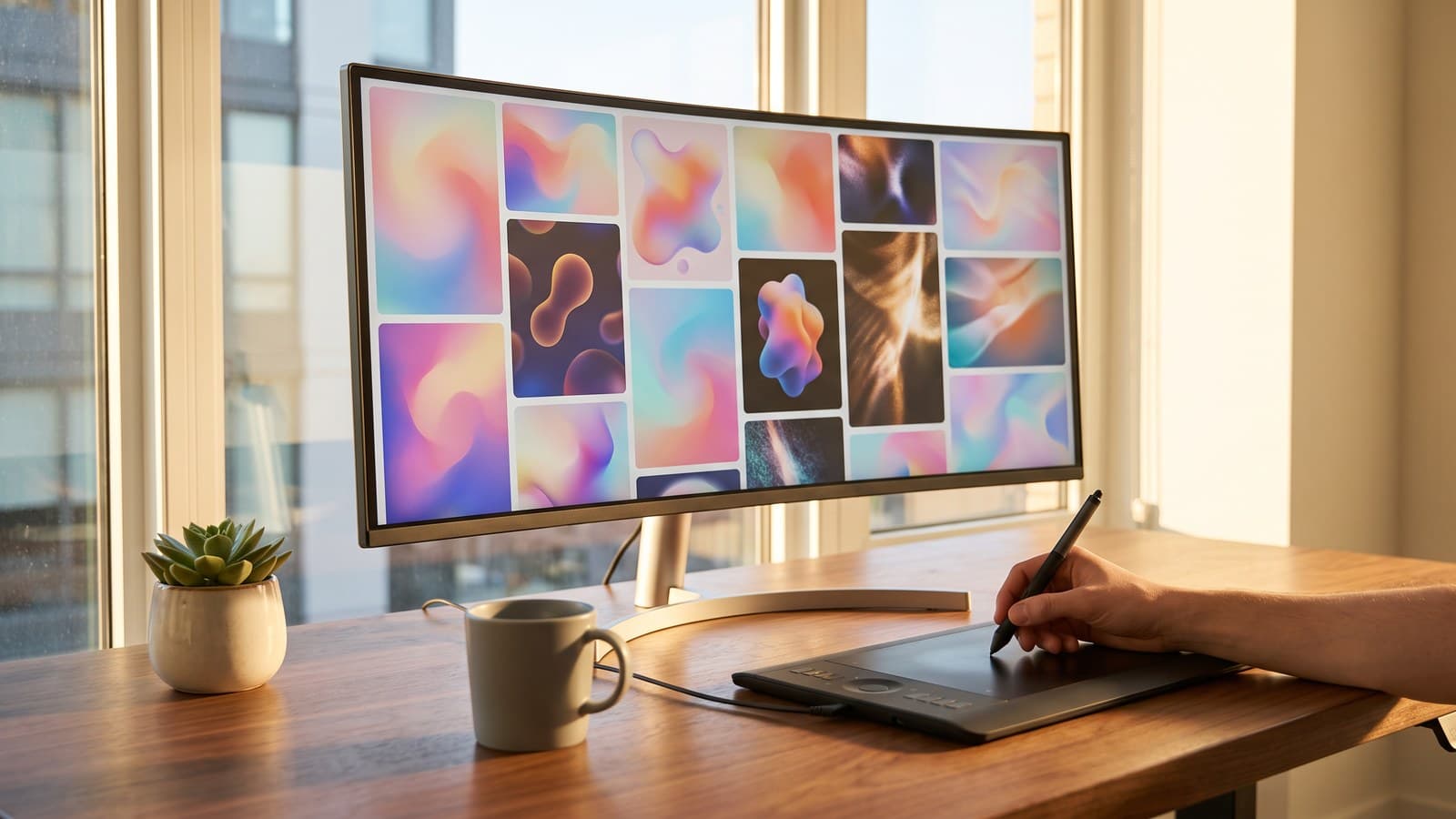
Best DALL·E 3 API Alternatives in 2026: Cheaper, Higher-Limit Image Models
OpenAI has deprecated the DALL·E 3 API and is winding it down during 2026, so teams still calling it need a durable replacement rather than a patch. Five image models hosted on HiAPI stand in for DALL·E 3 at $0.025–$0.057 per image — several below DALL·E 3's $0.04 standard rate, and none charge a separate HD premium. They render at 2K and 4K, well past DALL·E 3's 1792 px ceiling, and all run behind one pay-as-you-go API key. Pick Nano Banana Pro for all-round quality and in-image text, Seedream 5.0 Pro for photoreal product shots, FLUX.2 for prompt control, Qwen Image 3.0 for multilingual posters, and Seedream 5.0 Flash for high-volume batches.
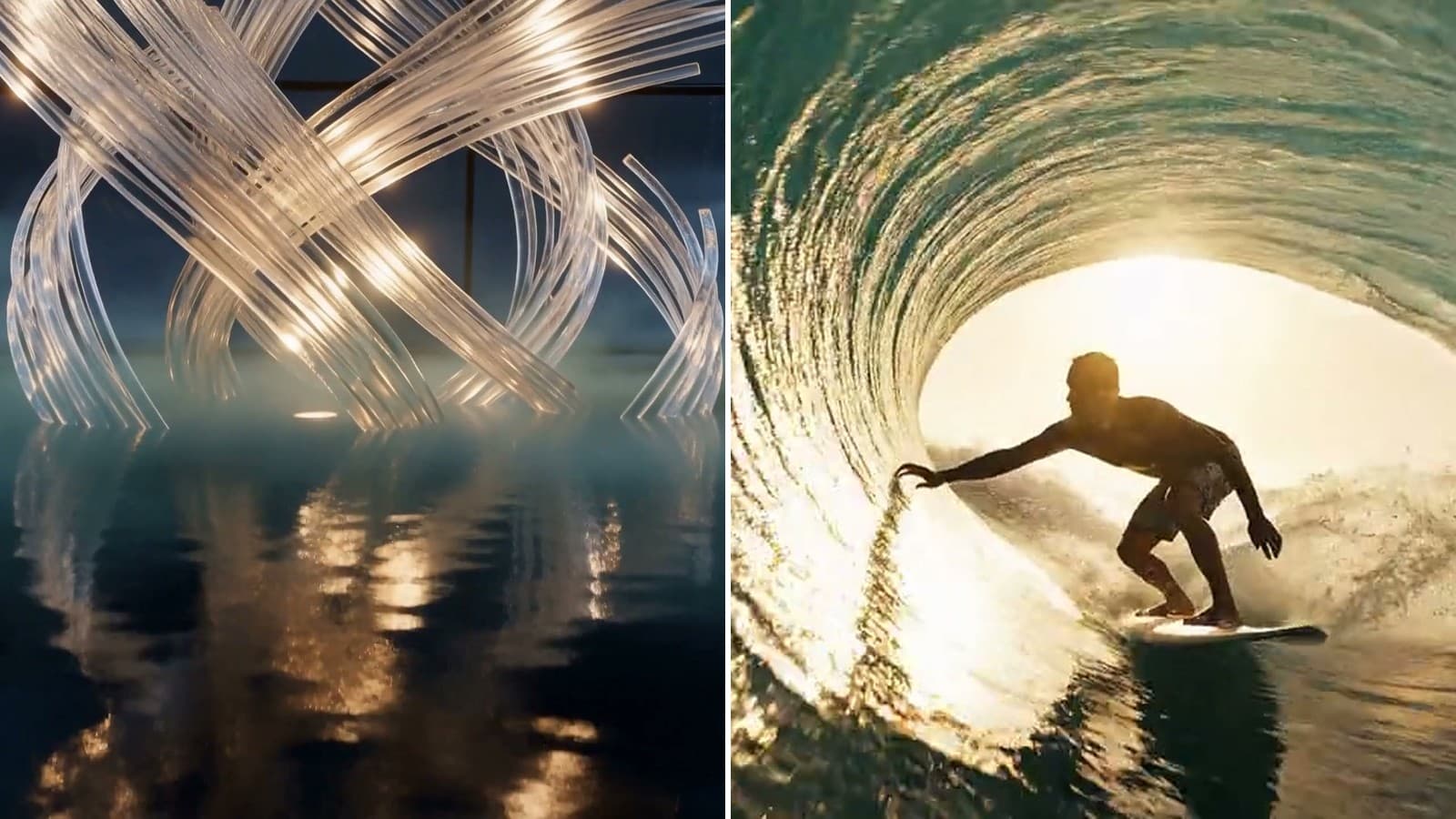
MiniMax H3 vs Veo 3.1 API (2026): Per-Second Cost, Quality and When to Use Each
MiniMax H3 is flat ~$0.12/s at native 2K and runs up to 15 seconds in one continuous take; Veo 3.1 costs up to $0.57/s but adds native audio and optional 4K. Veo 3.1 generates a synchronized soundtrack from the prompt; MiniMax H3 produces no audio track, so plan a separate audio pass if the clip needs sound. MiniMax H3 offers seven aspect ratios and 4-15s clips; Veo 3.1 is 16:9/9:16 only and caps a single generation at 8 seconds. Both run on one HiAPI key, so you can route each shot to the right model and test both on the same prompt.
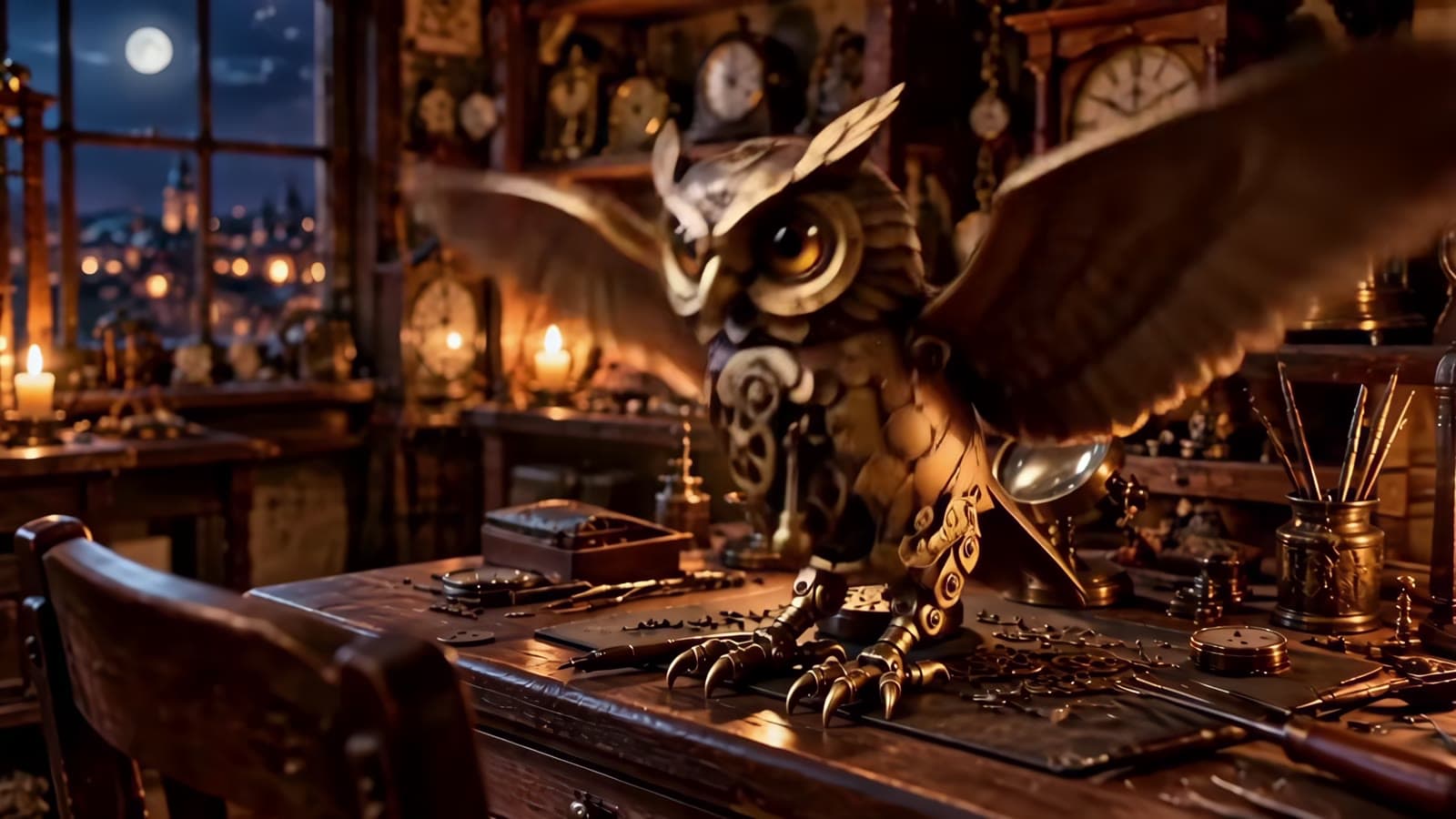
Vidu Q4 Preview Reference-to-Video Prompt Recipes: Copy-Paste Prompts With Real Outputs
Five copy-paste vidu-q4-preview reference-to-video prompts, each paired with the real clip it generated on hiapi — a single-reference quickstart, a 4K character-plus-location blend, a voice-reference presenter, a three-image product scene, and a vertical social loop. Reference-to-video blends 1–15 reference images (plus up to 3 optional audio clips) into one 3–16 second take at up to 4K — distinct from image-to-video, which animates a single first frame. The prompt habit that fixed blend drift: address each reference by its index number and give it a role (actor, set, prop). Voice reference is the reference_audio_urls field; the audio sets the timbre, the prompt still carries the words and lip-sync. Resolution is a flat per-second multiplier that doesn't touch the prompt — iterate at 720p, finalize the keeper at 4K.
Kling 3.0 Turbo vs Kling 3.0: Which Should You Use?
Turbo for one continuous move, a simple schema and built-in sound. Standard for the lowest per-second price, 4K, last frames or silent output. Standard cut to a second shot at 2.5 s in both tests.
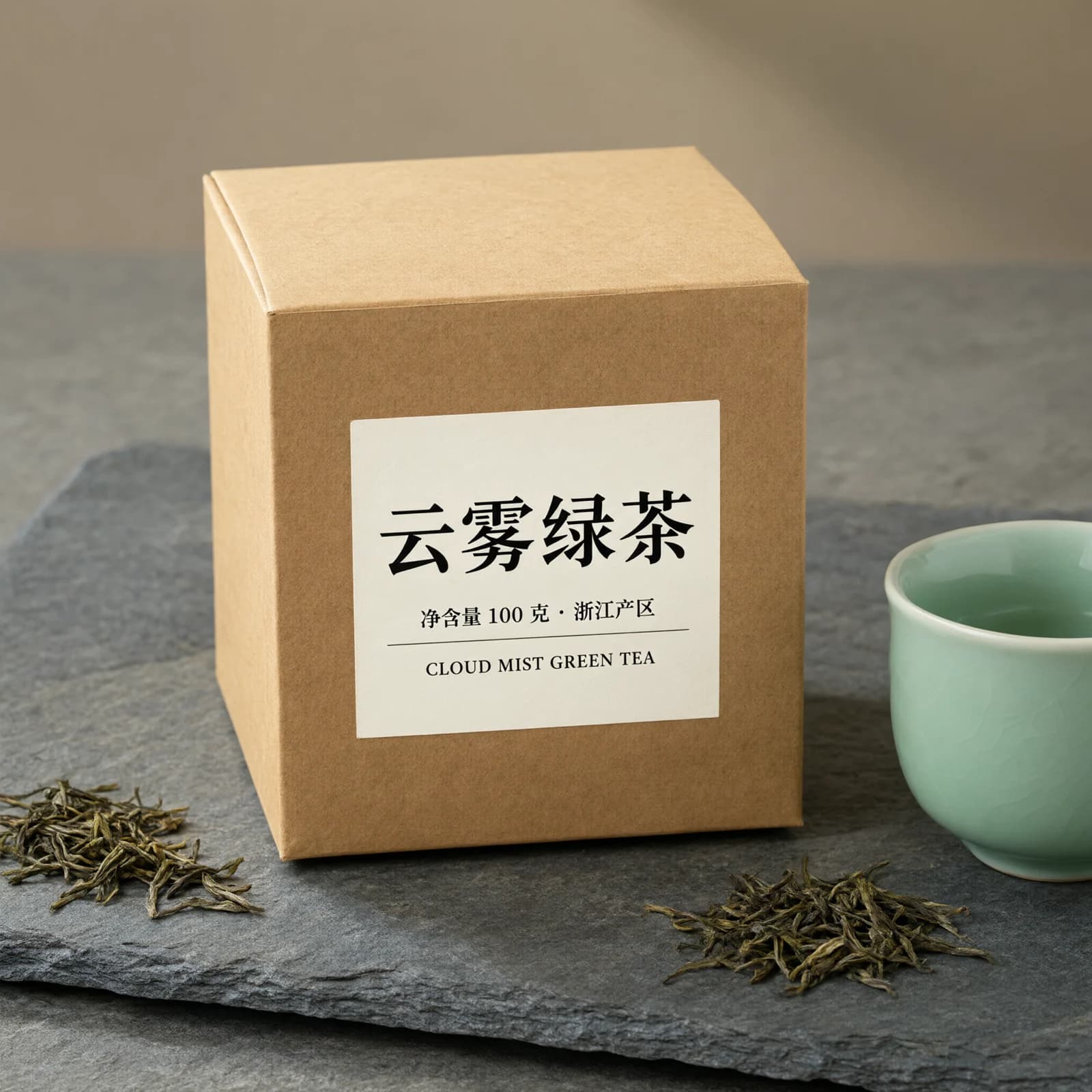
Qwen Image 3.0 vs Nano Banana 2.1: Which Writes Chinese Better?
Both wrote every Chinese and English word correctly. Qwen: bold, high-contrast type at a flat $0.0358 for 2K. NB 2.1: more atmosphere, 4K, $0.018 at 2K on sale.
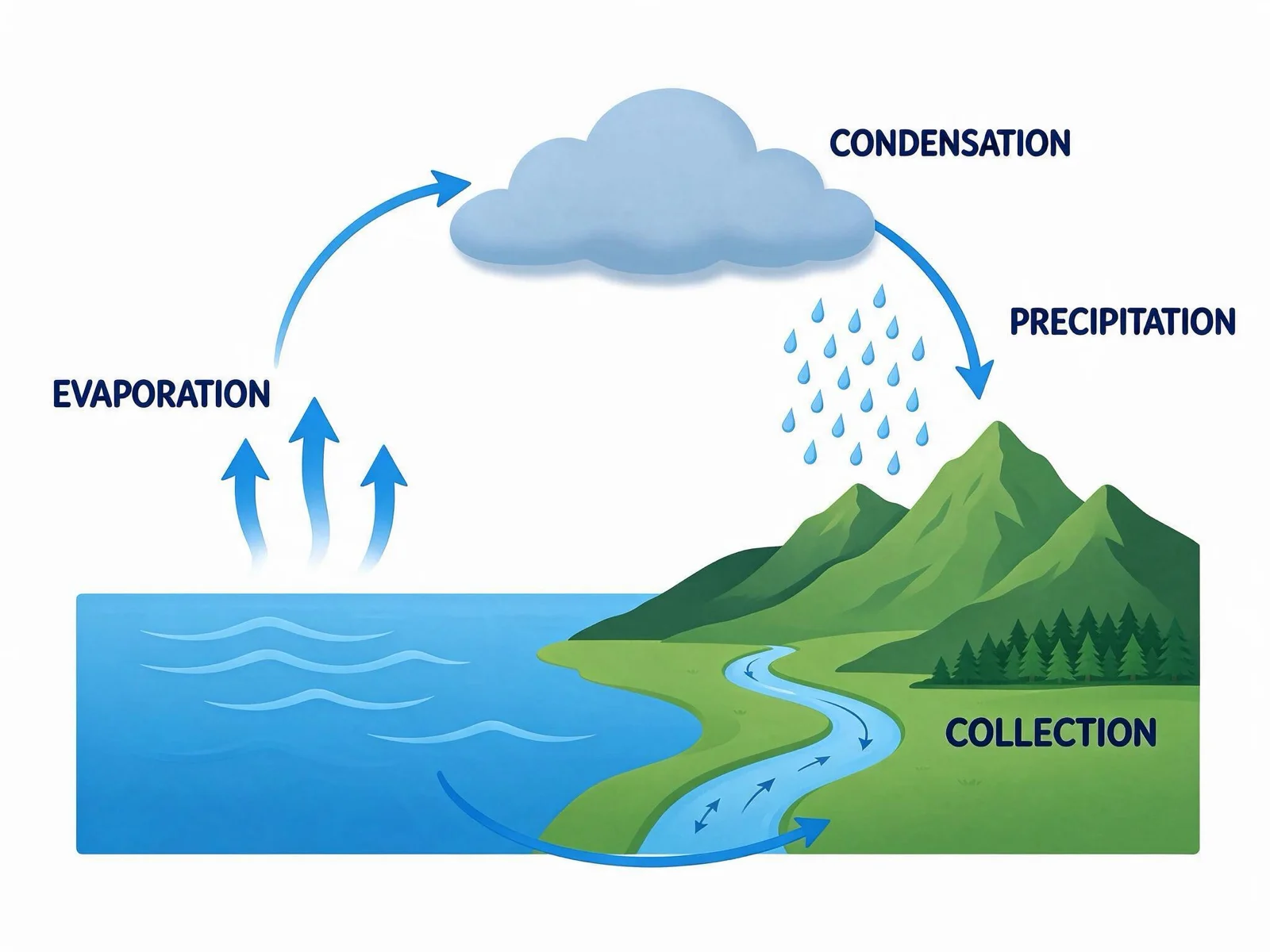
Seedream 5.0 Flash vs Lite: Which Should You Use?
Flash is a cent cheaper and takes exact pixel sizes. Lite adds 4K at the same price and up to 14 references. Both spelled every word right.
Wan 3.0 Prompts: 4 Ready-to-Use Video Templates with Real Outputs
Four scenarios: two text-to-video, one reference image, one first frame. Every clip is 480P, 5 seconds, with sound, $0.20. Each link opens the model page with the prompt filled in.
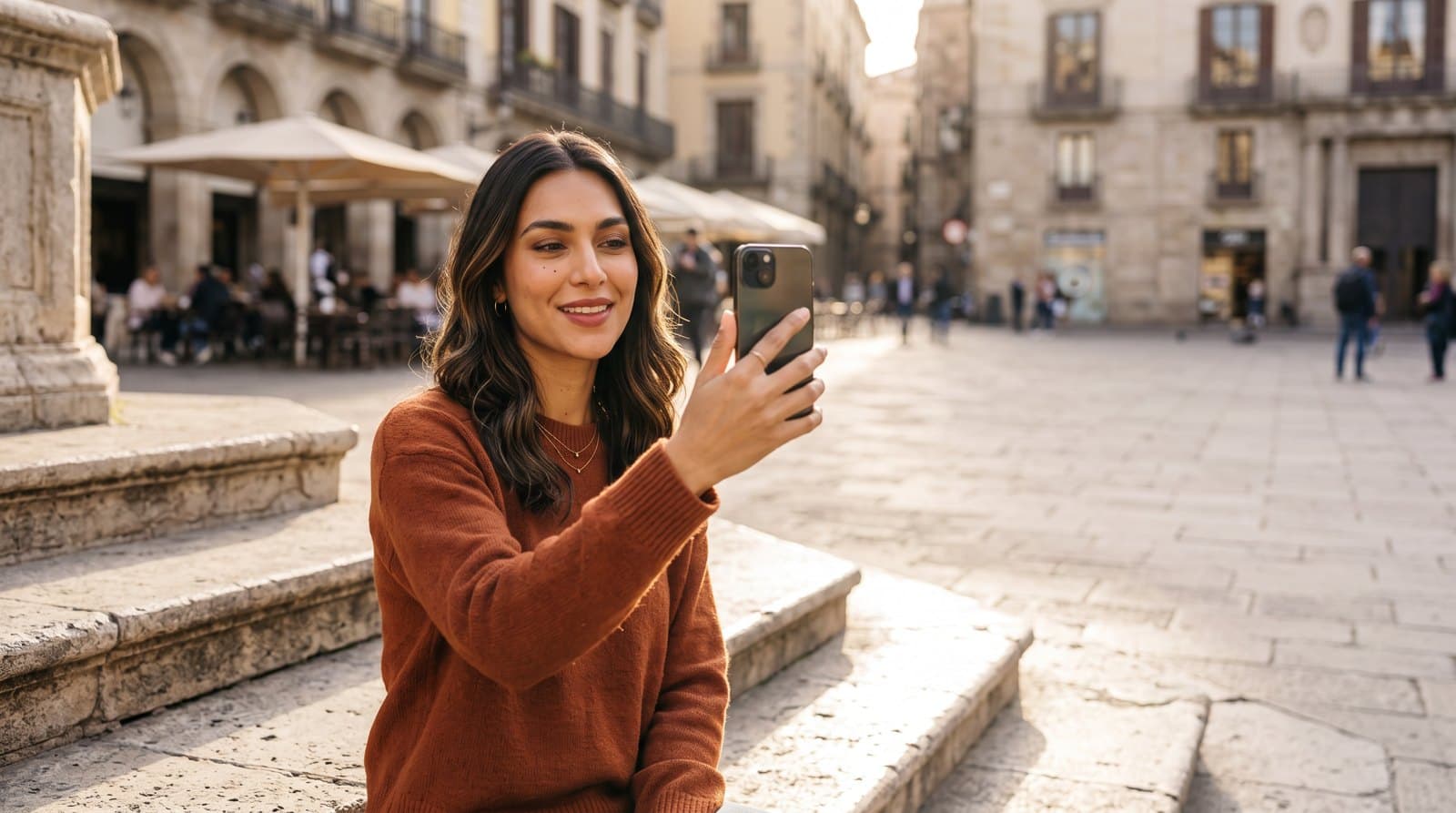
AI Instagram Model Generator: Build a Consistent Virtual Influencer on hiapi
An AI Instagram model generator is a three-stage pipeline on hiapi's /v1/tasks: create one persona, lock that face across scenes, then animate stills into short video. This guide locks identity with a reference image (image_input) instead of a text-only character bible — use it when you already have one approved face. Tested on nano-banana-2: one base portrait held the same face, hair, skin tone, and jewelry across a Paris cafe, a city crosswalk, and a rooftop gym. The video stage is real: the cafe still was animated into a 5s clip with grok-imagine-1.5/image-to-video; identity survived the motion. Whole post cost about $0.30 — four 2K nano-banana-2 images at $0.057 plus one 480p/5s reel at $0.015/s.
Build with the models you just read about.
Compare image, video, and audio models, then use the same API workflow in production.