Blog
AI Image & Video API Guides
Hands-on model tests, production tutorials, prompt techniques, and current API pricing for generative media teams.
Seedream 5.0 Flash vs Lite: Which Should You Use?
Flash is a cent cheaper and takes exact pixel sizes. Lite adds 4K at the same price and up to 14 references. Both spelled every word right.
Wan 3.0 Prompts: 4 Ready-to-Use Video Templates with Real Outputs
Four scenarios: two text-to-video, one reference image, one first frame. Every clip is 480P, 5 seconds, with sound, $0.20. Each link opens the model page with the prompt filled in.

AI Instagram Model Generator: Build a Consistent Virtual Influencer on hiapi
An AI Instagram model generator is a three-stage pipeline on hiapi's /v1/tasks: create one persona, lock that face across scenes, then animate stills into short video. This guide locks identity with a reference image (image_input) instead of a text-only character bible — use it when you already have one approved face. Tested on nano-banana-2: one base portrait held the same face, hair, skin tone, and jewelry across a Paris cafe, a city crosswalk, and a rooftop gym. The video stage is real: the cafe still was animated into a 5s clip with grok-imagine-1.5/image-to-video; identity survived the motion. Whole post cost about $0.30 — four 2K nano-banana-2 images at $0.057 plus one 480p/5s reel at $0.015/s.
InfiniteTalk API Alternative: Lip-Synced Talking Avatars with hiapi's heygen-avatar-v
InfiniteTalk is an open-weights, audio-driven video model you self-host or reach through a third-party reseller; hiapi's heygen-avatar-v is a managed API for the same end product — a lip-synced talking video — at a flat $0.15/sec. The real divergence: InfiniteTalk re-dubs an existing video (identity, background, and camera preserved) at unlimited length; heygen-avatar-v generates from 497 preset avatars and does not re-sync your own footage. If your goal is a talking clip from a script or an audio file — not hosting a diffusion model — heygen-avatar-v delivers it behind one key, with no GPUs and no reseller in the path. heygen-avatar-v accepts either a text script (102 built-in voices) or your own audio_url for lip-sync, with 720p/1080p/4k output, six aspect ratios, and sidecar SRT captions.

Grok Imagine API Pricing: From $0.03 per Image and $0.015 per Second
Grok Imagine on HiAPI is pay-per-call: images bill per image (from $0.03) and videos bill per second (from $0.015), with no subscription and no minimum spend. Image endpoints run $0.03 to $0.10 per image; video endpoints are $0.015/s at 480p and $0.0282/s at 720p, so a 6-second 480p clip is about $0.09. Resolution behaves differently per endpoint: base text-to-image and Image 2.0 are one flat price at 1K and 2K, while the Quality tier charges more at 2K. Failed tasks are refunded and the 200 sign-up credits ($0.10) cover your first few images, so you can price-test each endpoint before committing. Your monthly bill is calls x unit price; the budget tables turn 100 / 1,000 / 10,000 runs into dollar figures.
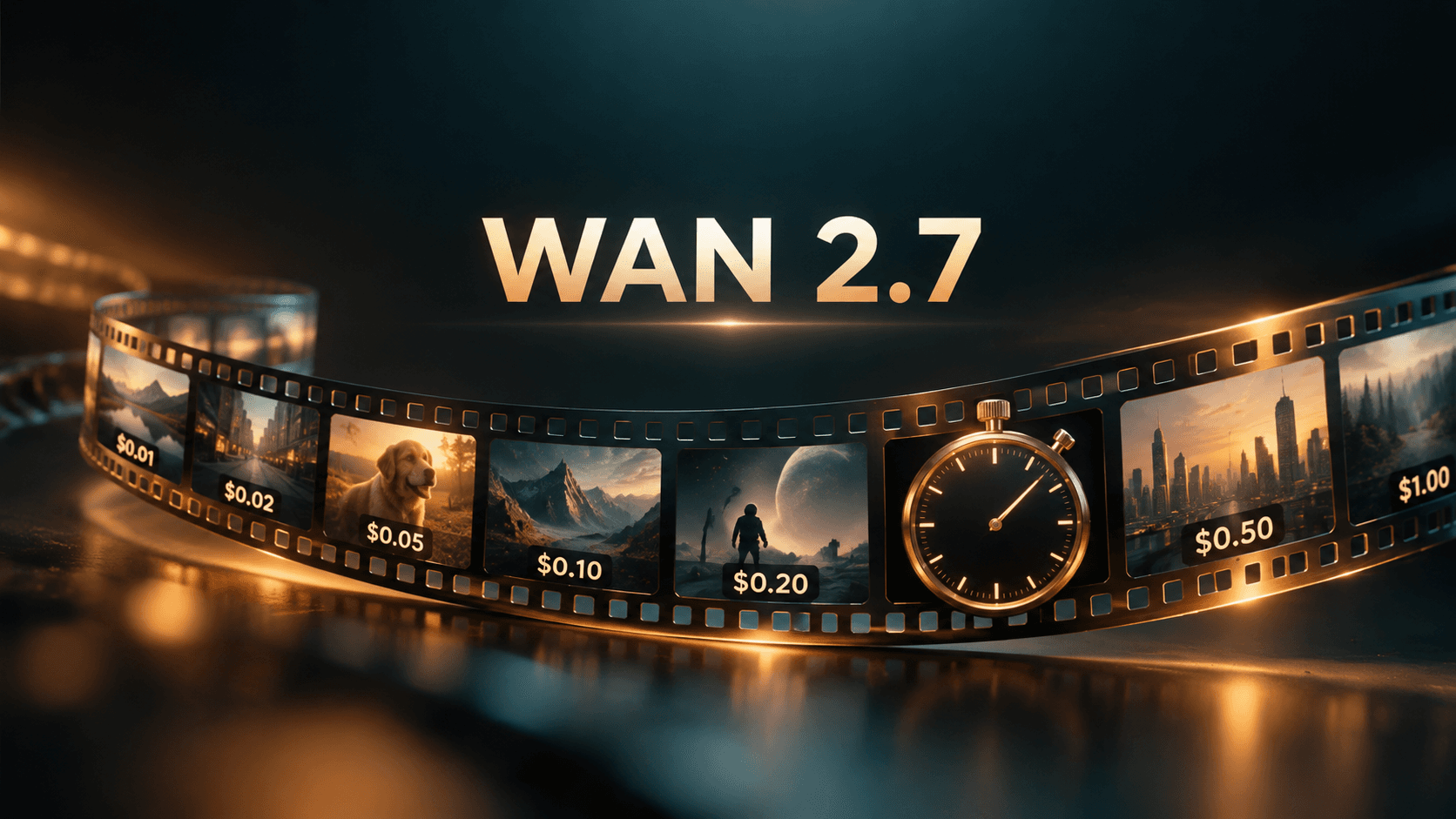
Wan 2.7 API Pricing: $0.10 per Second, $0.08 per Image
Wan 2.7 bills pay-as-you-go on HiAPI — per second for video, per image for stills, with no subscription or per-token math. Video (text-to-video and image-to-video) is $0.10 per second at 720P and $0.167 at 1080P, for clips of 2–15 seconds. Text-to-image is a flat $0.08 per image up to 4K — one rate, no resolution tier. Resolution and clip length are your two cost dials; draft at 720P and finalize at 1080P to cut spend on everything you discard. Free starter credits, failed tasks are not billed, and one key calls all three endpoints via the async /v1/tasks API.

gpt-6.1-sol Prompt Recipes: Coding, Reasoning, JSON and Tool Calls With Real Outputs
gpt-6.1-sol is a reasoning text model on hiapi's Responses API; these are copy-paste prompts for coding, reasoning, strict JSON, and tool calls, each shown with the exact output it returned this run. You can't set temperature or top_p — behaviour is shaped entirely by instructions, the input array, and reasoning.effort. reasoning.effort has five levels (low, medium, high, xhigh, max); raising it buys more thinking tokens, which bill as output, but it plateaus on easy problems. Strict JSON (json_schema) and tool calling with result continuation both work on /v1/responses — full request bodies included.

Kling 3.0 Turbo vs Seedance 2.5 vs Wan 3.0: Which Video Model Should You Use?
Wan 3.0 Video has the lowest listed 720p price in this table at $0.08/second; Kling 3.0 Turbo fits a short Kling-specific route with built-in sound. Seedance 2.5 text-to-video and image-to-video support clips up to 30 seconds with synchronized audio, at $0.204/second for 720p. Wan 3.0 Video accepts reference video, images, audio, files, and webpages; Prime is the accelerated route and currently does not accept reference video.
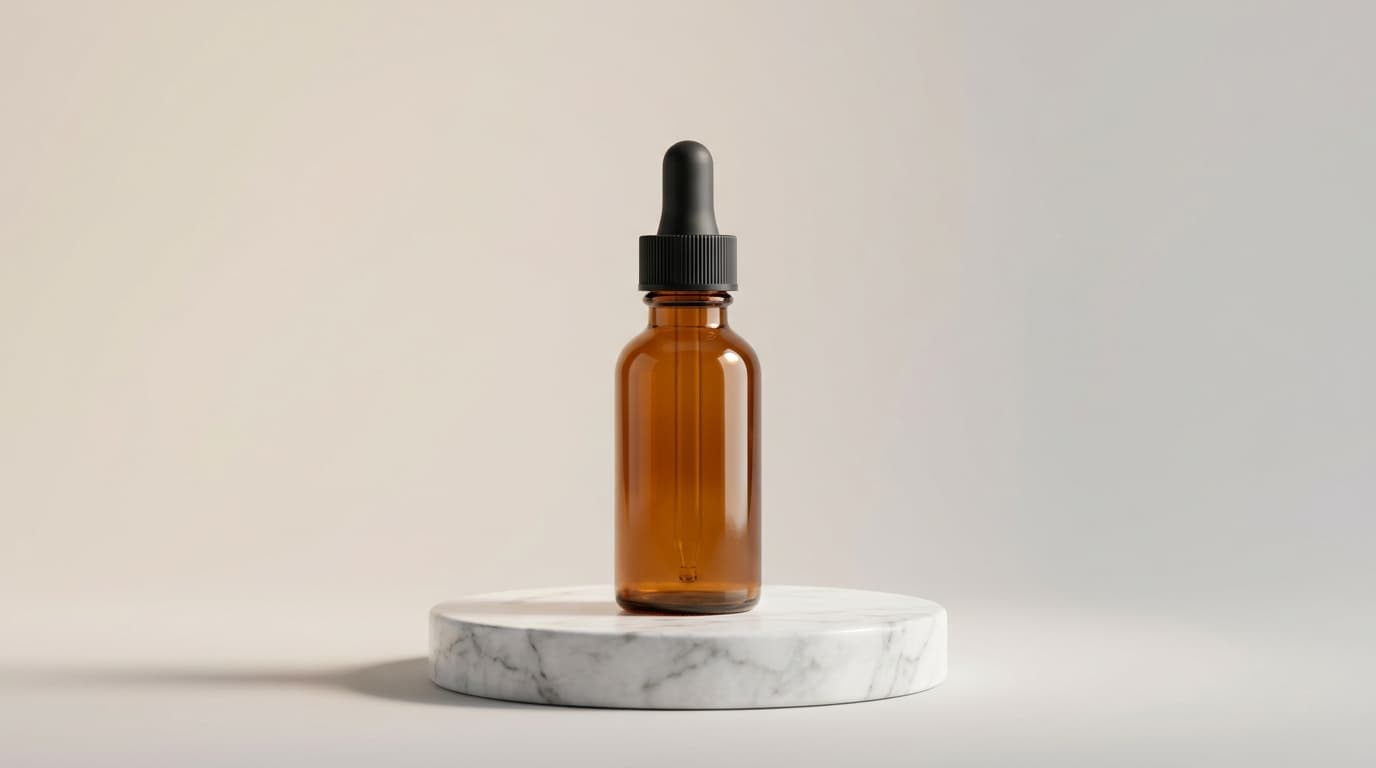
Gemini Nano Banana 2.1 for E-Commerce Product Images: A Hands-On Guide
Use independent text-to-image prompts for catalog and lifestyle concepts. Use a real product reference when shape and packaging must stay fixed. The tested 1K / 16:9 edit changes the scene while broadly retaining the bottle.

Migrating from Nano Banana 2 to 2.1: What Changes in the API
Change the model value from nano-banana-2 to gemini-nano-banana-2.1. Keep the asynchronous task endpoint and recheck reference-image limits. Use the tested T2I and i2i request shapes, then check live billing separately.
Build with the models you just read about.
Compare image, video, and audio models, then use the same API workflow in production.