Blog
AI Image & Video API Guides
Hands-on model tests, production tutorials, prompt techniques, and current API pricing for generative media teams.

Using lyria-3.5 for E-Commerce Ad Music (Not Product Images)
lyria-3.5 is a text-to-music model — it cannot generate product images, despite what a keyword search might suggest. hiapi's own model description names 'ads' as an intended use case, making e-commerce ad/video soundtracks the right scenario. A real generation (prompt, request, response, and the actual .m4a output) costs $0.09 and takes about a minute. Schema is narrow: prompt or lyrics, nothing image- or video-related — pair it with an image model like gpt-image-2 for visuals. Treat each $0.09 generation as a draft; generate a few variants per prompt rather than perfecting one shot.

How to Use lyria-3.5 via the hiapi API: curl, Python, and a Working Request
A working curl and Python walkthrough for lyria-3.5, hiapi's text-to-music model. Covers the full six-field input schema (prompt, lyrics, title, bpm, length, seed), callbacks, and error handling for production use.

Multi-Angle Image-to-Video Prompting with minimax-h3-max via the hiapi API
The documented minimax-h3-max input fields are prompt, first_frame_image, last_frame_image, duration, resolution, and aspect_ratio; camera directions belong in prompt. Multiple camera angles come from describing numbered shots inside the prompt itself ("Shot 1 - wide: ... Cut to Shot 2 - close-up: ..."), optionally anchored by a first_frame_image. The Python example validates task creation, polls success/fail with a deadline, and prints the video URL and its Unix-seconds expireAt. Production guidance covers callbacks vs polling, taskId-based callback deduplication, and the real 400/401 error shapes to handle.

GPT Image 2.5 Sunburst Text-to-Image API: A Working curl and Python Guide
gpt-image-2.5-sunburst/text-to-image runs on hiapi's standard async task API: POST /v1/tasks, poll or callback, read output[0].url. Its input schema is small and strict: prompt (required) plus optional resolution (1K/2K/4K), aspect_ratio (13 values), and background — no quality, size, or n. It's a different schema from the bare gpt-image-2.5-sunburst model, which uses quality tiers instead of resolution and supports image-to-image editing. Use a callback (when: "final") instead of polling for server-side integrations, and pass idempotency_key to safely retry POSTs. 401s return a structured permission_denied error; bad input returns 400 before any task (and any charge) is created.

How to Use gpt-image-2.5-flare@pro via the hiapi API: curl, Python, and a Working Request
Complete curl and Python walkthrough for generating images with gpt-image-2.5-flare@pro on hiapi's unified async task API. Covers the exact input schema (prompt, aspect_ratio, quality, output_format, background) confirmed against the live API. Includes production patterns: callbacks, idempotency keys, and handling 401/400 errors.
How to Use gpt-image-2.5-sunburst@pro via the hiapi API: curl, Python, and a Working Request
gpt-image-2.5-sunburst@pro is a distinct route from the base model — call it with the literal model id `gpt-image-2.5-sunburst@pro`. Pro mode accepts an optional `image_urls` array, so the same endpoint handles both text-to-image and image-to-image. Every hiapi model shares one task lifecycle: POST /v1/tasks, then poll GET /v1/tasks/:id or use a callback. Covers idempotency keys, callback vs. polling, and the 401 permission_denied auth-error shape for production use.

Using DeepSeek V4.1 Flash for E-commerce Product Images via the hiapi API
DeepSeek V4.1 Flash is a text-only model — it can't generate the product photos, but it writes everything around them. It supports both /v1/chat/completions and /v1/responses natively, so it slots into whichever integration you already have. Use json_object mode on Chat Completions or json_schema on Responses to turn spec sheets into structured listing copy at scale. Pricing is flat with no tier cliff: $0.44/1M input and $1.32/1M output tokens, with a cheap $0.014/1M cached-input rate. Pair this with an image model like GPT Image 2 for the visual side of the same product listing.

Minimax H3 Max Short-Form Video: Text-to-Video Tested via the API
Minimax H3 Max generates 5-15 second videos from a text prompt via hiapi's /v1/tasks API, priced per output second. Text-only generation uses the default landscape canvas; the historical 480P sample is 832×480. A single ffmpeg blur-pad pass converts the landscape output into a clean 9:16 vertical clip with no cropping. 480P runs $0.072/sec and 768P runs $0.115/sec; a 6-second request budgets $0.432 or $0.69 respectively.
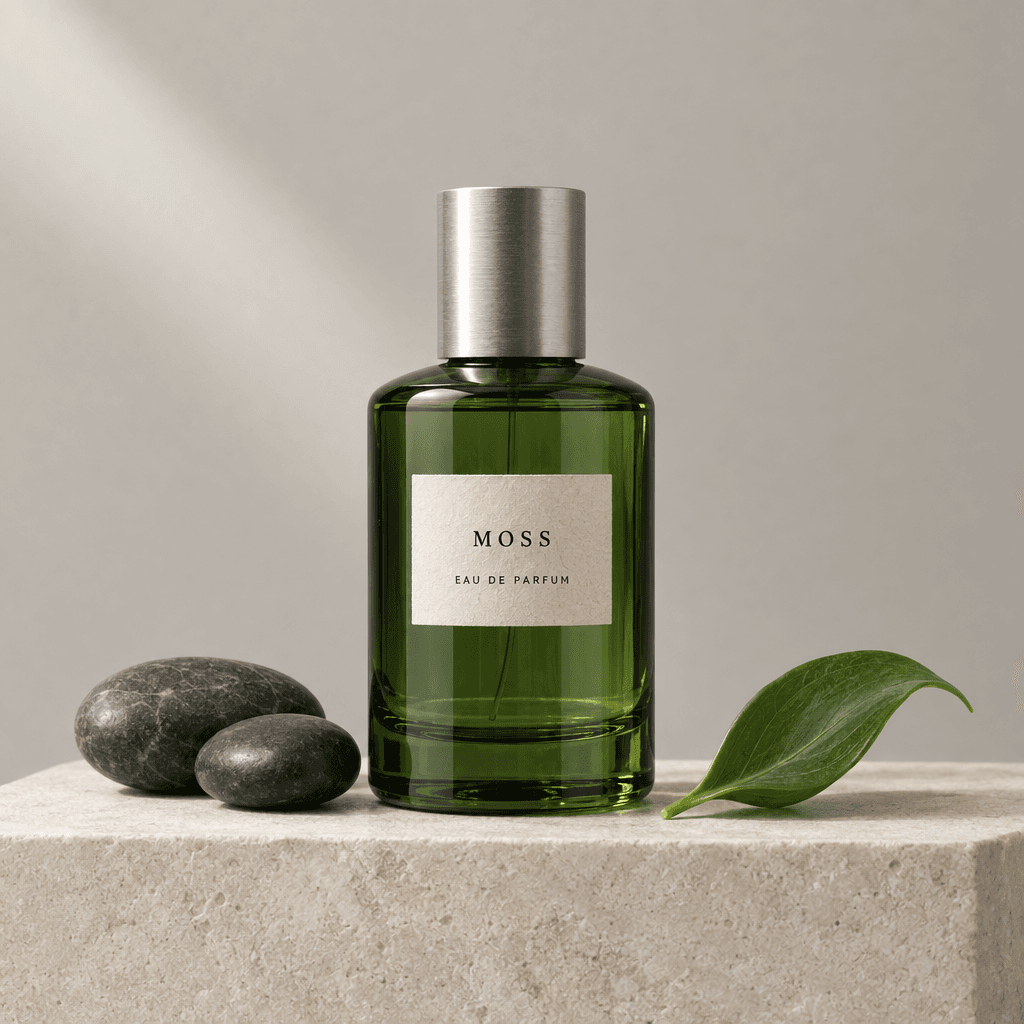
gpt-image-2.5-flare for E-Commerce Product Images: A Batch Workflow With the hiapi API
gpt-image-2.5-flare on hiapi generates and edits e-commerce product photos with one model ID — studio shots from a prompt, background swaps and lifestyle staging from an existing photo — and this guide shows the batch pattern for running it across a whole catalog via the async /v1/tasks API.

How to Edit Videos with AI Using flux-3 via the hiapi API
flux-3 (FLUX.3 Video) 'edits' video via continuation (start_video) — extending an existing clip's motion/camera/sound — or via multi-image keyframe storyboards, not timeline trim/cut/mask editing. Covers the real /v1/tasks create+poll request for both input modes, plus callbacks, idempotency, and 401 error handling.
Build with the models you just read about.
Compare image, video, and audio models, then use the same API workflow in production.