Blog
AI Image & Video API Guides
Hands-on model tests, production tutorials, prompt techniques, and current API pricing for generative media teams.

HeyGen Avatar V API Pricing: $0.15 per Second
HeyGen Avatar V costs $0.15 per output second on HiAPI, or $1.50 for ten seconds. Avatar V uses that rate at 720p, 1080p and 4k; Avatar IV has the same per-second price. An estimate is held at task creation and settled to actual output seconds; failed tasks are fully refunded, and $10 buys about 66 seconds. The Daniel sample runs about eight seconds, a budget of about $1.20 at the listed rate; 300 ten-second clips budget to $450.
HeyGen Avatar V API: From Script to Video
HeyGen Avatar V is live on HiAPI: choose a preset presenter and use a script or recording to generate video at $0.15 per output second. avatar is required; use exactly one of prompt or audio_url. Script links fill only the script, so choose the remaining settings manually. Save data.taskId, query until success or fail, and select video and caption artifacts by output[].type.
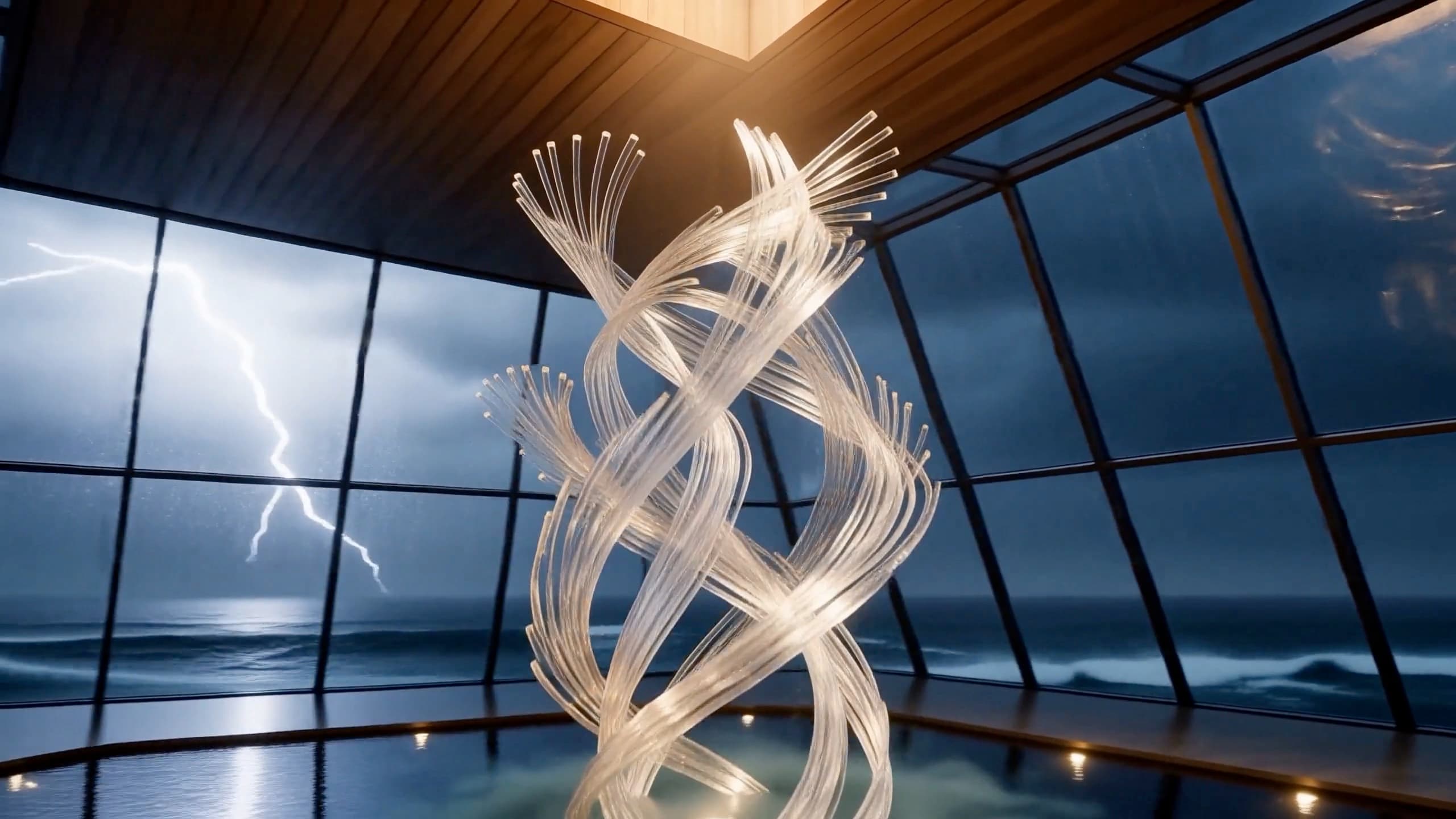
MiniMax H3 Prompts: 4 Video Examples to Try
Four examples pair full prompts with videos and original settings for coffee shops, florists, architecture and atmosphere shots. H3 latte and pavilion requests use 5 seconds at 2K; H3 Max uses 6 seconds at 768P for flowers and 5 seconds at 768P for the boat. H3 latte output is portrait at 1440×2560; the Max bouquet request specifies 9:16 but produces 1344×768 landscape.
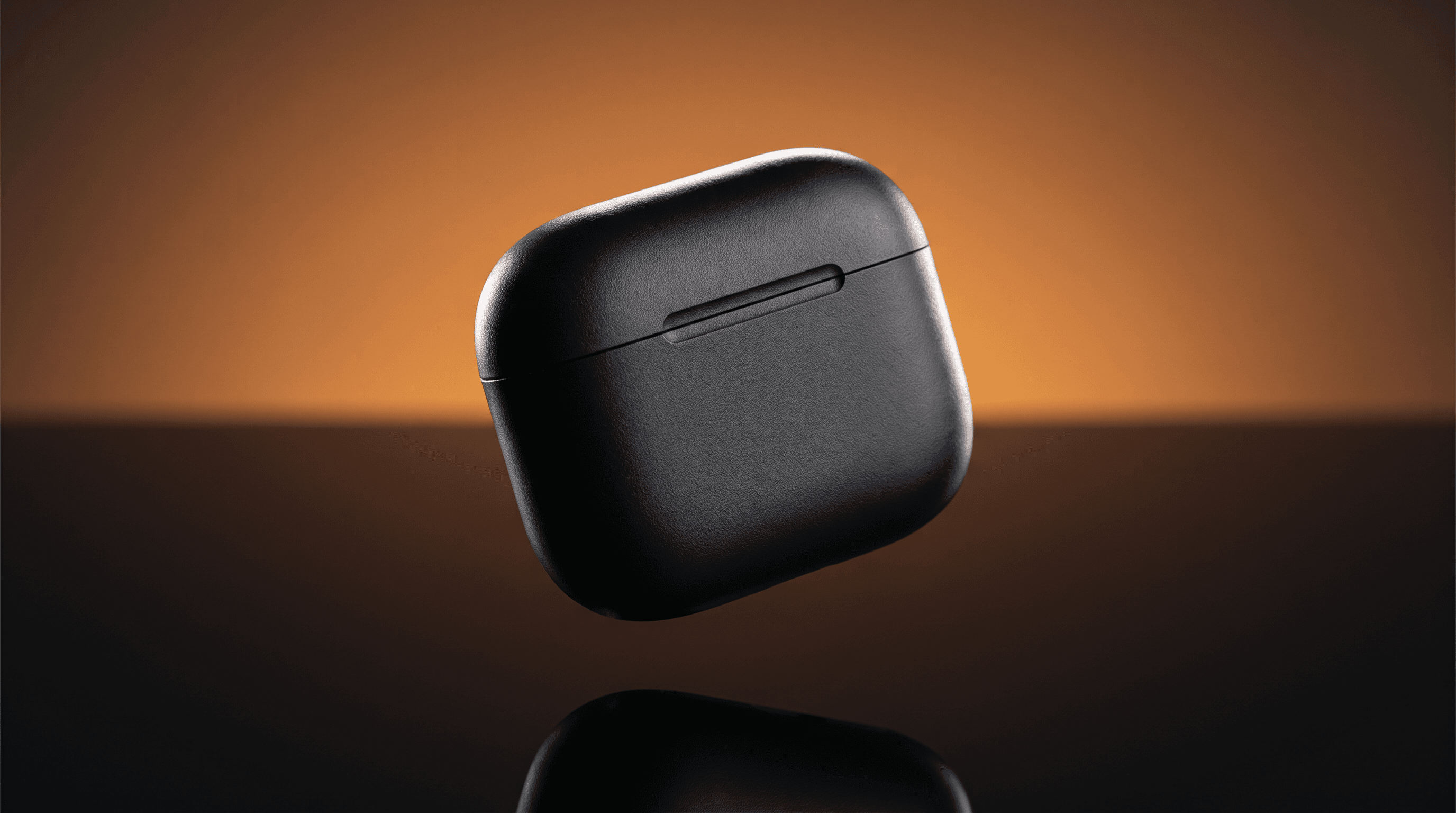
Nano Banana Pro Prompts: 4 Ready-to-Use Templates with Real Outputs
Four everyday use cases, each with an unedited Nano Banana Pro output, its settings and the full prompt, plus a link that opens the model page with the prompt filled in. For posters and signs, quote every line of copy or write exact headline: the headline, date and shop name all came out right. For product shots, spell out counts, arrangement and direction, then check direction and angle before publishing.

Grok Image 2.0 API Pricing: $0.052 per Image, Same Price at 2K
Grok Image 2.0 on HiAPI is billed per image: $0.052 for text-to-image and $0.065 for image-to-image, with 1K and 2K at the same price. $10 covers about 192 text-to-image or 153 image-to-image runs, and the 200 sign-up credits cover your first image. At standard rates, text-to-image at 2K is 48% below Grok Imagine Quality and Seedream 5.0 Pro, and 35% below Flare. During the 50% offer, Flare and Nano Banana 2 cost less at 1K and 2K.

Nano Banana 2 Prompts: 5 Ready-to-Use Templates with Real Outputs
Five everyday scenarios, each with a real Nano Banana 2 output, its settings and the full prompt, plus a link that opens the model page with the prompt filled in. The product scene and model shot both use one white-background reference image, with this exact ... unchanged and a feature list holding the product steady. Each template explains what to change for your own product or event, with reference-image requirements and suggested settings.
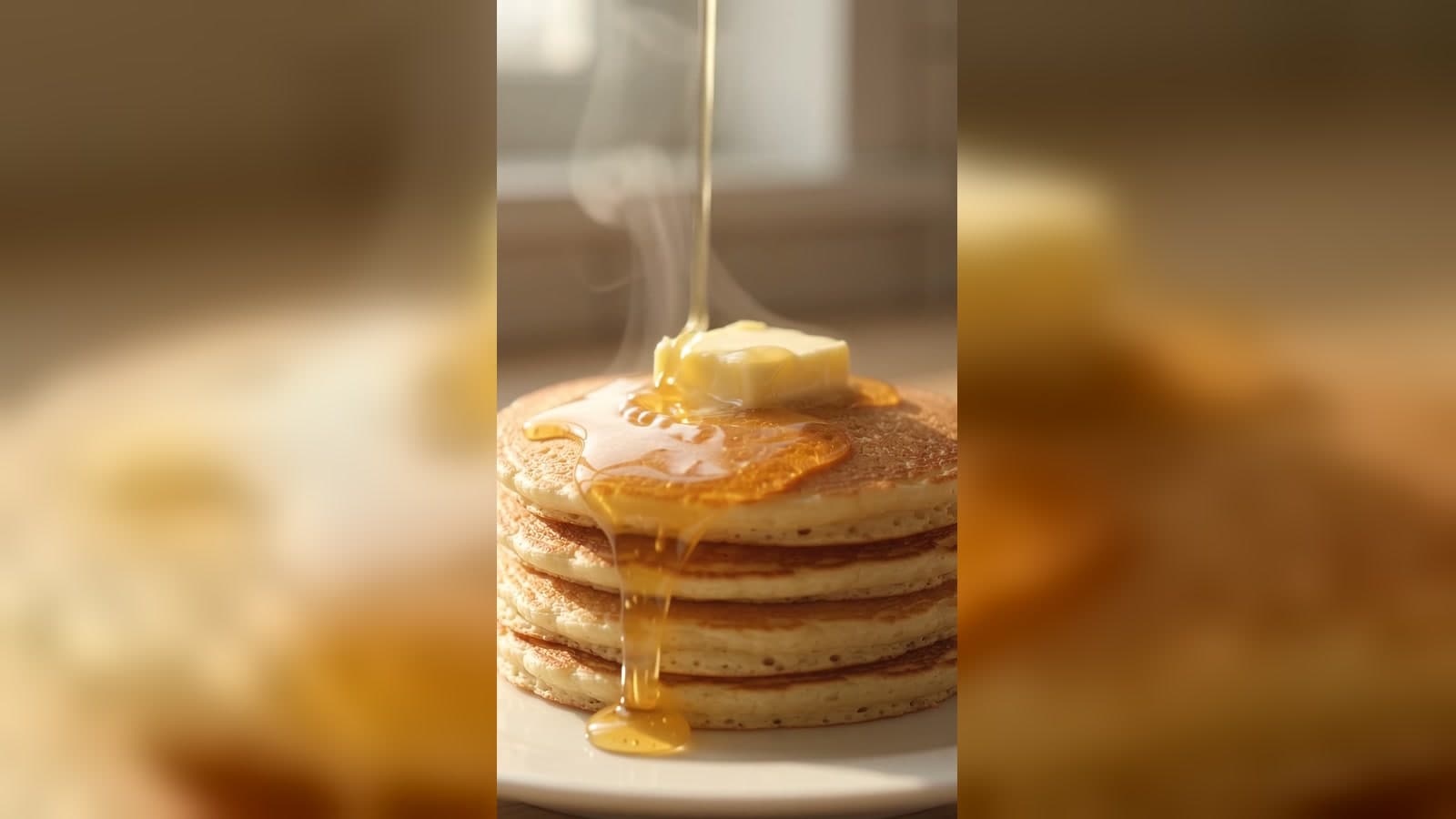
gemini-omni-1.1-flash for Short-Form Video via the hiapi API
gemini-omni-1.1-flash turns one text prompt into a finished 9:16 short-form clip with native ambient audio in a single async hiapi task — no separate audio pass. Pricing is flat per clip, not per second: 360p, 720p and 1080p all cost the same at a given length ($0.45/4s, $0.60/6s, $0.75/8s, $0.90/10s) — only 4K costs more. That flat curve makes 1080p effectively free quality, so the move is to render every draft at full resolution and treat duration as the only cost lever. One model ID also covers reference-image, first/last-frame and video-to-video modes, so the same key scales from a single hook to a full content set.
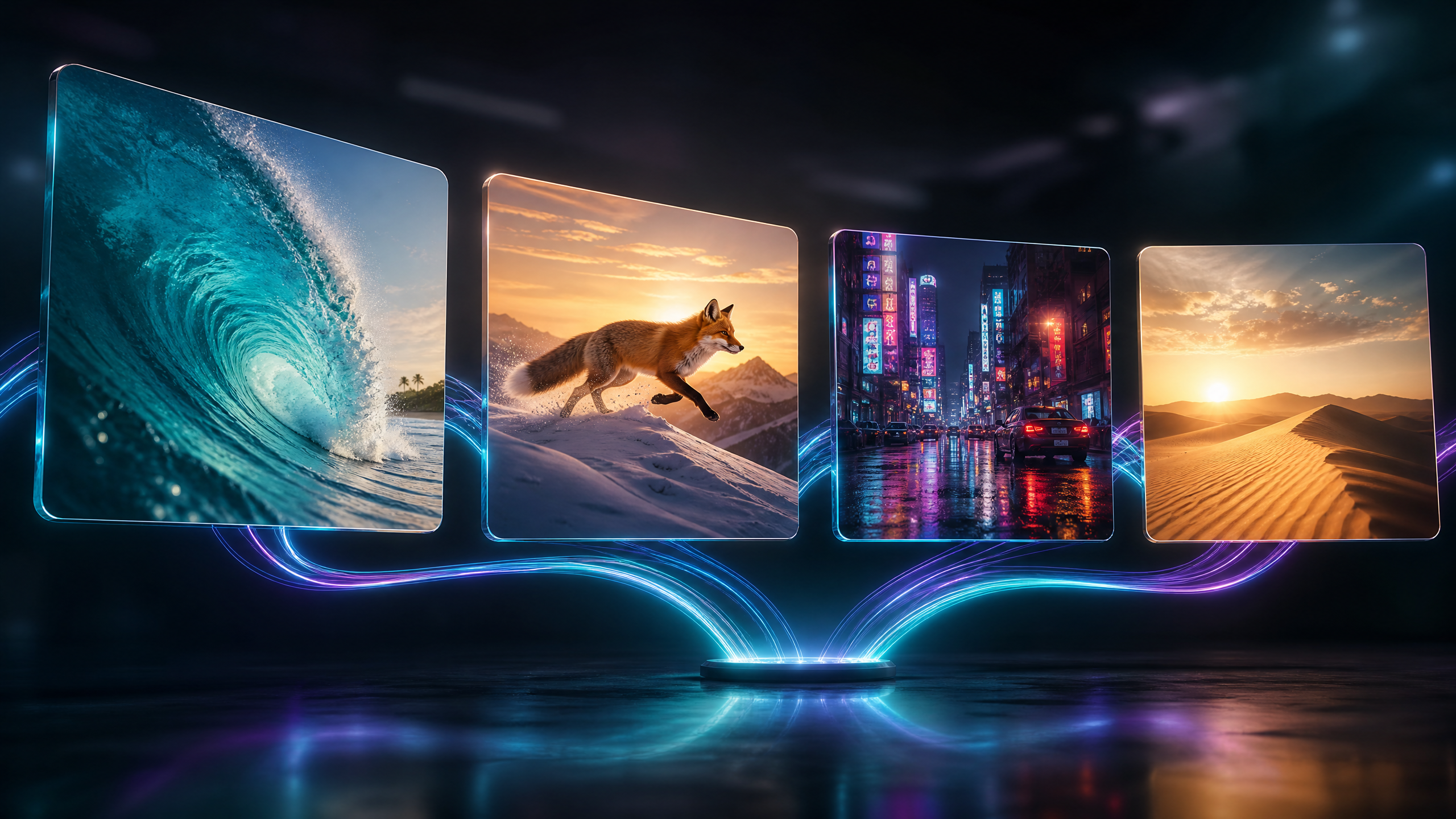
Gemini Omni 1.1 Flash Alternative: Veo 3.1, Kling 3.0 Omni & Seedance 2.5 Compared
Gemini Omni 1.1 Flash runs on hiapi, but Veo 3.1, Kling 3.0 Omni, and Seedance 2.5 each beat it on a different axis — cost, clip length, or 4K fidelity. Full per-clip pricing, native-audio support, resolution and aspect-ratio options, and a one-key /v1/tasks workflow to benchmark all four.
GetImg AI API Alternative: How hiapi's flux-2, Nano Banana 2, and z-image Compare
GetImg and hiapi are both pay-as-you-go aggregator APIs with self-serve keys and overlapping model catalogs, so the real decision is price-per-model and switching cost, not which one is 'good'. In a same-prompt text-rendering test, flux-2 and Nano Banana 2 spelled the chalkboard sign correctly; z-image misspelled one word ('loaf' rendered as 'loap'). In a prompt-adherence test ('exactly three beans'), all three models respected the count; flux-2 was the most precise and Nano Banana 2 the most photoreal. Pricing: z-image is $0.008/image (below GetImg's ~$0.015 API floor), Nano Banana 2 from $0.036, and flux-2 from $0.0375 - all pay-as-you-go through one key. Every hiapi image and video model uses one async /v1/tasks contract, so switching models or providers is mostly a one-line change.

Recraft V4 Alternative: Typography-First Image Generation on hiapi
For a Recraft V4 alternative aimed at typography-first design, hiapi gives you two models on one key: ideogram-v4 (the in-image text specialist, $0.05-$0.17/image across three speed tiers) and flux-2 (high-fidelity generalist, $0.0375-$0.125/image). We ran the identical poster prompt through both: ideogram-v4 rendered every line exactly (headline, subtitle, date, venue, fine print); flux-2 produced a bolder headline but misspelled one fine-print word ('Pavilion' came back 'Paviblion'). Rule of thumb from the test: pick ideogram-v4 when the words must be correct (posters, logos, labels, multi-line layouts); pick flux-2 when photoreal fidelity or graphic punch leads and the text is short. Pricing is per-image and pay-as-you-go, with no monthly credit bucket: ideogram-v4 trades cost for polish via TURBO/BALANCED/QUALITY, flux-2 via 0.5-4 MP resolution. Both run through the same POST /v1/tasks endpoint as the rest of hiapi's models, so there's no separate design-tool subscription, account, or credit system to manage.
Build with the models you just read about.
Compare image, video, and audio models, then use the same API workflow in production.