Blog
AI Image & Video API Guides
Hands-on model tests, production tutorials, prompt techniques, and current API pricing for generative media teams.
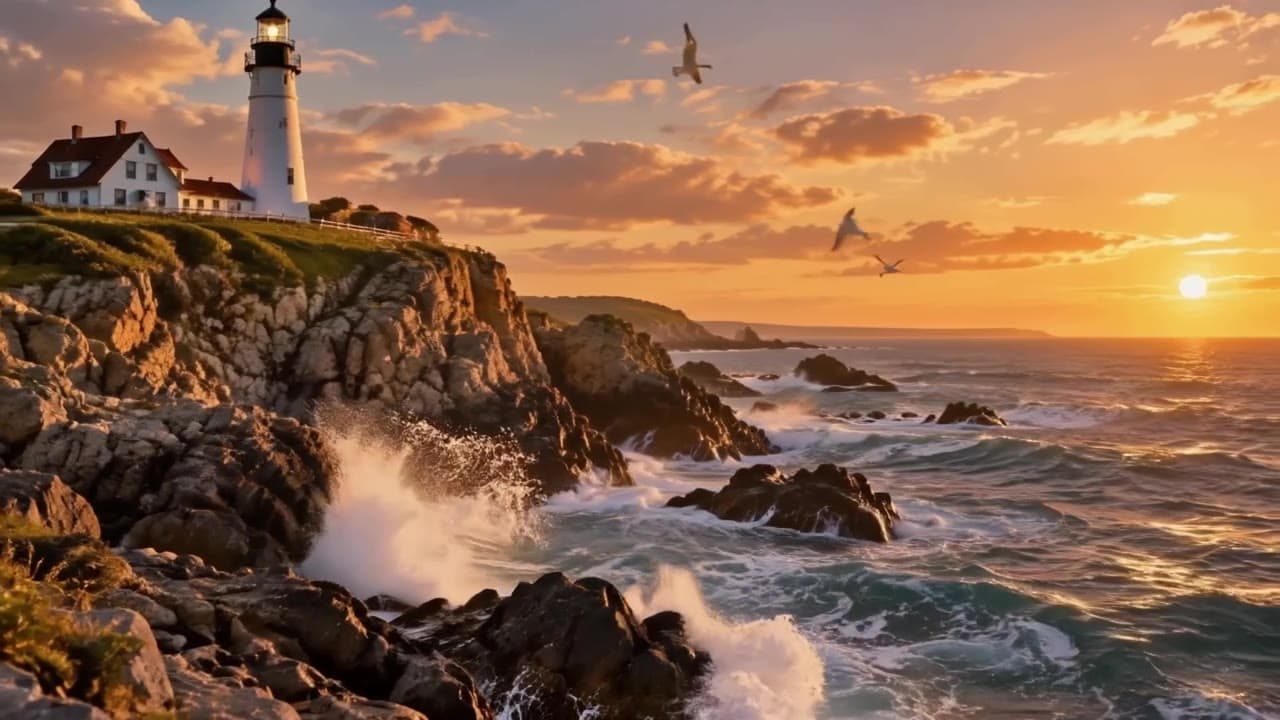
How to Use LTX 2.5 Fast Image-to-Video API: Animate Your Stills
ltx-2.5-fast/image-to-video takes one first frame (optionally a last frame) and returns a 2–20 second video with native audio. Output aspect follows aspect_ratio — match it to the first frame; pricing matches text-to-video. First+last frame mode fills the transition (day to night) from two images and one line.

LTX Image-to-Video Prompts: 4 Templates with Real Clips
Four scenes, all real clips: a lighthouse push-in, a cabin day-to-night (first+last frame), a silent vertical pottery close-up, and a perfume orbit. Each scene lists the input frames, the prompt, and a pre-fill link. $0.215 for 5 s at 720p and $0.258 for 6 s; match the aspect to your first frame.
LTX 2.5 Fast vs Grok Imagine 1.5 Lite: Which Should You Use?
720p ties at $0.043/s; 1080P forks — LTX $0.086 versus Grok Lite $0.2 (~2.3×), $0.57 apart on a 5-second clip. Two same-prompt pairs: a sneaker ad and an alpine flyover (both sides 720p, 5 s, 16:9, $0.215). LTX mutes for free with 12 durations; Grok Lite ships sound with any integer 1–15 s and a 480P tier.
How to Use LTX 2.5 Fast Text-to-Video API: First Clip in 5 Minutes
ltx-2.5-fast/text-to-video turns a prompt into a 2–20 second video at 720p/1080p, landscape or vertical, with native audio. Per-second pricing: $0.043 at 720p ($0.258 for 6 s) and $0.086 at 1080p; the audio switch is free. duration takes 12 enumerated values (2–20 s, no 7 or 9); fixed 25fps MP4.
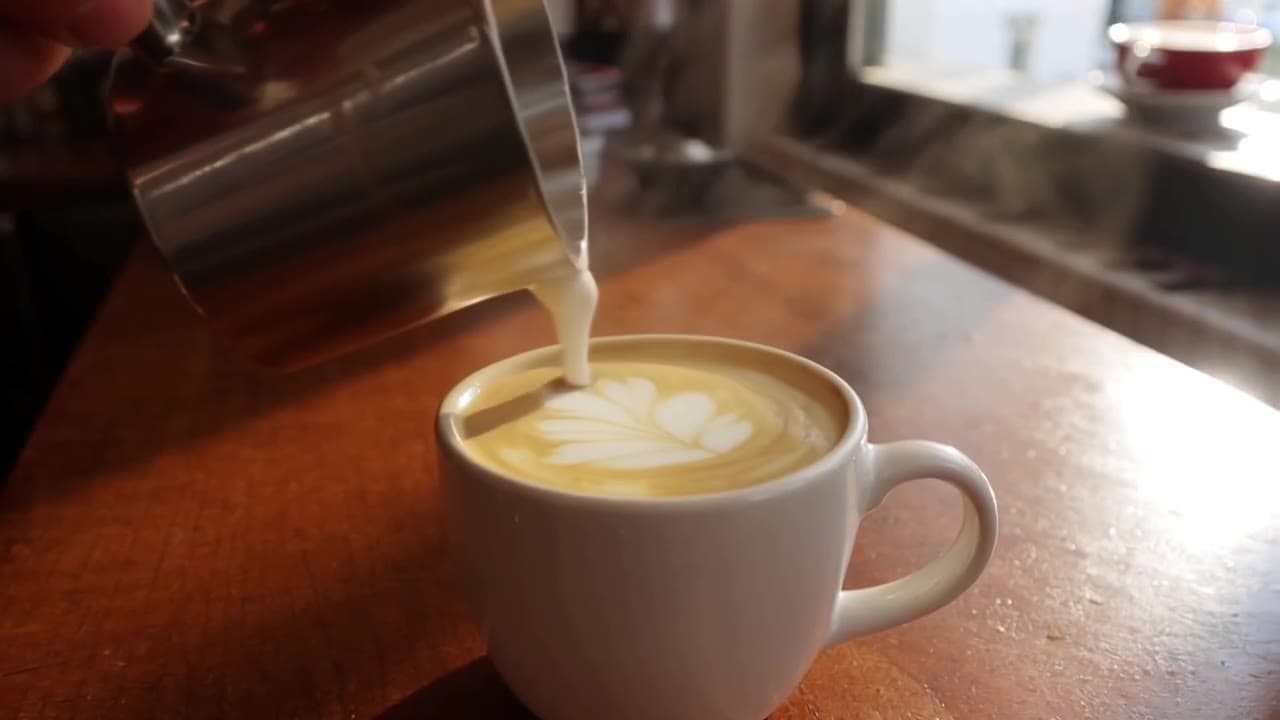
LTX Text-to-Video Prompts: 4 Templates with Real Clips
Four scenes, all real clips: a latte-art close-up, a sunset skate tracking shot, a slow-mo sneaker ad, and a glowing-forest previz. Each prompt packs scene, motion, camera, and sound into one line; links pre-fill it. $0.258 for 6 s at 720p and $0.215 for 5 s; 1080p runs about twice the per-second rate.
LTX 2.5 Fast API Pricing: $0.043/s at 720p
Text and image endpoints share pricing: $0.043/s at 720p ($0.258 for 6 s) and $0.086/s at 1080P; the audio switch is free. Two real aerial clips compare 720p and 1080P sharpness (different prompts, stated). Twelve enumerated durations (2–20 s); $10 buys about 38 clips (720p, 6 s).

How to Use Recraft Creative Upscale API: curl, Python and a Real Run
recraft/creative-upscale enlarges an image and redraws texture and detail; the body is just image_url. A real run turned a 1254×1254 PNG into a 4096×4096 WebP (about 19.8 MB) in about 61 seconds. Use Crisp Upscale when text and logos must stay exact; Creative Upscale redraws and can change small elements.

FLUX 3 Max API: Text-to-Video, Image-to-Video and Keyframes on hiapi
FLUX 3 Max is exposed as three model ids: text-to-video, image-to-video and keyframes-to-video. All make 5-20 second clips at 720p or 1080p, billed per second by resolution. Keyframe timeline errors only surface after submit, as a failed task.

How to Use the Bria Eraser API: curl, Python, and a Working Request
A tested bria-eraser object-removal request with curl and Python, the async task flow, mask rules, and the output it returned.

How to use bria-product-shot via the hiapi API: curl, Python, and a working request
bria-product-shot places a product photo into a new scene via POST /v1/tasks, using an English prompt or a reference image. A live run returned a 1024x1024 PNG in about 26 seconds for a square input.
Build with the models you just read about.
Compare image, video, and audio models, then use the same API workflow in production.