Blog
AI Image & Video API Guides
Hands-on model tests, production tutorials, prompt techniques, and current API pricing for generative media teams.
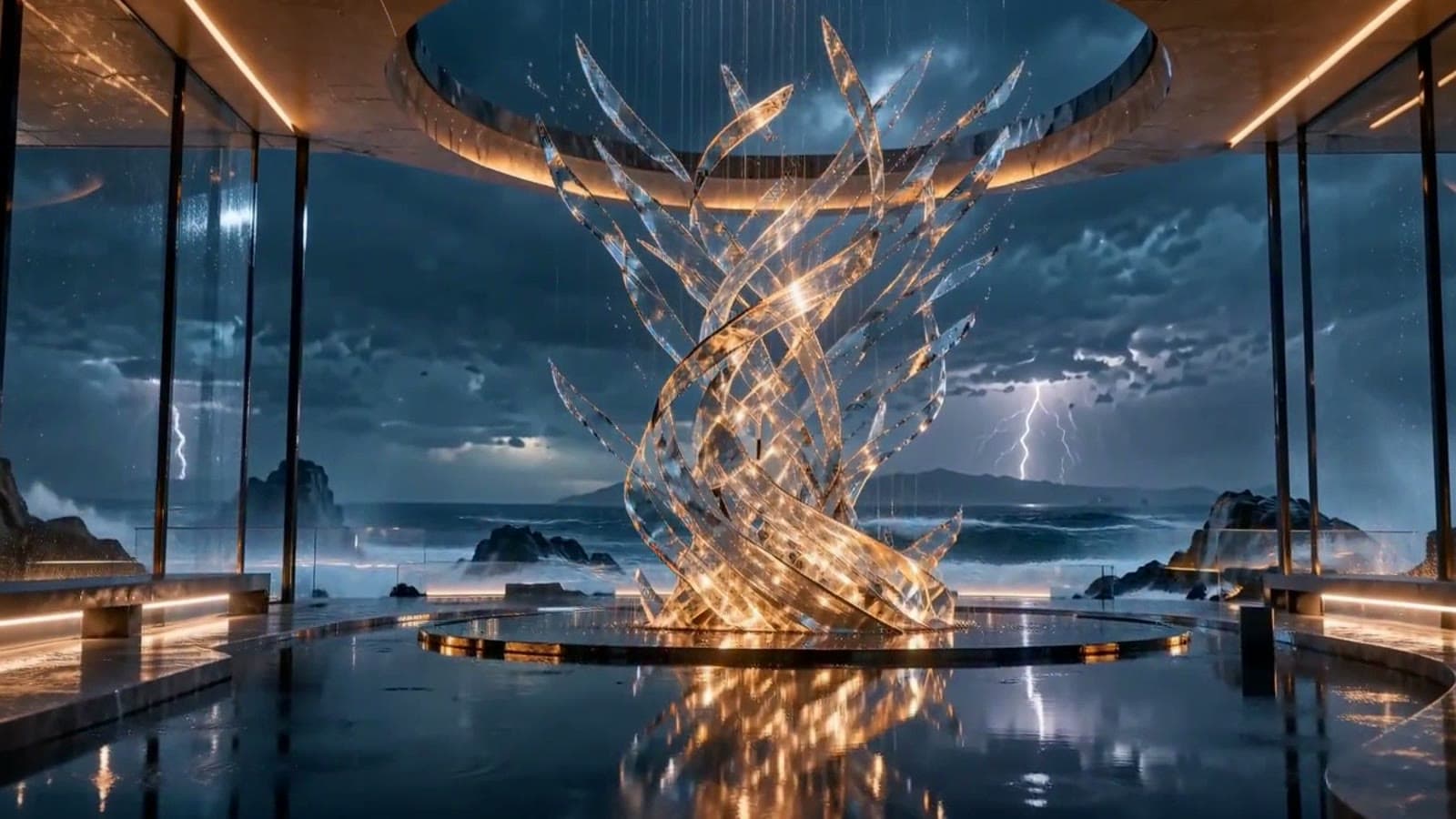
MiniMax H3 Max Image-to-Video Prompts: Copy-Paste Recipes With Real Outputs
MiniMax H3 Max animates a still frame into a 5–15s clip with a synced ambient soundtrack — you anchor the result with a last frame and, optionally, pin the opening with a first frame. Three copy-paste prompt recipes, each with the exact input frame(s) and the real rendered clip: a cinematic hero reveal, an atmospheric push-in, and a first→last-frame bloom. On the image-to-video route, last_frame_image is required (your ending shot) and first_frame_image is optional — and the frame, not an aspect_ratio field, sets the video's shape. Pricing is per requested second by resolution: 480P $0.072/s, 768P $0.115/s, 1080P $0.229/s — a 5-second 480P clip is about $0.36. The prompt pattern that works: one camera move + small subject motions + a specific ambient-audio line + a short negative list.
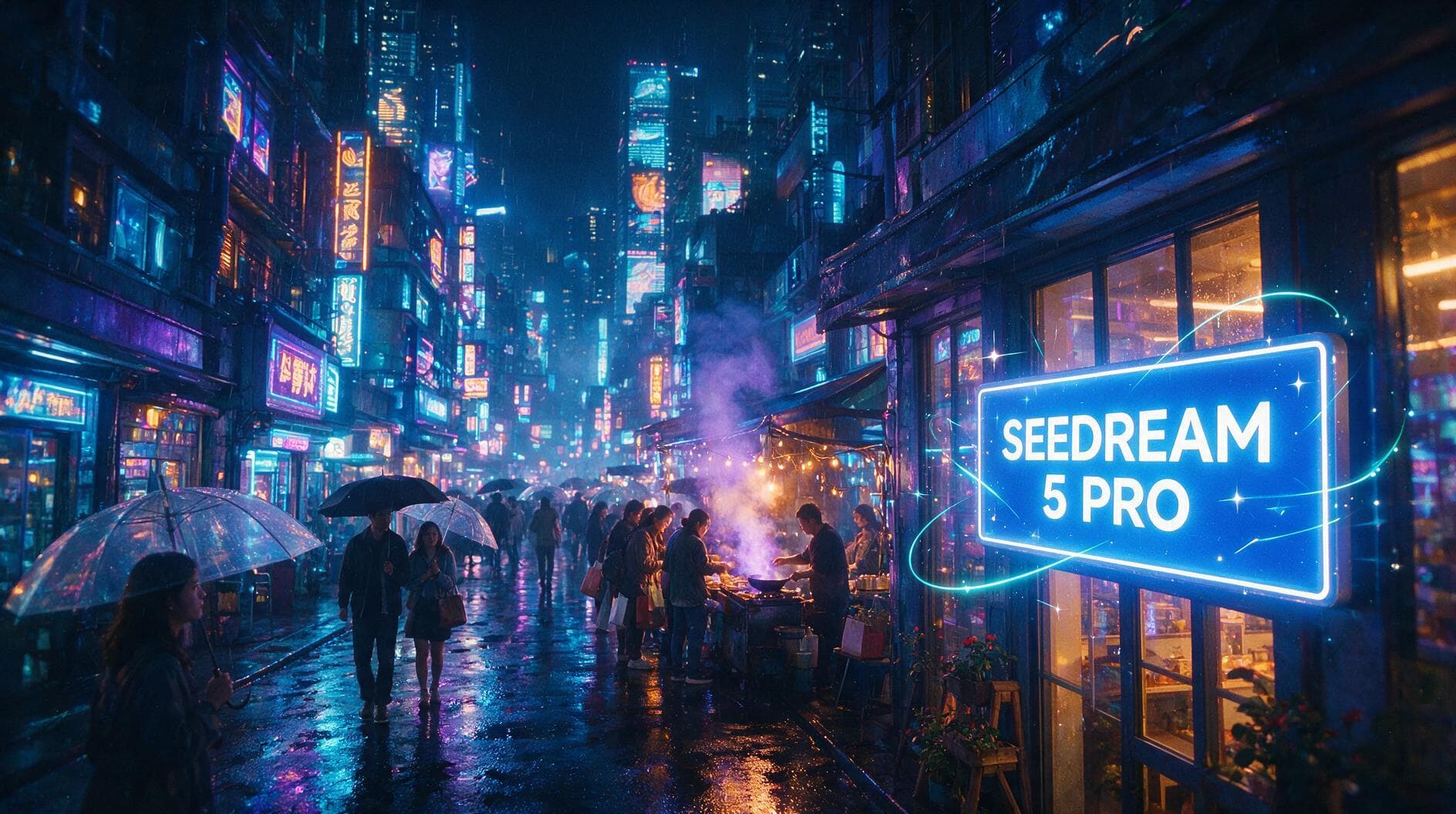
Seedream 5.0 Pro API Pricing in 2026: Cost Breakdown and How to Access It
Seedream 5.0 Pro bills per image on HiAPI — no subscription and no per-token math. Text-to-image is $0.05 at 1K and $0.10 at 2K; image editing (image-to-image) is $0.06 at 1K and $0.10 at 2K. Only the resolution tier changes the price — there is one flagship quality level, not a cheap-vs-premium split. What you pay for is dependable in-image text rendering and flagship detail, shown in the real render below. Pay-as-you-go, free starter credits, failed tasks are not billed, and one API key calls it via the async /v1/tasks endpoint.

FLUX.2 API Pricing in 2026: Cost Breakdown and How to Access It
FLUX.2 on HiAPI bills per image across three tiers: Pro (flagship), klein 9B (balanced), and klein 4B (cheapest). Text-to-image runs from $0.00036 (klein 4B, 0.25 MP) to $0.125 (Pro, 4 MP) — a 300×-plus range. Pro and klein 4B scale price by resolution; klein 9B is a flat $0.00858. A real same-prompt test: Pro rendered in-image text correctly while klein 4B misspelled it — that is what the extra cost buys. Pay-as-you-go, no minimum, failed tasks aren't billed, and one API key covers every tier via the async /v1/tasks endpoint.

Best Kling AI Alternatives in 2026: Video Generation APIs Compared
Most people searching for a Kling alternative want a different creative profile, pay-as-you-go instead of subscriptions, or one integration for several video models — not a Kling replacement. The strongest alternatives in 2026 are Veo 3.1 (quality and audio), Seedance 2.5 (clips up to 30s), Hailuo 2.3 (budget volume), and Wan 2.7 (cheapest per second). HiAPI runs Kling 3.0 and all four alternatives through one key and the same /v1/tasks API, so you can benchmark them on the same prompt. Honest caveat: HiAPI is not a cheaper way to run Kling — at matched settings it's about Kling's own rate; the value is coverage, not a discount.

FLUX.3 Image API Pricing: $0.048 per Image at 1K
FLUX.3 Image bills per image across five tiers. 1K is the default at $0.048; $10 buys about 208. Up to 10 reference images at no extra cost.

Muse Image vs Nano Banana 2.1: Which Should You Use?
Muse Image: lowest list price for large images. NB 2.1: 4K, extreme ratios, one model id. Until Nov 8, NB 2.1 at 1K costs less.

FLUX.3 Image vs FLUX.2: Which Should You Use?
FLUX.3 Image: one id, 10 references, 4K, strict exclusions. FLUX.2: fixed seed, exact sizes, cheaper edits. Both run on /v1/tasks; switching changes a few fields.

How to Use Muse Image API: First Image in 5 Minutes
Two entries: text-to-image and image-to-image. $0.015 per image, about 2.5 MP. There is no resolution field.
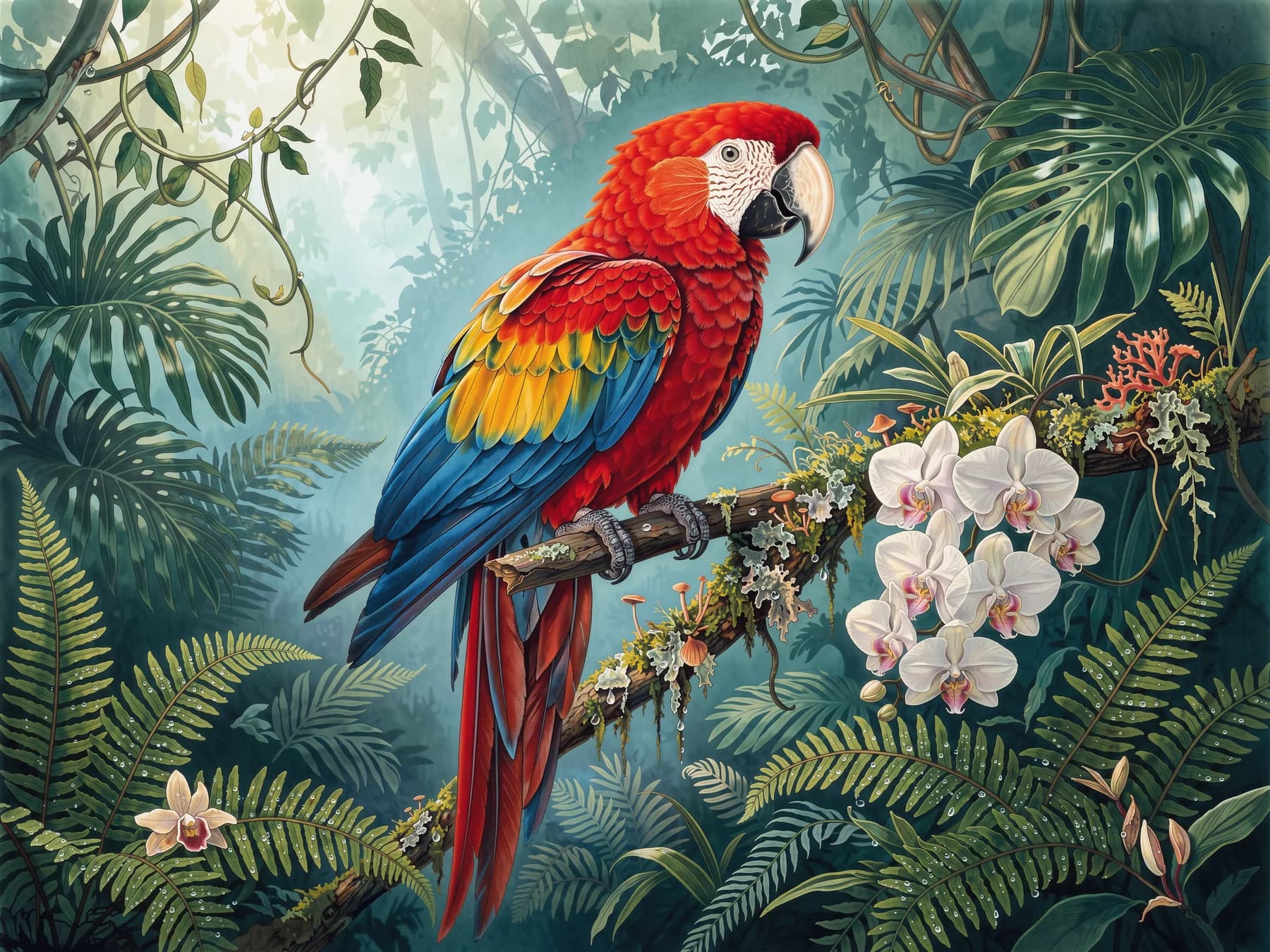
FLUX.3 Image Prompts: 6 Ready-to-Use Templates with Real Outputs
Six scenarios, each with a real output. Each link opens the model page with the prompt filled in. Covers 768 to 4K and single to three-image edits.
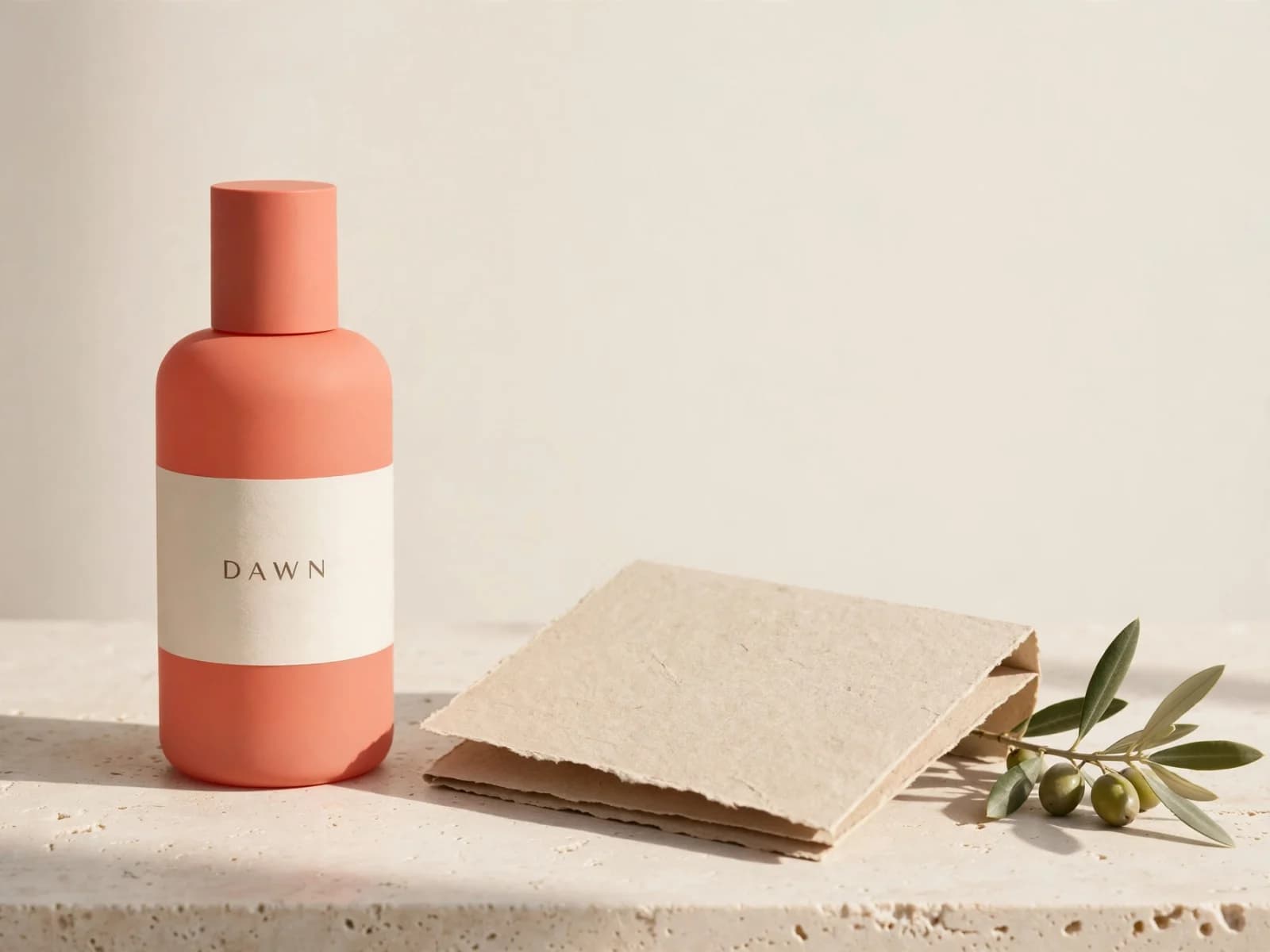
Muse Image API Pricing: $0.015 per Image
Text-to-image and editing are both $0.015 per image. Fixed size, about 2.5 MP; no tiers. $10 buys about 666 images.
Build with the models you just read about.
Compare image, video, and audio models, then use the same API workflow in production.